
The English Version Scrolling Down This Post
Mientras Sotheby’s y Christie’s se desploman en cifras de ventas y los días VIP de las ferias se vacían, el mundo del arte empieza a recordar algo incómodo: sin precios astronómicos, solo queda… arte (o basura, literalmente, materiales vendidos caros que terminan en la basura). Y su valor simbólico, a diferencia del financiero, no se puede forzar ni inflar.
Mientras Sotheby’s y Christie’s se desploman en cifras de ventas y los días VIP de las ferias se vacían, el mundo del arte empieza a recordar algo incómodo: sin precios astronómicos, solo queda… arte.
Tweet
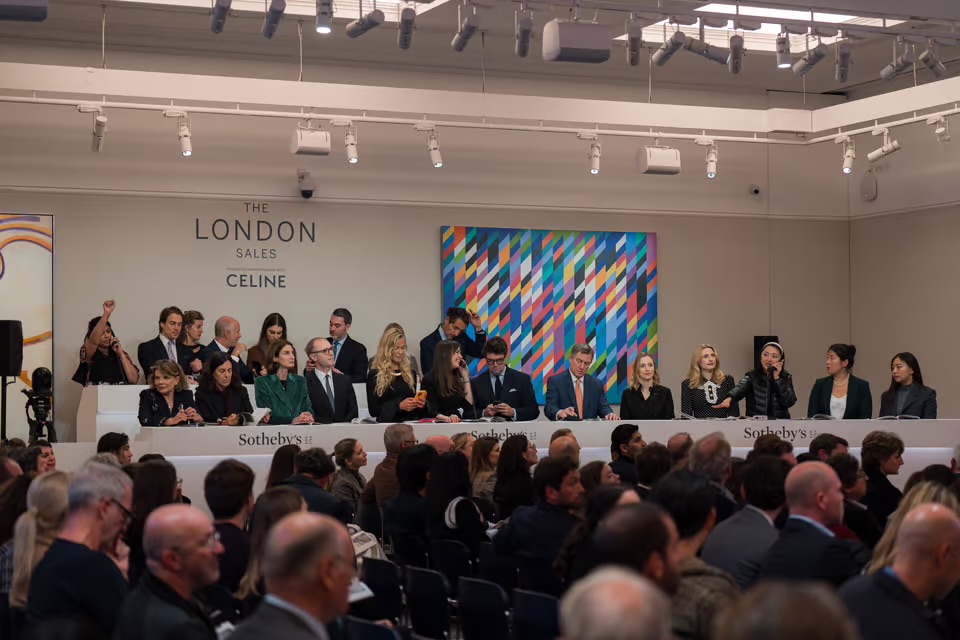
Que el sistema internacional del arte estaba inflado más allá de sus capacidades reales no era ningún secreto para nadie que pensara mínimamente fuera de la lógica de feria, galería o subasta. Pero ahora los datos lo comienzan a confirmar con la brutalidad de lo obvio: el mercado global del arte cayó un 12% en 2024, pero esa cifra es apenas el barniz superficial. Si se mira debajo, se ve que las ventas de obras superiores a los 10 millones de dólares —el núcleo del arte como activo financiero— cayeron entre un 45% y un 50% y las de obras superiores a 1 millón, un 38%.
En el mercado global de arte, las ventas de obras superiores a los 10 millones de dólares —el núcleo del arte como activo financiero— cayeron entre un 45% y un 50% y las de obras superiores a 1 millón, un 38%.
Tweet
Se terminó la venta de arte, llamado, ‘corporativo’. Las piezas ‘trofeo’ que inflaron las carreras de gente como Jeff Koons, Damien Hirst o Andy Warhol. Se pinchó el globo. Esto significa que ya no es el mundo del arte un refugio de valor? Sotheby’s redujo su volumen de ventas en un 23%; Christie’s un 6%. Una clave para entender este fenómeno es China, conocido como el gran mercado emergente, las subastas se desplomaron un 63%. La evidencia es abrumadora: el modelo financiero de validación artística está colapsando, en serio.
Una clave para entender este fenómeno es China, conocido como el gran mercado emergente, las subastas se desplomaron un 63%. La evidencia es abrumadora: el modelo financiero de validación artística está colapsando, en serio.
Tweet
Sin embargo, algo interesante ocurre ya que la caída no ocurre, como podría suponerse que ocurriera, en el arte histórico o de ‘grandes maestros’ que habían estado fuertemente depreciados sino en el sector que el sistema corporativo del arte internacional infló de manera artificial: el ‘arte ultracontemporáneo’ —esa producción hecha para alimentar ferias, Instagram y portfolios de inversion sufrieron una caída del 43%. La generación de artistas impulsada por estrategias de mercado, diseñada más para ser objeto de flipping que para ser pensada, se desploma junto con la burbuja que la creó.
En promedio, la producción hecha para alimentar ferias, Instagram y portfolios de inversion sufrieron una caída del 43%.
Tweet
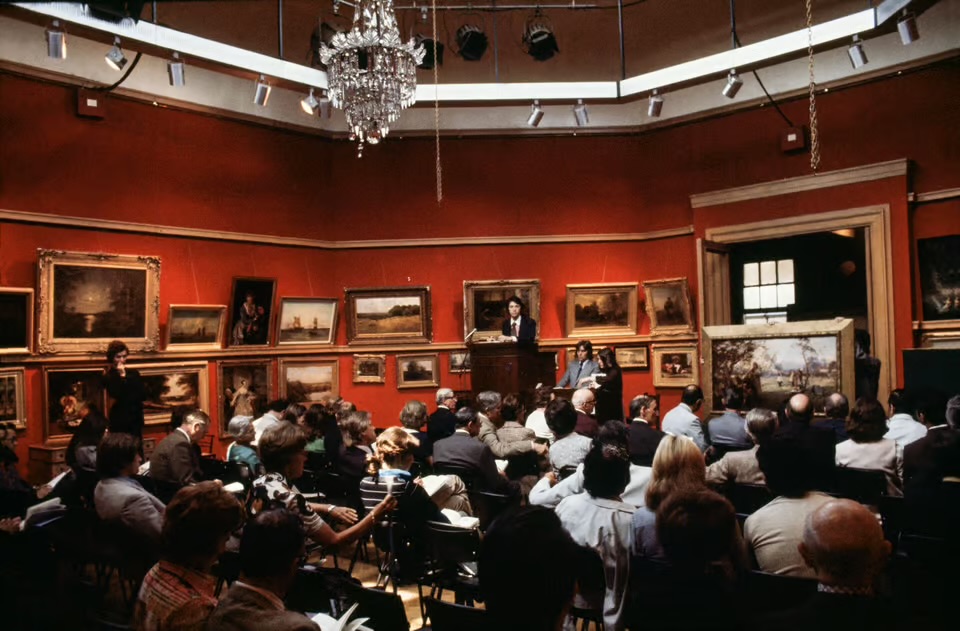
Cinco artistas fabricados para el mercado que ahora caen junto con él
Desde el 2015, ciertos nombres emergieron por su adaptabilidad al modelo de feria, subasta y flipping financiero. Hoy, con el colapso del mercado del arte, sus precios también se desploman. No son víctimas: son síntomas de algo mayor. Tomemos algunos ejemplos.
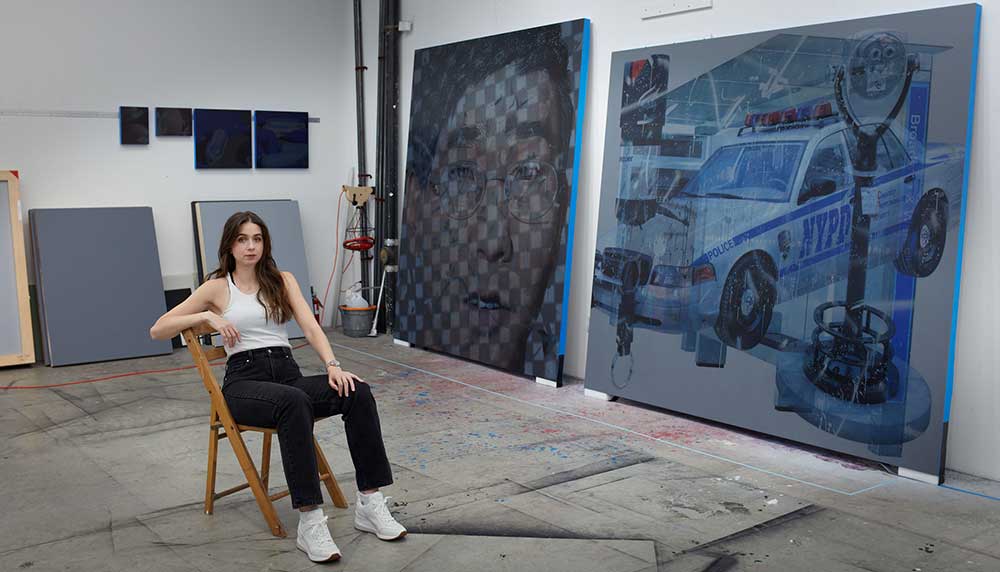
1. Avery Singer
Ícono del arte digitalizado y manufacturado para subastas rápidas. Obras que en 2021 se vendían por 1,5 millones de dólares hoy se rematan con caídas de hasta el 40%. Fue uno de los estandartes de la estetización Instagram-friendly de las grandes ferias.
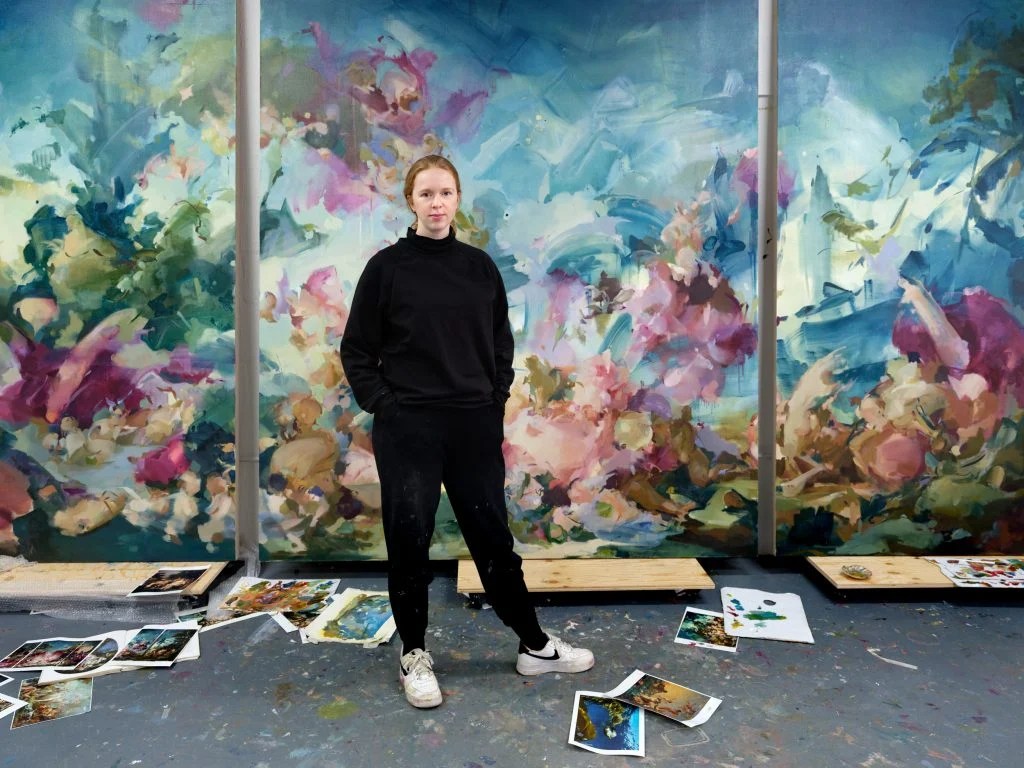
2. Flora Yukhnovich
La “rococó millennial” que Sotheby’s vendía como nueva Marie Antoinette. En 2021 superaba los 3 millones de dólares por obra. En 2024, muchos lotes se venden por menos de la mitad o directamente no alcanzan precio de reserva.
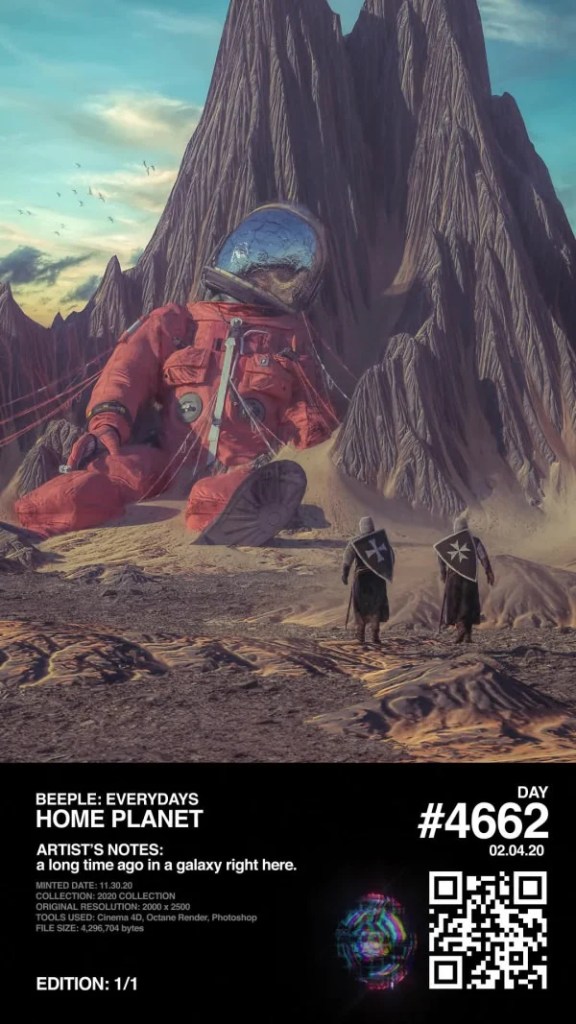
3. Beeple (Mike Winkelmann)
El símbolo perfecto de la burbuja NFT: 69 millones de dólares por un jpeg en Christie’s (2021). Hoy, su mercado se evaporó: su “blue chip” digital perdió entre el 70% y 90% de su valor en reventa.
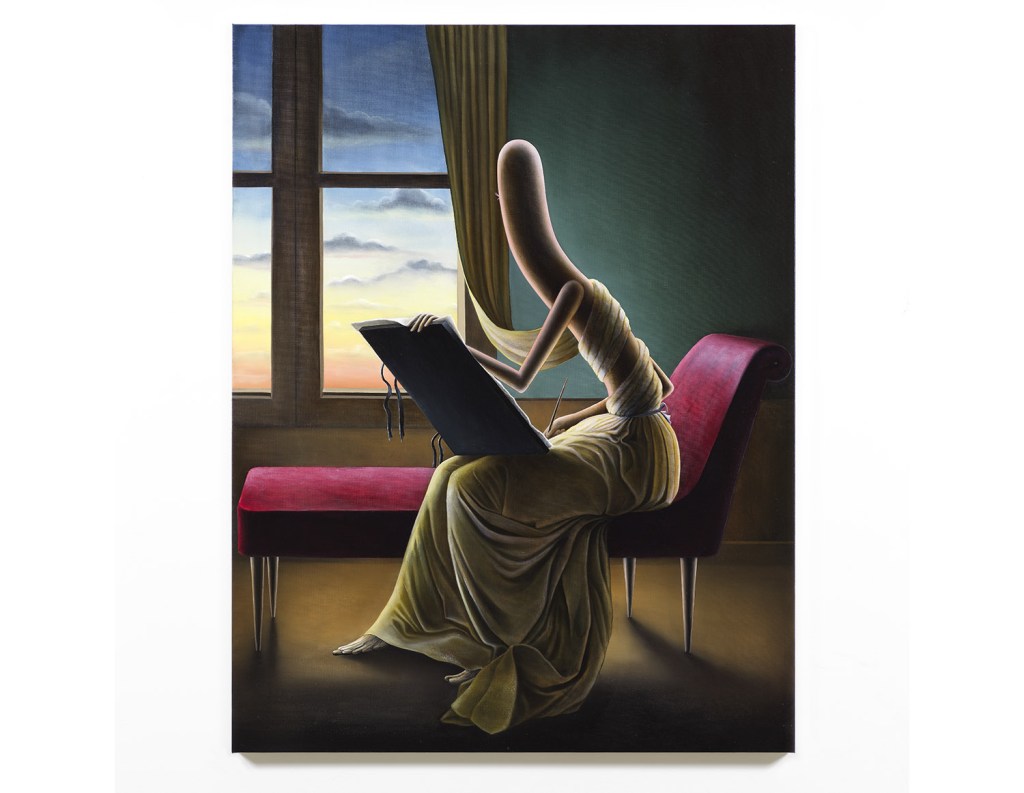
4. Emily Mae Smith
Esta es otra creación de la economía visual fácil de digerir: referencias pop y feminismo ilustrativo. Sus obras llegaron a cotizar en los 800.000 dólares. Actualmente, sufre caídas estrepitosas en el mercado secundario.
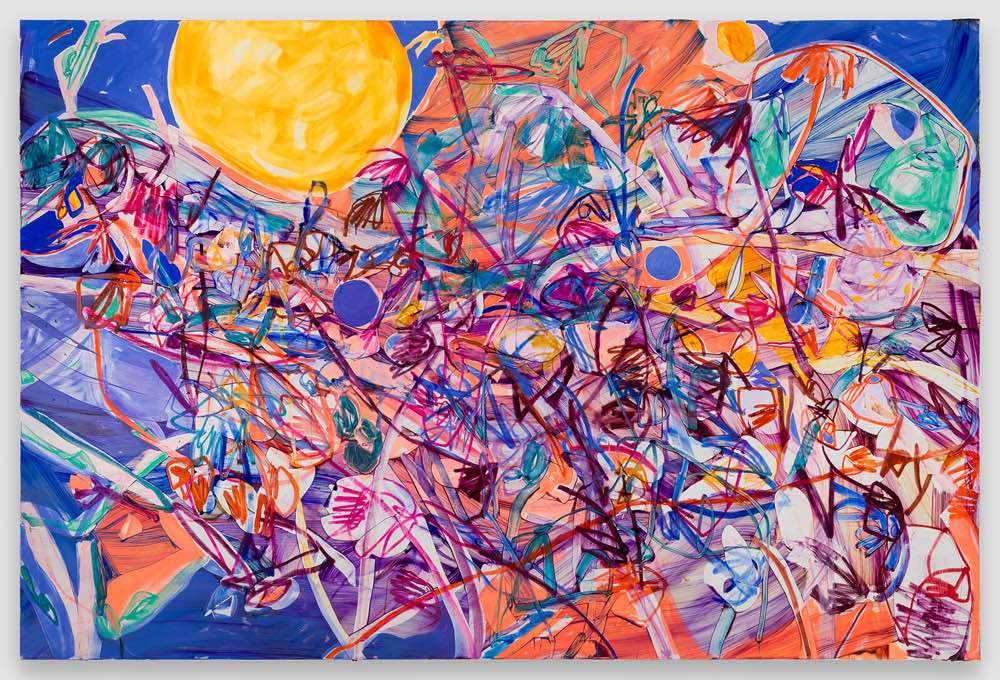
5. Jadé Fadojutimi
Celebrada como la nueva voz lírica de la pintura abstracta joven. Entre 2020 y 2022 sus precios explotaron. Hoy, varias de sus obras quedan sin vender o son rematadas muy por debajo de estimaciones.
Cuando el mercado ya no puede sostener el artificio, los nombres que servían para la rotación de capital quedan expuestos. Mientras tanto, un fenómeno paralelo ocurre: las obras de menos de 5.000 dólares aumentan en volumen y valor. Esto no significa que la cultura se democratiza, como quisieran creer algunos optimistas, sino que el coleccionismo se fragmenta y precariza. Hay más transacciones, sí, pero más pequeñas, más anónimas, más inestables. El arte contemporáneo, que hasta hace poco podía justificar su existencia en base a su potencial de reventa, ahora enfrenta el desafío de tener que sostenerse sin la cobertura del mercado. Esto no va a impactar al mercado argentino aunque los precios internos van a caer a la mitad en el próximo año.
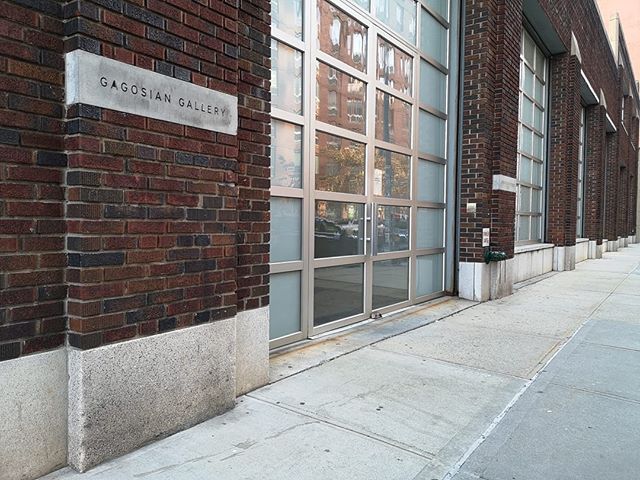
El modelo Basel/Frieze —basado en la espectacularización y la globalización de públicos compradores— hoy resulta insostenible para buena parte de las galerías medianas, mientras los mega conglomerados como Gagosian o Hauser & Wirth absorben recursos pero no renuevan y esto ya es muy evidente. La ultima muestra de Tracy Emin fue la prueba. No le interesa más a nadie, en términos artísticos y en términos financieros, al retirarse China y congelarse los capitales rusos, el golpe que ocurrió hace año y medio, ahora es realidad. Esta fue la crónica de una muerte anunciada por LANP en ese momento.
Gagosian o Hauser & Wirth absorben recursos pero no renuevan y esto ya es muy evidente. La ultima muestra de Tracy Emin fue la prueba.
Tweet
Las ferias sobreviven, pero cada vez con más stands vacíos, menos ventas efectivas y curadurías menos relevantes. Quizá lo más interesante —y menos comentado— de este colapso es que se está produciendo un desacople brutal entre legitimidad cultural y legitimidad de mercado: esto es excelente. Durante los últimos treinta años, un artista que alcanzaba éxito crítico terminaba incorporándose (casi automáticamente) al circuito de subastas, ferias y premios. Hoy, esa automatización se rompe. Empiezan a aparecer artistas relevantes que no encuentran comprador, y coleccionistas que compran piezas irrelevantes para mantener a flote sus propios portfolios. La grieta entre valor simbólico y valor financiero nunca fue tan grande como ahora y los riesgos son aún mayores. En este contexto, resulta crucial preguntarse: ¿qué pasa con el arte una vez que deja de ser mercancía rentable? ¿Qué modelos alternativos de legitimidad surgirán? ¿Qué instituciones, críticas o narrativas están preparadas para sobrevivir a este ajuste?
El derrumbe del mercado no es el fin del arte contemporáneo. Es el fin de una forma específica de su circulación, su valorización y su mitología o, mejor dicho, su mitologización
Tweet
El derrumbe del mercado no es el fin del arte contemporáneo. Es el fin de una forma específica de su circulación, su valorización y su mitología o, mejor dicho, su mitologización. Se desmercantiliza la mirada para pensar el arte fuera del fetichismo de precios, y para devolverle, quizás, su función más incómoda: la de actuar como herejía antes que como inversión. Se acaba el arte cómodo y este va a ser un gran cambio para el arte joven argentino.
Se acaba el arte cómodo y este va a ser un gran cambio para el arte joven argentino.
Tweet
Sin millones de dólares que lo protejan, el arte contemporáneo vuelve a su lugar más temido: el de la incomodidad, el de la pregunta que no se puede esquivar. LANP te avisó. Ahora sí empieza la verdadera discusión.
© Rodrigo Cañete 2025. Todos los derechos reservados.
No More VIPs: Only Brutal Survival in the Art World
As Sotheby’s and Christie’s watch their sales figures collapse and VIP days at art fairs empty out, the art world is being forced to remember something deeply uncomfortable: without astronomical prices, all that’s left is the art itself. And symbolic value, unlike financial value, cannot be manufactured or inflated.
As Sotheby’s and Christie’s watch their sales figures collapse and VIP days at art fairs empty out, the art world is being forced to remember something deeply uncomfortable: without astronomical prices
Tweet
That the international art system was inflated beyond its real capacity was no secret to anyone thinking even slightly outside the fair-gallery-auction circuit. But now, the data confirms it with the brutality of the obvious: the global art market dropped by 12% in 2024, yet that number barely scratches the surface. Dig deeper, and you’ll see that sales of works priced over $10 million—the heart of art as a financial asset—fell between 45% and 50%, while sales over $1 million declined by 38%. The era of corporate art sales is over.
Dig deeper, and you’ll see that sales of works priced over $10 million—the heart of art as a financial asset—fell between 45% and 50%, while sales over $1 million declined by 38%. The era of corporate art sales is over.
Tweet
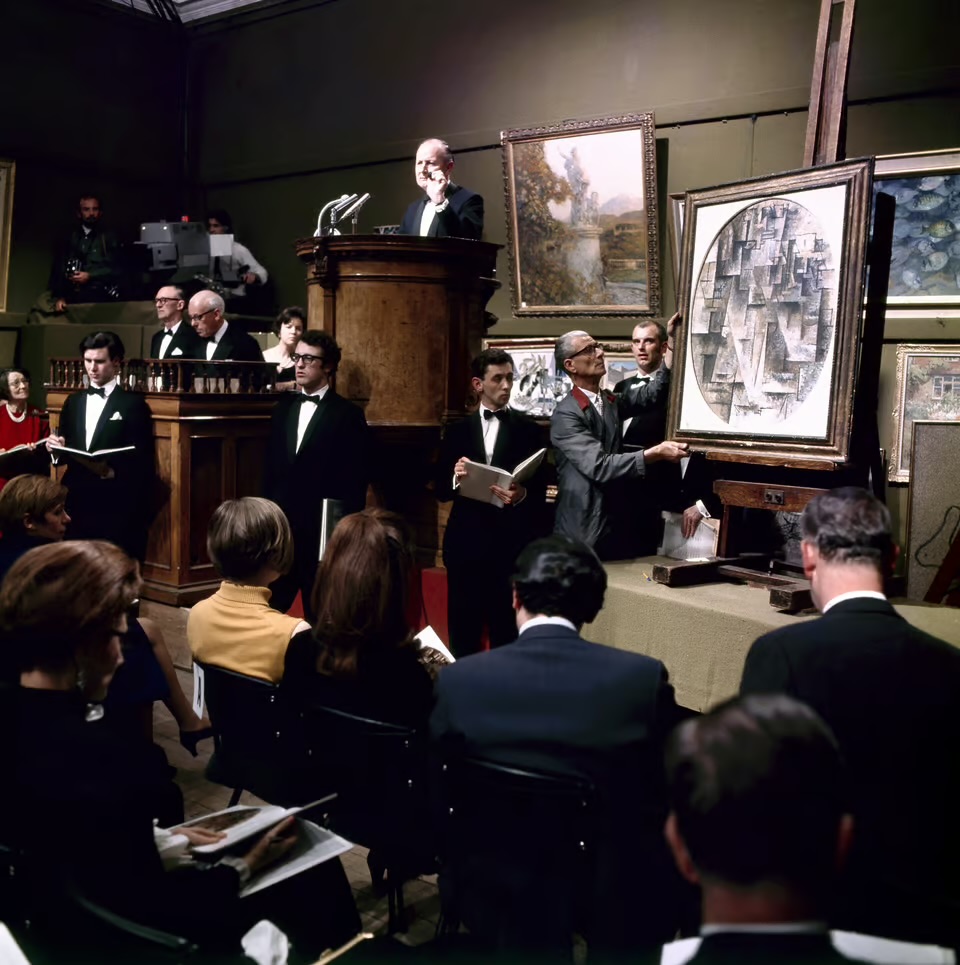
The “trophy” pieces that inflated the careers of figures like Jeff Koons, Damien Hirst, or Andy Warhol have finally seen their balloon burst. Does this mean that the art world is no longer a safe haven for value? Sotheby’s reported a 23% drop in sales volume; Christie’s fell by 6%. One key indicator: in China, once touted as the great emerging market, auction sales plunged by 63%.The evidence is overwhelming: the financial model of artistic validation is collapsing—seriously.
One key indicator: in China, once touted as the great emerging market, auction sales plunged by 63%.The evidence is overwhelming: the financial model of artistic validation is collapsing—seriously.
Tweet
However, something even more revealing is happening: the collapse is not occurring in the historic or Old Masters sector (which had been heavily devalued), but precisely in the artificially inflated sector crafted by the corporate art world: ultracontemporary art—production made to feed the fair circuit, Instagram, and investment portfolios—has plummeted by 43%. The generation of artists propelled by market strategies, designed more to be flipped than to be thought about, is now crashing along with the bubble that created it.
Five Market-Fabricated Artists Now Falling with It
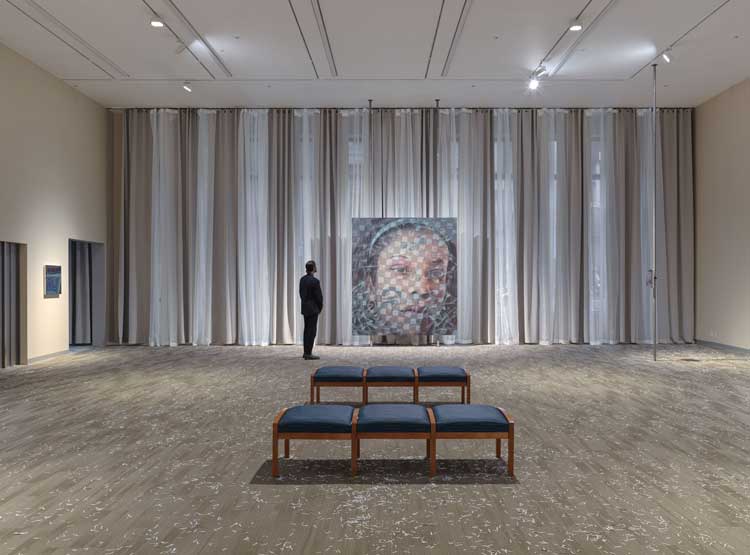
Since 2015, certain names emerged not because of cultural necessity but because of their perfect adaptability to the fair, auction, and financial flipping model. Today, as the art market collapses, their prices are also crashing. They are not victims: they are symptoms.
1. Avery Singer
A digital art icon manufactured for rapid auction turnover. Works that sold for $1.5 million in 2021 are now reselling at losses of up to 40%. A poster child for the Instagram-friendly aesthetic of the major fairs.
2. Flora Yukhnovich
The “millennial Rococo” painter hyped by Sotheby’s as the new Marie Antoinette. In 2021 her works exceeded $3 million each. By 2024, many lots sell for less than half, or fail to meet their reserve price altogether.
3. Beeple (Mike Winkelmann)
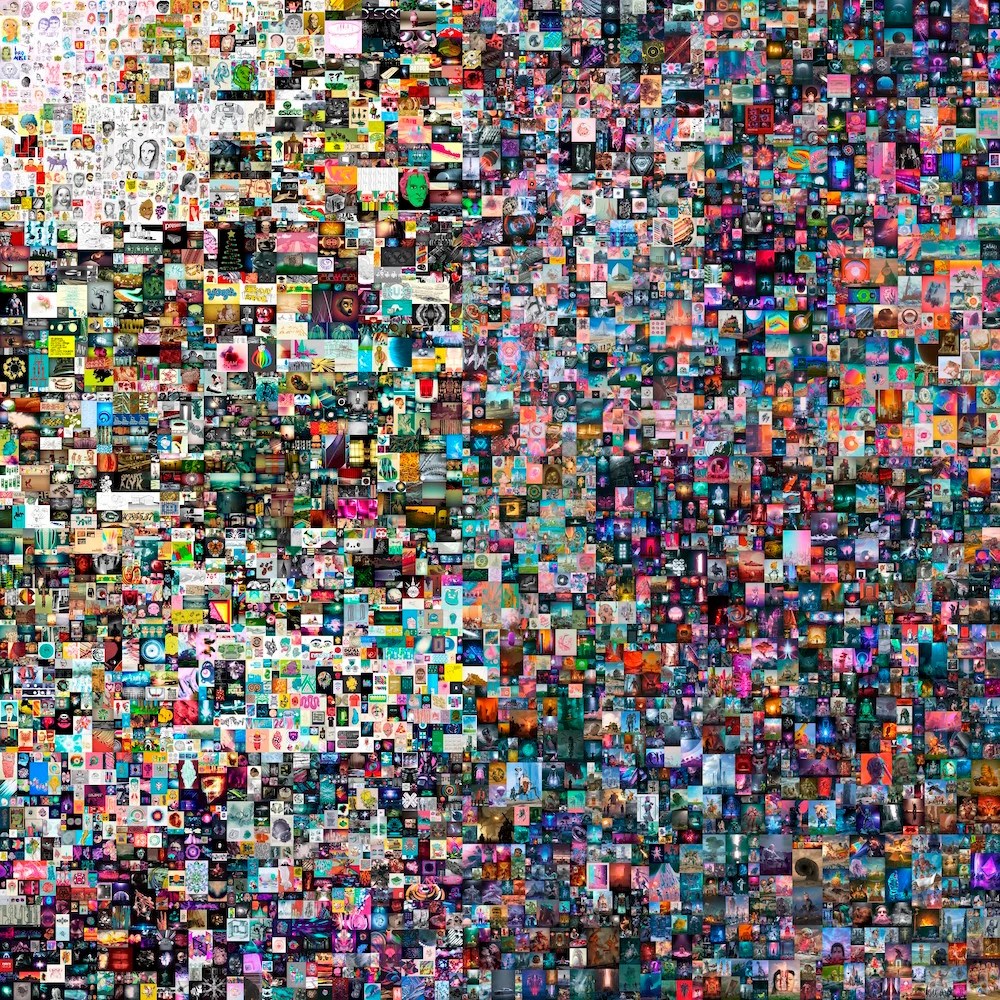
The perfect symbol of the NFT bubble: $69 million for a JPEG sold at Christie’s in 2021. Today, his so-called “blue chip” NFTs have lost between 70% and 90% of their resale value.
4. Emily Mae Smith
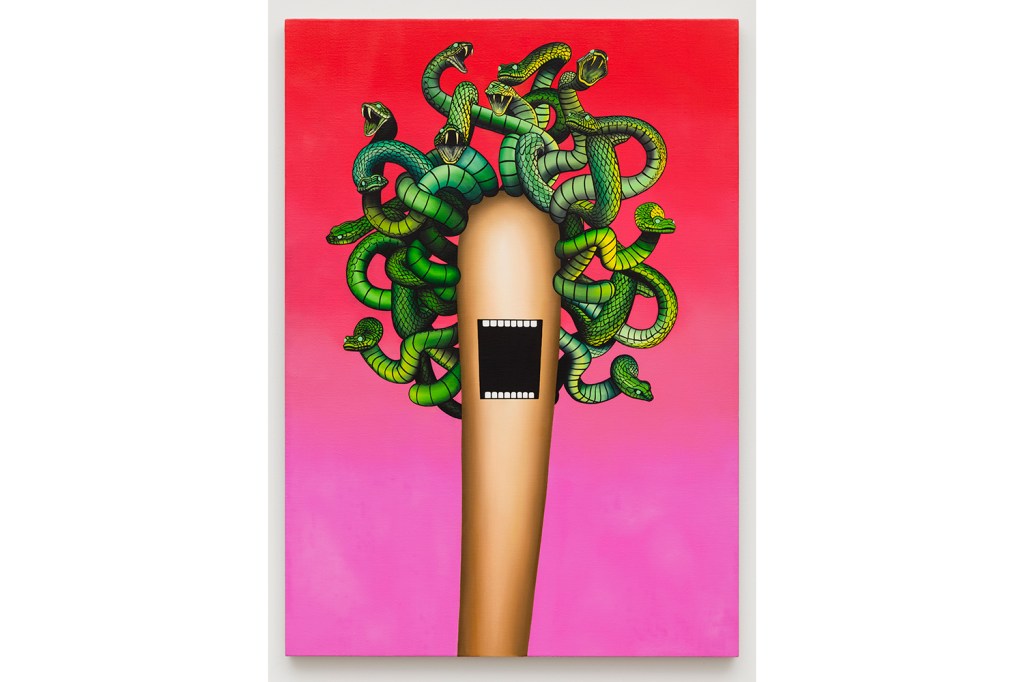
Another product of the easy-to-digest visual economy: pop references combined with illustrative feminism. Her works once reached $800,000. Today, her secondary market prices are collapsing.
5. Jadé Fadojutimi
Once hailed as the lyrical new voice of young abstract painting. Between 2020 and 2022 her prices exploded. Now, several of her works remain unsold or are hammered down far below their estimates.
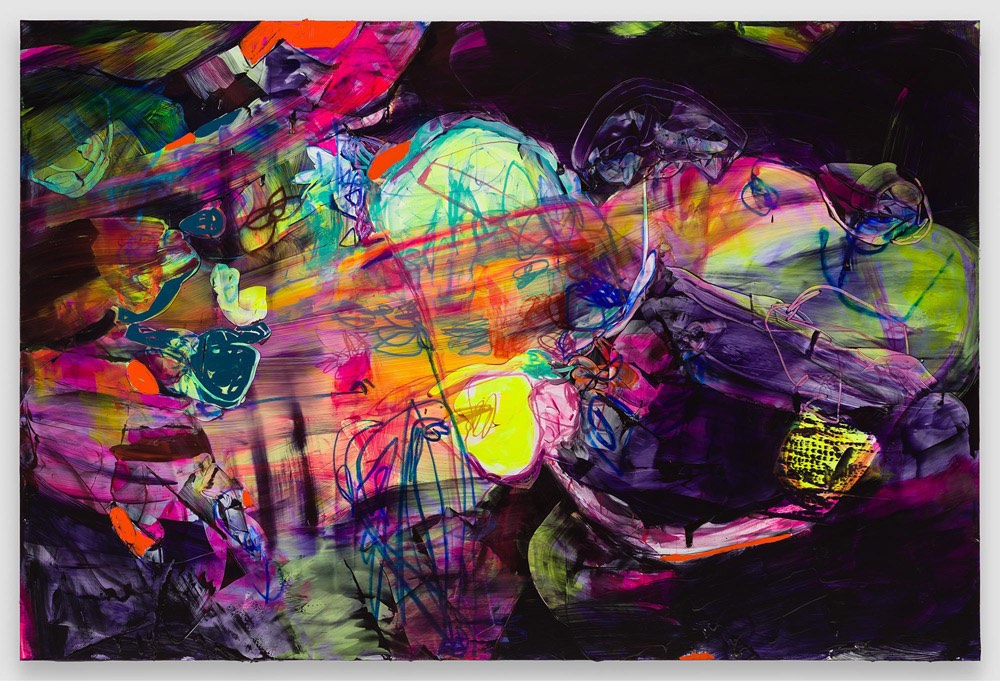
When the market can no longer sustain the artifice, the names once used to rotate capital are exposed. Meanwhile, a parallel phenomenon unfolds: sales of artworks priced under $5,000 are increasing in volume and value. This does not mean that culture is being democratized, as some optimists would like to believe; it simply means that collecting is becoming fragmented and precarious. There are more transactions, yes, but they are smaller, more anonymous, and more unstable.
Contemporary art, which until recently justified its existence through its resale potential, now faces the challenge of surviving without the safety net of the market. (For Argentina: this shift will not fundamentally impact the local market structure, but internal prices are expected to fall by at least half over the next year.)
Contemporary art, which until recently justified its existence through its resale potential, now faces the challenge of surviving without the safety net of the market.
Tweet
The Basel/Frieze model—based on spectacle and the globalization of wealthy audiences—has become unsustainable for most mid-sized galleries, while megaconglomerates like Gagosian and Hauser & Wirth continue to absorb resources without producing any symbolic renewal. This has become painfully obvious.
The last Tracey Emin show was the perfect example: it drew no serious interest, neither artistic nor financial. With China pulling back and Russian capital frozen, the blow that began eighteen months ago has now materialized.
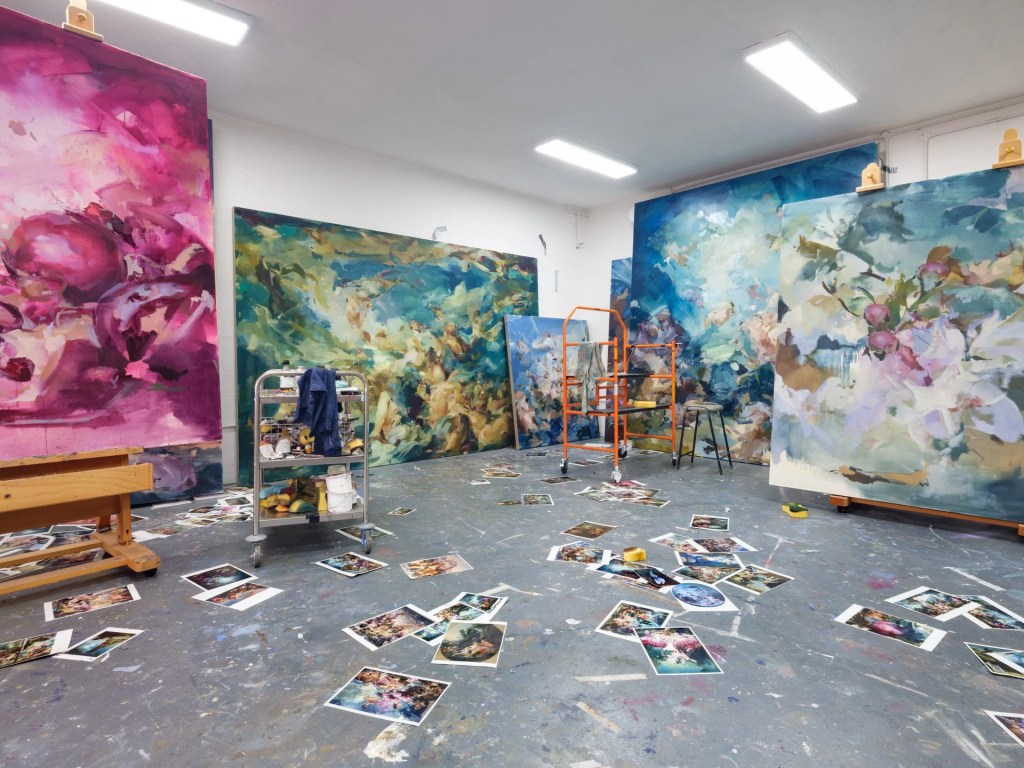
With China pulling back and Russian capital frozen, the blow that began eighteen months ago has now materialized.
Tweet
This was the chronicle of a death foretold by Loveartnotpeople at that time. Fairs still survive, but with more empty booths, fewer effective sales, and increasingly irrelevant curatorial efforts. Perhaps the most interesting—and least discussed—aspect of this collapse is the brutal decoupling between cultural legitimacy and market legitimacy.
And that, paradoxically, is excellent. For the last thirty years, a critically successful artist would almost automatically enter the circuit of auctions, fairs, and awards. Today, that automation is breaking down. Relevant artists are appearing who cannot find buyers, while collectors continue to purchase irrelevant works just to prop up their investment portfolios. The gap between symbolic value and financial value has never been greater, and the risks are even higher.
In this context, it is crucial to ask: what happens to art once it stops being a profitable commodity? What alternative models of legitimacy will emerge? What institutions, critics, and narratives are prepared to survive this reset? The collapse of the market is not the end of contemporary art. It is the end of a specific form of its circulation, its valorization, and its mythology—or better said, its mythologization. It opens the door to decommodifying the gaze, to rethinking art outside the fetishism of prices, and to restoring, perhaps, its most uncomfortable function: to act as a disruptive force, not as an investment vehicle.
Tweet
In this context, it is crucial to ask: what happens to art once it stops being a profitable commodity? What alternative models of legitimacy will emerge?
The era of comfortable art is over, and this will bring massive change to the young Argentine art scene as well. Without millions of dollars to shield it, contemporary art returns to its most feared place: The space of discomfort, the space of the unavoidable question. Loveartnotpeople warned you. Now the real conversation begins.
© Rodrigo Cañete 2025. All rights reserved.


 Loveartnotpeople.blog
Deja una respuesta