
Scroll Down for the English Version
La política argentina entró en una fase terminal de desvitalización. Solo pantallas, algoritmos, aislamiento. En ese escenario, Adorni gana con remeras que dicen “Fin”.
Tweet
La victoria de Adorni en la Ciudad de Buenos Aires no es una anomalía ni una rareza local: es el síntoma más claro de que el sistema político argentino está roto. Pero no porque haya ganado la derecha, sino porque la mayoría decidió no participar. Lo que se impuso no fue un proyecto, ni una figura, ni una idea. Fue el vacío. El verdadero triunfo no fue de Milei ni de Adorni: fue de la abstención como gesto colectivo sin sujeto. Y eso debería encender todas las alarmas.

Lo que la elección se impuso no fue un proyecto, ni una figura, ni una idea. Fue el vacío. El verdadero triunfo no fue de Milei ni de Adorni: fue de la abstención como gesto colectivo sin sujeto.
Tweet
Porque cuando la gente deja de votar, no está desobedeciendo. Está desvinculada. No está esperando ser interpelada. Está afuera del juego. La política, en ese momento, deja de ser conflicto, deja de ser representación, y se vuelve pura administración de ruinas. El parlamento, entonces, es teatro sin escena. Los candidatos, cuerpos sin audiencia. El Estado, un aparato que ya no organiza la vida, sino que la desintegra.
Cuando la gente deja de votar, no está desobedeciendo. Está desvinculada. La política, en ese momento se vuelve pura administración de ruinas.
Tweet
El kirchnerismo, mientras tanto, sigue atrapado en su archivo. Nombra un pueblo que ya no responde. Repite un deseo que ya no circula. Gestiona una memoria que ya no erotiza. El problema no es solo Milei. El problema es que del otro lado no hay nada. No busco interpretar un resultado electoral, sino diagnosticar una forma histórica de colapso político: la de un país que, sin siquiera declararlo, ha salido de la política. Y si algo puede volver a empezar, no será desde la representación ni desde el liderazgo, sino desde lo que quede vivo cuando el deseo vuelva a aparecer.
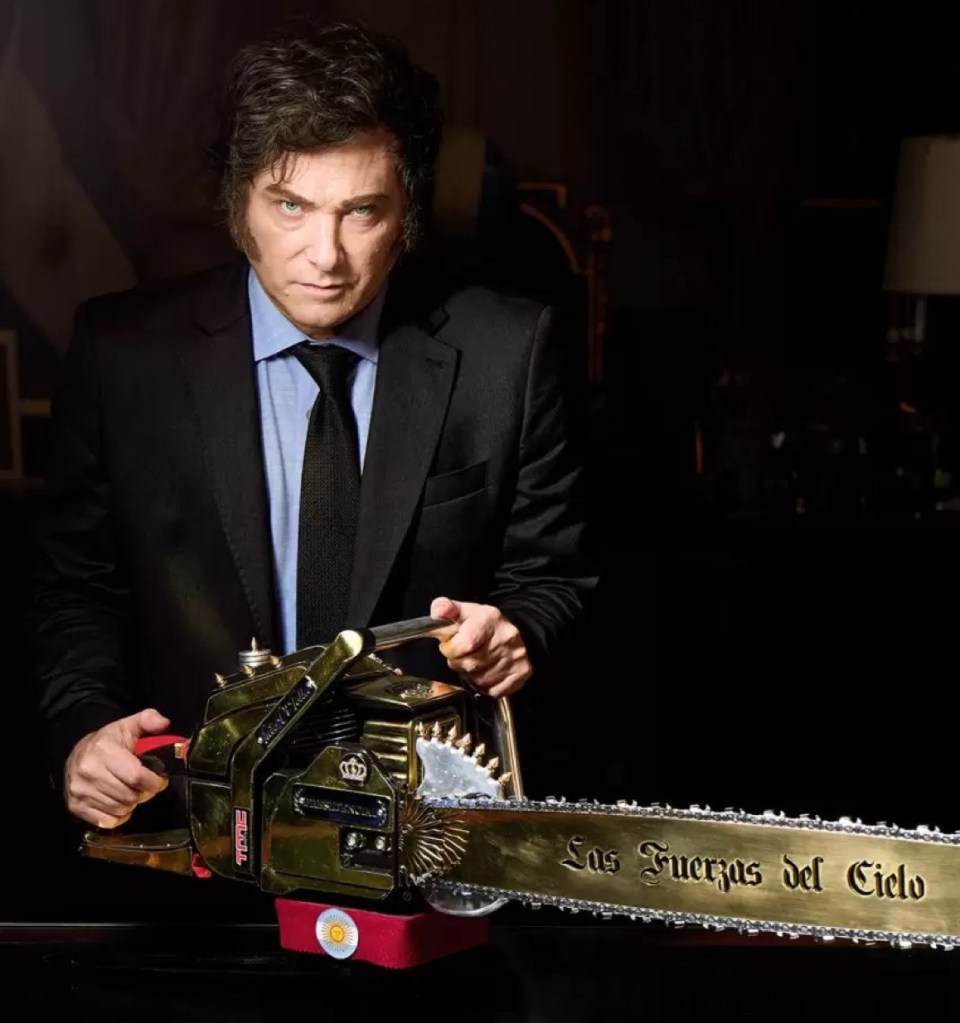
No busco interpretar un resultado electoral, sino diagnosticar una forma histórica de colapso político: la de un país que, sin siquiera declararlo, ha salido de la política.
Tweet
El gran triunfo de Milei fue la abstención
La victoria de Adorni no debe leerse como un éxito del oficialismo libertario, sino como un fracaso de todo el sistema político. El verdadero ganador fue el ausente: el votante que no fue. Pero esa ausencia no es estrategia ni resistencia. Es el síntoma de un sujeto que ya no se reconoce en ningún lenguaje político. Una abstención que no interrumpe nada, no denuncia nada, no construye nada. Es una retirada sin escena, sin discurso, sin tensión. Es la política convertida en silencio estructural.
El verdadero ganador fue el ausente. Esto no es estrategia ni resistencia. Es el síntoma de un sujeto que ya no se reconoce en ningún lenguaje político. Es la política convertida en silencio estructural.
Tweet
El síndrome Santoro: cuando el pueblo deja de aparecer
Roberto Navarro, referente del peronismo mediático, intentó explicar el resultado como una anomalía: “el que ganó fue el que no votó”. Pero lo que intenta salvar con esa frase es justamente lo que se ha roto: el lazo entre el pueblo y el movimiento que decía representar. El peronismo ya no convoca. No construye un sujeto. Administra una memoria. Y esa memoria, lejos de movilizar, se ha vuelto un rito de muerte. El “pueblo peronista” ya no aparece. No porque haya sido silenciado, sino porque dejó de desear.
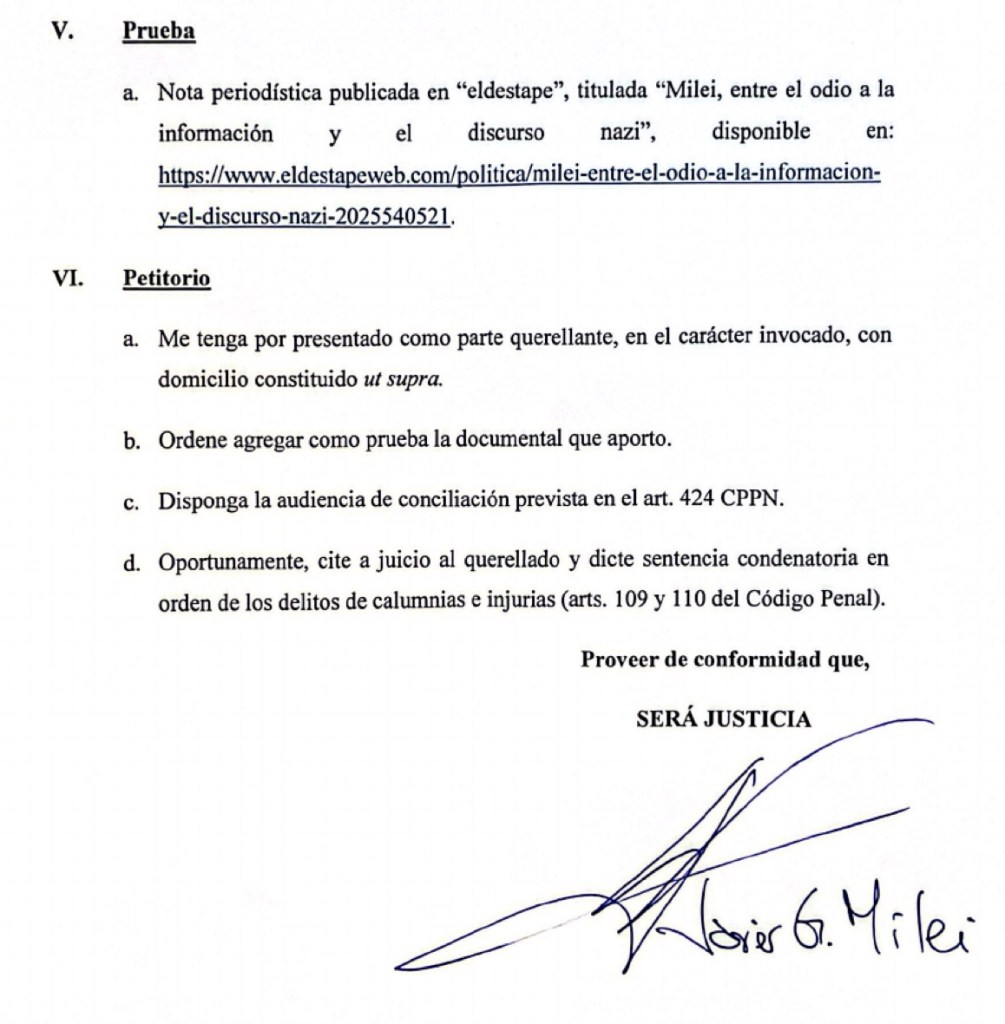
El peronismo ya no convoca. No construye un sujeto. Administra una memoria. Y esa memoria, lejos de movilizar, se ha vuelto un rito de muerte.
Tweet
Populismo sin deseo
Ya no se trata de una confrontación entre democracia parlamentaria y populismo. Toda la política se ha desplazado al terreno del populismo. Pero hay dos versiones: una que goza destruyendo (la de Milei), y otra que se sostiene en el recuerdo de haber gozado (la del kirchnerismo tardío). Mientras la primera excita con odio, fantasías de castigo y retórica anticasta, la segunda apenas repite consignas desconectadas del presente y haba del dolar como si estuviéramos con Kicillof en la UBA en Económicas.
Toda la política se ha desplazado al terreno del populismo. Pero hay dos versiones: una que goza destruyendo (la de Milei), y otra que se sostiene en el recuerdo de haber gozado (la del kirchnerismo tardío).
Tweet
La democracia institucional, sin un deseo que la sostenga, se convierte en teatro vacío. Ya no hay escena. Y si no hay escena, no hay interrupción posible. Solo queda la nostalgia.
La deriva sin cuerpo
La abstención no es una fuga creativa ni un rechazo con horizonte. Es una deriva sin dirección, sin mapa, sin comunidad. El votante ausente no está en huelga: está fuera de juego. No hay lenguaje compartido, no hay vínculo afectivo, no hay inscripción. Lo que vemos no es estrategia, es colapso.
Esta desvinculación no fue provocada por la derecha: fue cultivada por una izquierda que supo erotizar la política en su momento, pero que hoy no ofrece ni cuerpo ni escenario. Todo se ha vuelto retórica, consigna. El deseo, que antes organizaba el vínculo político, hoy no encuentra salida. Y donde no hay deseo, solo hay gestión del cansancio.
El problema no es la derecha: es el agotamiento
Lo más interesante es que el peronismo supo pensar ciertas formas de identidad política como experiencias movilizantes. Lo hizo con los feminismos, con la disidencia sexual, con ciertas memorias del dolor. Pero no logra pensar el vaciamiento afectivo de su propia base electoral en esos mismos términos. La derecha, en cambio, lo hace. Nombra el malestar, lo simplifica, lo convierte en relato. Miente, sí. Pero organiza. Convoca. Seduce.
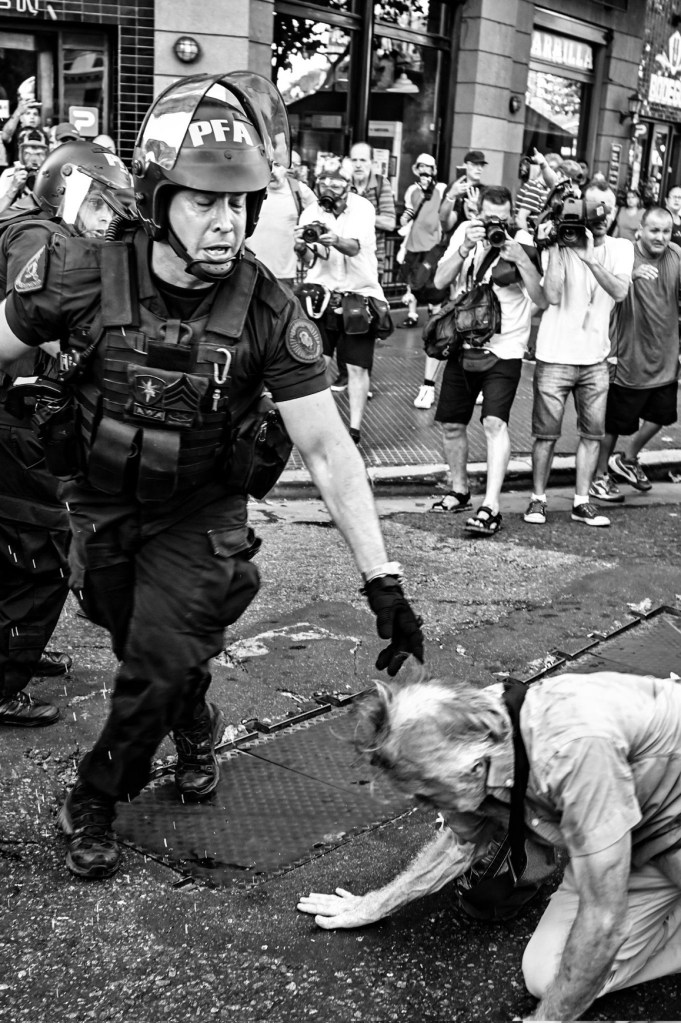
El peronismo supo pensar identidad política como experiencias movilizantes. Lo hizo con la disidencia sexual, con ciertas memorias del dolor. Pero no logra pensar el vaciamiento afectivo de su propia base electoral en esos mismos términos. La derecha, en cambio, lo hace.
Tweet
El colapso como punto de partida
No estamos ante una anomalía. Estamos ante un momento estructural. No hay sujeto esperando ser interpelado. Hay desconexión. Y eso no se revierte con épica, sino con reconstrucción. El kirchnerismo no fue derrotado por Milei. Fue derrotado por su imposibilidad de reinventar el lazo. Mientras tanto, el gobierno destruye lo que queda de comunidad: los comedores, las redes barriales, la ayuda mutua. No se retira: ataca. Desmantela. Aísla.
Tres condiciones para recomenzar lo político
Primero, dejar de romantizar lo mínimo. No es “la base popular” lo que se desarticula: es la última trinchera de la vida en común. Y está siendo arrasada.
Segundo, producir lenguaje nuevo. No se trata de inventar eslóganes, sino de nombrar lo que sí pasa. No puedo pagar el alquiler. Me sacaron la comida del comedor. Estoy endeudado y no puedo más. No me importa la patria, quiero que me dejen en paz. Esos discursos no son antipolíticos. Son el punto de partida de una nueva
No se trata de inventar eslóganes, sino de nombrar lo que sí pasa. No puedo pagar. Me sacaron la comida. Estoy endeudado. No me importa la patria, quiero que me dejen en paz. Esos discursos no son anti políticos.
Tweet
Tercero, trabajar desde la derrota. No contra ella. La épica no sirve si no hay trama afectiva. No se trata de aparecer con banderas, sino de no desaparecer del todo. Lo que queda no es proyecto, ni representación: es residuo. Pero incluso el residuo puede ser punto de partida. Si se lo cuida. Si se lo escucha. Si se lo trama de nuevo.
La épica no sirve si no hay trama afectiva. No se trata de aparecer con banderas, sino de no desaparecer del todo. Lo que queda no es proyecto, ni representación: es residuo.
Tweet
Epílogo: la escena vacía
La política argentina entró en una fase terminal de desvitalización. Solo pantallas, algoritmos, aislamiento. En ese escenario, Adorni gana con remeras que dicen “Fin”. Y tiene razón. Es el fin de una forma de hacer política. Pero no necesariamente el fin de toda política.
Lo que viene va a doler. No va a tener forma. Va a ser frágil. Pero si se logra recomponer un vínculo, aunque sea mínimo, quizá no todo esté perdido. Y habrá que cuidarse: periodistas, homosexuales, lesbianas.. No por nostalgia de la democracia, sino por instinto de preservación.
© Rodrigo Cañete, 2024. Todos los derechos reservados. Prohibida su reproducción total o parcial sin autorización expresa del autor. Publicado originalmente en Loveartnotpeople.blog
Milei’s greatest triumph was abstention.
Adorni’s victory in Buenos Aires is neither an anomaly nor a local oddity: it is the clearest sign that the Argentine political system is broken. Not because the right won, but because the majority chose not to participate. What prevailed was not a project, a figure, or an idea—it was the void. The true winner was neither Milei nor Adorni: it was abstention, as a collective gesture without a subject. And that should set off all the alarms.
The true winner was neither Milei nor Adorni: it was abstention, as a collective gesture without a subject. And that should set off all the alarms.
Tweet
When people stop voting, they are not disobeying—they are disconnected. They are not waiting to be addressed. They are out of the game. Politics, at that point, is no longer conflict or representation. It becomes pure administration of ruins. Parliament becomes a stage with no scene. Candidates, bodies without audience. The State, a machine that no longer organizes life but dismantles it.
Kirchnerism, meanwhile, remains trapped in its archive. It invokes a people that no longer responds. It repeats a desire that no longer circulates. It manages a memory that no longer eroticizes. The problem is not just Milei. The problem is that on the other side, there is nothing.
The problem is not just Milei. The problem is that on the other side, there is nothing.
Tweet
This text does not seek to interpret an electoral result, but to diagnose a historical form of political collapse: that of a country which, without even declaring it, has exited politics. And if something is to begin again, it will not be through representation or leadership, but through what remains alive when desire reappears.
Milei’s True Triumph Was Abstention
Adorni’s victory should not be read as a success for the libertarian administration, but as a failure of the entire political system. The true winner was the one who did not show up—the absent voter. But that absence is not strategy or resistance. It is the symptom of a subject who no longer recognizes themselves in any political language. An abstention that interrupts nothing, denounces nothing, builds nothing. A withdrawal without scene, without discourse, without tension. Politics reduced to structural silence.
The true winner was the one who did not show up—the absent voter. But that absence is not strategy or resistance. It is the symptom of a subject who no longer recognizes themselves in any political language.
Tweet

The Santoro Syndrome: When the People Stop Appearing
Roberto Navarro, a central figure of media-driven Peronism, tried to frame the result as an anomaly: “the one who won was the one who didn’t vote.” But that phrase attempts to save precisely what has broken: the link between the people and the movement that claimed to represent them. Peronism no longer summons. It no longer constructs a subject. It manages a memory. And that memory, far from mobilizing, has become a ritual of death. The “Peronist people” no longer appear—not because they were silenced, but because they stopped desiring.
Populism Without Desire
The confrontation is no longer between parliamentary democracy and populism. All politics has moved into the populist terrain. But there are two versions: one that finds pleasure in destruction (Milei), and another that survives by remembering a pleasure it once offered (late-stage Kirchnerism). While the first arouses with hatred, fantasies of punishment, and anti-elite rhetoric, the second merely repeats slogans detached from the present, still speaking about the dollar as if we were in an undergrad Econ class at the UBA with Kicillof.
All politics has moved into the populist terrain. But there are two versions: one that finds pleasure in destruction (Milei), and another that survives by remembering a pleasure it once offered (late-stage Kirchnerism).
Tweet
Institutional democracy, without desire to sustain it, becomes an empty theater. There is no scene. And without a scene, no interruption is possible. All that remains is nostalgia.

Drift Without a Body
Abstention is not a creative escape or a horizon-bearing rejection. It is drift without direction, without map, without community. The absent voter is not on strike; they are off the board. There is no shared language, no affective bond, no inscription. What we are witnessing is not strategy—it is collapse.
This disconnection was not produced by the right—it was cultivated by a left that once managed to eroticize politics, but today offers neither body nor stage. Everything has become rhetoric, archive, slogan. Desire, which once organized political attachment, now finds no outlet. And where there is no desire, there is only management of exhaustion.
The Problem Isn’t the Right—It’s Exhaustion
What’s striking is that Peronism once knew how to frame certain political identities as desiring experiences: through feminism, queer politics, and collective memory. But it cannot think through the affective depletion of its own electoral base in those same terms. The right, on the other hand, can. It names discomfort, simplifies it, turns it into narrative. It lies, yes—but it organizes, summons, seduces.
Collapse as a Starting Point
This is not an anomaly. It is a structural moment. There is no subject waiting to be addressed. There is disconnection. And this cannot be reversed through epic discourse—it requires reconstruction. Kirchnerism was not defeated by Milei. It was defeated by its own inability to reinvent the political bond.
Meanwhile, the government is destroying what remains of community life: food banks, neighborhood networks, mutual aid. It does not retreat—it attacks. It dismantles. It isolates.
Three Conditions to Rebuild Politics
First, stop romanticizing the minimal. What is being dismantled is not “the popular base,” but the last trench of shared life. And it is being deliberately erased.
Second, we must produce new language. Not slogans, but words that name what is actually happening. I can’t afford rent. They took away the food bank. I’m in debt for the TV and the therapist. I don’t care about the homeland—I just want to be left alone. These are not anti-political statements. They are the starting point of a new politicization.
Third, we must work from defeat—not against it. Epic discourse is meaningless without affective structure. It’s not about reappearing with flags—it’s about not disappearing altogether. What remains is not a project, nor a representation: it is residue. And even residue can be a starting point—if it is cared for, listened to, and re-woven.
Epilogue: The Empty Stage
Argentine politics has entered a terminal phase of devitalization. Only screens, algorithms, isolation. In this landscape, Adorni wins with T-shirts that say “The End.” And he’s right. It is the end of a way of doing politics. But not necessarily the end of all politics.
Argentine politics has entered a terminal phase of devitalization. Only screens, algorithms, isolation. In this landscape, Adorni wins with T-shirts that say “The End.”
Tweet
What’s coming will hurt. It will be formless. Fragile. But if even a minimal bond can be recomposed, perhaps not everything is lost. And we must protect each other—journalists, homosexuals, lesbians—not out of nostalgia for democracy, but out of survival instinct.
© Rodrigo Cañete, 2024. All rights reserved. No part of this publication may be reproduced without the author’s explicit permission. Originally published on LoveArtNotPeople.


 Loveartnotpeople.blog
Deja una respuesta