SCROLL DOWN FOR THE ENGLISH VERSION
Cuando Joji lanza Past Won’t Leave My Bed en noviembre de 2025, no entrega simplemente otra balada triste: firma un manifiesto. La cama —supuesto refugio íntimo— aparece en la letra como un altar donde lo único que se acuesta con vos es la esperanza perdida que daba el pasado. La canción es un susurro al piano, pero el título es brutal: el pasado como cuerpo pegado a las sábanas, como fantasma intruso que no se va nunca.
Cuando Joji lanza Past Won’t Leave My Bed en noviembre de 2025, no entrega simplemente otra balada triste: firma un manifiesto. La cama —supuesto refugio íntimo— aparece en la letra como un altar donde lo único que se acuesta con vos es la esperanza perdida que daba el pasado.
Tweet
El video trabaja esa idea por oposición. Habla visualmente desde el presente norteamericano trumpiano: es policía, surveillance, luz nocturna, ratas y un caballo perdido en el medio del paisaje americano —símbolo clásico de libertad— que aquí aparece desubicado, casi fantasmático. No es un simple acompañamiento visual, es un clima político. Hay patrulleros, faros que encandilan, autopistas vacías, el ojo del Estado y el ojo de la cámara confundidos en una misma mirada que registra, persigue y sospecha. El hitchhiker que camina, espera o es levantado en auto no es un romántico errante: es un cuerpo vulnerable circulando por la América del control, la paranoia y el cinismo post-Trump. Todo el dispositivo visual es eso: periferia, precariedad, amenaza difusa. El protagonista es levantado en la ruta por un viejo depredador; la forma en que el montaje empalma ese encuentro con la aparición pixelada de Joji —mucho más joven, más inocente, más “oriental” que su figura pública actual— refuerza la lectura: no es sólo un viaje, es una captura. La vulnerabilidad del chico en la ruta dialoga con la vulnerabilidad de Joji frente a sus propios fantasmas.
Todo el dispositivo visual es eso: periferia, precariedad, amenaza difusa. El protagonista es levantado en la ruta por un viejo depredador; la forma en que el montaje empalma ese encuentro con la aparición pixelada de Joji —mucho más joven, más inocente, más “oriental”
Tweet
En esa clave, el video eleva la idea de la canción a otro nivel. Joji no aparece en pantalla porque ya no es necesario: la protagonista es una atmósfera de precariedad, degeneración y amenaza, una América nocturna que parece expulsar más de lo que acoge. Lo que vemos no es un recuerdo, sino el modo en que la memoria se vuelve paisaje: imágenes gastadas, vida capturada al margen, restos que sobreviven a su propio sentido. Antes de ser romántica, la música de Joji funciona como arqueología del daño, una excavación de lo que persiste incluso cuando ya debería haberse apagado.
Antes de ser romántica, la música de Joji funciona como arqueología del daño, una excavación de lo que persiste incluso cuando ya debería haberse apagado.
Tweet

Past Won’t Leave My Bed es, en todos los sentidos, la continuación directa de Glimpse of Us. Si aquel tema de 2022 exponía la irrupción súbita del pasado en medio de un presente que intentaba recomponerse, este nuevo capítulo de 2025 muestra lo que ocurre cuando esa irrupción deja de ser un momento y se convierte en estado permanente.
Past Won’t Leave My Bed es, en todos los sentidos, la continuación directa de Glimpse of Us. Si aquel tema de 2022 exponía la irrupción súbita del pasado en medio de un presente que intentaba recomponerse, este nuevo capítulo muestra lo que ocurre cuando esa irrupción se convierte en estado permanente.
Tweet
En Glimpse of Us, el yo lírico aún conserva la ilusión de un presente alternativo: hay una nueva pareja, una vida que intenta rearmarse, un deseo que pelea por salir adelante. La frase que organiza toda la canción —«I get a glimpse of us»— registra con precisión ese conflicto: el pasado aparece como un destello involuntario, una intrusión breve que fractura la atención, pero no destruye todavía la estructura del presente. El dolor allí es moral: él se siente culpable por amar lo que ya no debería. Por eso el video funciona con tanta fuerza: muestra una vida torpe, sucia, violenta, vivida como si fuera real y como si ya hubiese ocurrido al mismo tiempo. Hay movimiento, cuerpos, errores, caos, juventud desbordada, robos, drogas. El pasado en Glimpse of Us está vivo; duele porque respira.
El pasado en Glimpse of Us está vivo; duele porque respira.En cambio, en Past Won’t Leave My Bed el pasado ha sido colonizado.
Tweet
En cambio, en Past Won’t Leave My Bed el conflicto no es moral ni psicológico: es ontológico. Ya no existe el triángulo amoroso ni el intento de comenzar de cero; no hay nueva pareja, ni presente posible, ni margen para otra vida. El pasado ha sido colonizado. La cama —ese espacio íntimo donde se supone que el yo recupera su autenticidad— está tomada por un fantasma que ya no se limita a aparecer: vive ahí, comparte almohada, respira en la nuca. El título mismo es una tragedia: el pasado no visita, no acecha, no molesta; el pasado no se va. Ya no es un recuerdo: es un ocupante. Y no es romántico, es espeluznante.
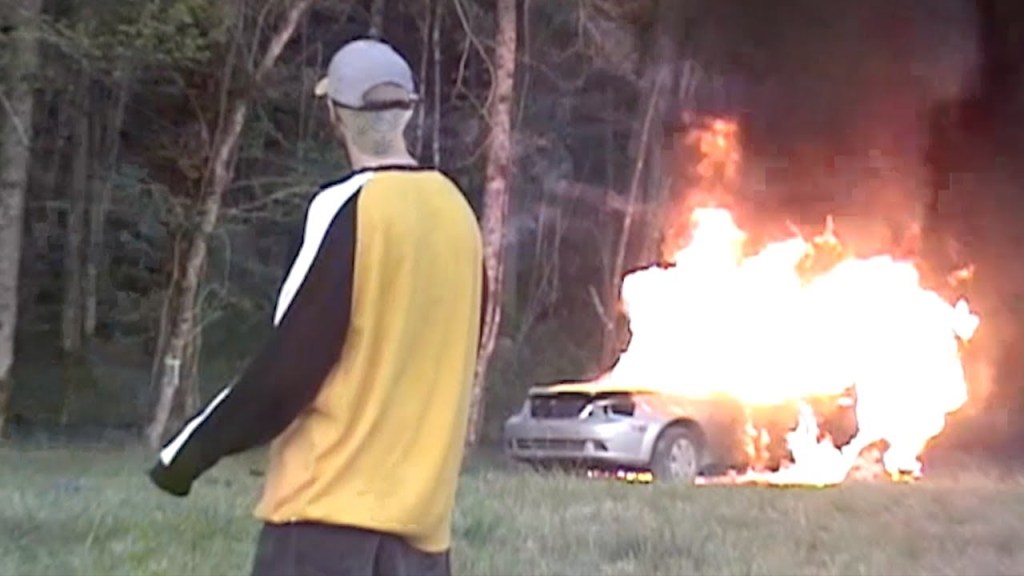
El video profundiza esta lógica con una potencia inesperada. El found footage de Glimpse of Us estaba poblado de vida defectuosa, pero vida al fin. En Past Won’t Leave My Bed, en cambio, la vida desaparece. Joji no aparece porque ya no tiene cuerpo que mostrar; lo reemplaza ese hitchhiker perdido en un paisaje que parece expulsar la presencia humana. Patrulleros que circulan como animales nocturnos, cámaras de vigilancia que duplican la mirada del Estado, luz artificial que cae como un interrogatorio permanente, ratas que cruzan la escena, un caballo como emblema de un ecosistema roto y una carretera estadounidense —también símbolo de libertad— convertida en corredor sin salida. Este video es la America de Trump: policía, vigilancia, paranoia, decadencia, animales fuera de lugar. Es la expresión estética de un país que dejó de producir sujetos para empezar a producir residuos. Allí donde Glimpse of Us mostraba cuerpos en exceso, Past Won’t Leave My Bed muestra apenas persistencias: un hombre desaparecido, un país desfondado, un yo que ya no existe.
El video profundiza esta lógica con una potencia inesperada. El found footage de Glimpse of Us estaba poblado de vida defectuosa, pero vida al fin. En Past Won’t Leave My Bed, en cambio, la vida desaparece. Joji no aparece porque ya no tiene cuerpo que mostrar
Tweet
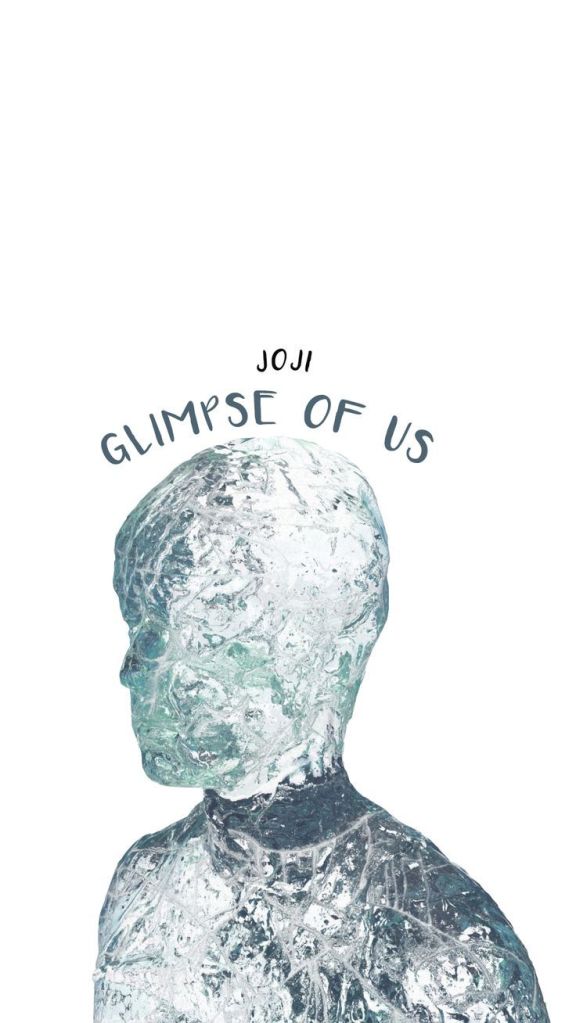
Las letras refuerzan este pasaje. En Glimpse of Us, la voz intenta reconciliarse con un presente que no termina de habitar; hay esfuerzo, lucha, deseo todavía posible. En Past Won’t Leave My Bed, no hay lucha: hay condena. La letra ya no pregunta por qué el pasado vuelve; afirma que el pasado se quedó. La posibilidad de cura desaparece. No queda sujeto que pueda negociar con su memoria. Lo que en 2022 era un conflicto interior —una traición perceptiva— en 2025 es una estructura publica: no se trata de elegir entre dos amores, sino de vivir atrapado dentro de lo que ya no puede morir. Past Won’t Leave My Bed es lo que Glimpse of Us anunciaba sin atreverse a mostrar: aquel video mostraba vida filmada como recuerdo; este muestra recuerdo filmado como vida. Aquel presentaba un sujeto que mira hacia atrás; este muestra un sujeto que ya no está. Si el primero era duelo, el segundo es postvida. Si el primero mostraba el momento en que el pasado interrumpe, el segundo documenta el momento en que el pasado triunfa como esperanza de lo que no va a volver. Si seguís en ese registro, lo único que te queda es el suicidio.

Lo que une a ambos es la aparición del espectro del yo, y ahí el caballo funciona como alegoría doble: restos de una América violenta “clásica” —Western, frontera, mito de libertad— que ya ni siquiera puede sostener su propio mito frente a la violencia presente, mucho más difusa y estructural. El cosplay de virilidad americana quedó viejo; lo que vemos es su versión mutante, barata, policializada. En Glimpse of Us el fantasma es la ex, la relación perdida, la imagen idealizada de lo que fue. En Past Won’t Leave My Bed el fantasma ya no es la ex: es él mismo, exhausto. Lo que vuelve no es la mujer, sino el sujeto que él fue, fijado en imágenes, multiplicado en memorias, convertido en presencia que ocupa la cama. Es la pesadilla exacta de la cultura digital: no poder desalojar la versión de uno mismo que sobrevivió en videos, capturas, registros y retazos.
En Glimpse of Us el fantasma es la ex, la relación perdida, la imagen idealizada de lo que fue. En Past Won’t Leave My Bed el fantasma ya no es la ex: es él mismo, exhausto. Lo que vuelve no es la mujer, sino la pesadilla exacta de la cultura digital
Tweet
Por eso el salto formal entre ambos videos es tan fuerte: Glimpse of Us pertenece a la vida; Past Won’t Leave My Bed pertenece al mundo de los espectros. Uno filma cuerpos vivientes; el otro filma ruinas.. Uno registra un duelo; el otro registra una eternidad del daño. Entre ambos hay un pasaje del conflicto emocional al destino trágico: el hombre que antes recordaba ahora ya no existe sino como recuerdo. Y todo eso ocurre porque, en el universo Joji, la memoria ya no es un lugar al que se vuelve: es un lugar del que no se quiere salir porque de hacerlo, la vista es horrorosa.

Ahí está la clave: antes de ser romántica, la música de Joji funciona como arqueología del daño, una excavación de lo que persiste incluso cuando ya debería haberse apagado. En su caso, “arqueología del daño” no es una metáfora decorativa: es la forma más precisa de describir cómo trabaja con su propio pasado y con los restos emocionales de quienes lo escuchan. Su obra excava capas de trauma personal y colectivo como si fueran estratos: la vergüenza de haber sido Filthy Frank, el abuso performativo de su propio cuerpo, la exposición extrema, las relaciones fallidas, las adicciones emocionales, el agotamiento psíquico del internet temprano. Esa historia aparece como restos mal conservados, piezas desenterradas de un sitio donde antes hubo violencia simbólica y ruido.
Antes de ser romántica, la música de Joji funciona como arqueología del daño, una excavación de lo que persiste incluso cuando ya debería haberse apagado
Tweet
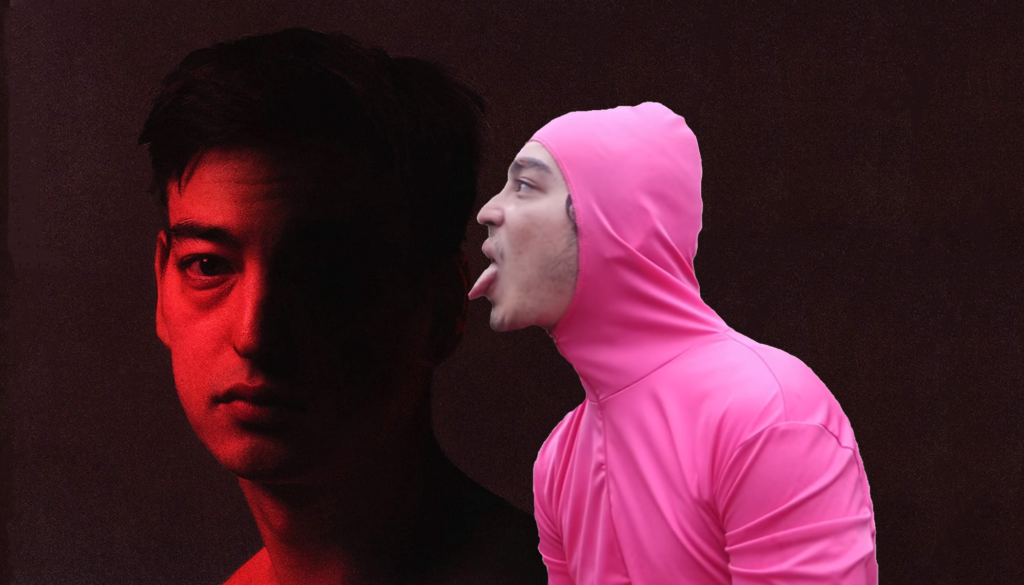
Las estéticas VHS, el pixelado, el glitch, las cámaras baratas, las imágenes saturadas o quemadas no son un capricho visual: son la traducción estética de una memoria dañada. Joji trabaja como si manipulara restos: no imágenes limpias, sino esquirlas. Cada video suyo parece filmado desde un archivo que sobrevivió de milagro. Y el daño no es sólo tema: es método. Sus letras no buscan un relato entero, sino una constelación de síntomas: frases cortadas, sentimientos contradictorios, voces sin sujeto claro. Excava, encuentra fragmentos, los acomoda sin aspirar a completarlos y sobre esos restos construye un paisaje emocional. En conjunto, convertir esas ruinas —culturales, digitales, afectivas— en materia prima es la operación central de su obra.
Joji trabaja como si manipulara restos: no imágenes limpias, sino esquirlas. Cada video suyo parece filmado desde un archivo que sobrevivió de milagro. Y el daño no es sólo tema: es método.
Tweet
El arco biográfico del artista ya anticipaba esta transformación alegórica. Antes de convertirse en el crooner melancólico de Slow Dancing in the Dark o Glimpse of Us, Joji era Filthy Frank: un personaje construido desde la basura digital, el cringe, el humor tóxico, el vómito performático. Cómo Trump? Su cuerpo era arma, residuo y chiste. Cuando abandona ese universo en 2017 aduciendo problemas de salud y estrés, reaparece como músico “serio”, inaugurando con In Tongues la transición hacia un lenguaje minimalista, emocional y casi fracturado. Ese desdoblamiento no es anecdótico: su carrera musical puede leerse como una larga metáfora de desintoxicación del yo online. El hombre que antes encarnaba el exceso ahora susurra desde la vulnerabilidad; el performer grotesco se convierte en narrador del after, del derrumbe silencioso, de la resaca emocional.
In Tongues inaugura un período todavía tentativo, donde la voz parece balbucear más de lo que afirma. El título ya adelanta que el habla está rota: es un Joji que todavía no domina su nueva lengua emocional. Con BALLADS 1, en cambio, su figura queda fijada: el joven devastado que no consigue sostener una relación, atrapado en un loop de culpa, autodestrucción y melancolía. Slow Dancing in the Dark cristaliza esa estética con una claridad casi dolorosa: un traje blanco manchado de sangre, un caminar lento por la noche, un cuerpo que se desploma sobre un suelo inmaculado. Esa sangre no sólo marca el fracaso amoroso: es la alegoría insistente de un trauma que nunca termina de coagular.
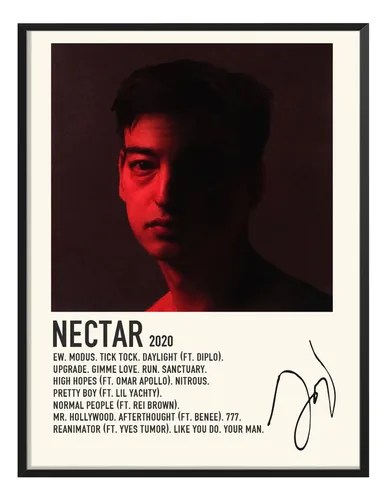
Con Nectar, la paleta emocional cambia y se intensifica. El rojo saturado, la lava, el calor sofocante, las metáforas volcánicas componen un paisaje donde el amor ya no es simplemente pérdida, sino combustión. Se lo ha leído como un viaje existencial, pero su clave más fuerte es alegórica: el amor como magma, dulce y corrosivo, capaz de cristalizar y destruir en un mismo movimiento. Cuando aparece SMITHEREENS en 2022, esa energía se fragmenta. El título indica un yo destrozado que explota en pequeñas astillas del mismo espejo emocional. “Glimpse of Us” instala la escena definitiva: un presente dominado por la sombra de un pasado que se niega a retirarse. La persona que uno tiene delante es apenas un eco, un reflejo parcial de otra figura que no termina de irse.
Con Nectar, la paleta emocional cambia y se intensifica. El rojo saturado, la lava, el calor sofocante, las metáforas volcánicas componen un paisaje donde el amor ya no es simplemente pérdida, sino combustión
Tweet
El regreso musical de 2025 inaugura el preludio de su próximo álbum, Piss in the Wind, previsto para febrero de 2026. Los singles “PIXELATED KISSES”, “If It Only Gets Better” y “Past Won’t Leave My Bed” forman un tríptico coherente. En “PIXELATED KISSES” la intimidad aparece deformada por un filtro digital: el afecto llega en baja resolución, como si el deseo estuviera compuesto por ruido y glitches. “If It Only Gets Better” —aparentemente optimista— esconde la ironía del estancamiento emocional: si todo mejora, ¿por qué la herida no cierra? Past Won’t Leave My Bed concentra toda la poética en una sola imagen: una cama donde el pasado es un cuerpo instalado, silencioso, ilegítimamente presente, imposible de desalojar. Una cama que en el video ni siquiera existe. Es el baño de discapacitados al borde del autopista entre ratas y viejos pedofilos.
La metamorfosis de Joji no ocurre sólo en sus imágenes: su música también registra la disolución del yo. La evolución como cantante y productor funciona como correlato técnico de ese tránsito del cuerpo a la sombra. Desde In Tongues hasta Past Won’t Leave My Bed, su sonido abandona la densidad corporal (timbre cálido, proximidad de micrófono, respiración audible) para migrar hacia registros más etéreos, texturas evaporadas y voces que se mezclan con la atmósfera hasta casi desaparecer. Todo su proyecto sonoro es una coreografía del desvanecimiento.
La metamorfosis de Joji no ocurre sólo en sus imágenes: su música también registra la disolución del yo. La evolución como cantante y productor funciona como correlato técnico de ese tránsito del cuerpo a la sombra.
Tweet
Joji comienza íntimo, casi susurrado, apoyado en un vibrato breve y tembloroso y en una afinación ligeramente caída que forma parte de su estética. En “Will He” y “Demons” todavía se lo escucha como un cantante de R&B lo-fi: melodías de rango estrecho, armonías minimalistas, mucha compresión en la voz, saturación deliberada y side-chain respirando en los graves. La tristeza se oye como peso, como presencia húmeda. Su voz aún pertenece a un cuerpo. En Slow Dancing in the Dark aparece el primer salto técnico importante: melodías más amplias, saltos ascendentes que rozan el falsete y una producción que mezcla sintes analógicos con reverbs largas que dejan la voz suspendida. Ese eco no es un adorno: es la primera señal de un sujeto que ya no se sostiene en sí mismo. La voz flota, se vuelve espectral antes que emotiva. La técnica vocal —sobre todo el pasaje del registro de pecho al falsete— coincide con la narrativa visual del mártir romántico: el cuerpo sangra mientras la voz se eleva.
La voz flota, se vuelve espectral antes que emotiva. La técnica vocal —sobre todo el pasaje del registro de pecho al falsete— coincide con la narrativa visual del mártir romántico: el cuerpo sangra mientras la voz se eleva.
Tweet
A partir de “Test Drive” y “Run”, la música empieza a separarse del cuerpo del cantante. Joji usa dobles de voz, armonías a muy bajo volumen, voces paneadas que simulan duplicación. Esa técnica —propia del dream pop y el alt-R&B— produce la sensación de que Joji no canta solo, sino acompañado por un yo que no vemos. El desdoblamiento vocal es la versión sonora de su fantasma visual. En “Sanctuary”, la producción incorpora sintes espaciales, pads brillantes y líneas melódicas inspiradas en el synth-pop retro, como si el alter ego del héroe espacial necesitara un paisaje sin gravedad. La voz está tratada con auto-tune suave, no para corregir, sino para darle un carácter inhumano. Suena a máscara, a criatura. Lo que era confesión íntima se vuelve performance de un sujeto desplazado.
La tercera etapa —“Gimme Love”, “Your Man”— lleva la desmaterialización un paso más allá. Patrones rítmicos rápidos, casi mecánicos, hi-hats en semicorcheas, bajos sintetizados que no respiran, arreglos que separan “movimientos” dentro del mismo tema: las canciones dejan de intentar sonar como “vida emocional” para sonar como procesos. La voz se empasta dentro de la mezcla; pierde prioridad. Es la música de alguien que ya no está en su cuerpo, sino en la fricción entre sistemas.
Y entonces llega la ruptura absoluta: en “Glimpse of Us”, la voz regresa al piano desnudo, pero lo hace de un modo completamente distinto al Joji inicial. La dinámica vocal es mínima, casi sin ataque; el fraseo, quebrado; el aire se oye más que la nota. No hay producción que sostenga: hay vulnerabilidad técnica. Esta desnudez no es retorno: es ausencia. Como si la voz fuera un residuo del sujeto que ya no aparece en pantalla. La voz se convierte en aura.
En “Feeling Like the End” y “Die for You”, Joji canta con capas múltiples de reverb, doblajes casi imperceptibles y un uso sistemático de la mezcla wet, donde la voz pierde contorno y se fusiona con la instrumentación. El efecto es claro: la voz deja de ser cuerpo y se vuelve clima. En “Ew”, el piano y la voz están en primer plano, pero la producción los envuelve con una espaciosidad inusual, como si estuvieran en un templo vacío. Es música litúrgica secular: la voz oficia, no confiesa. Es un Joji convertido en sacerdote de su propio duelo. Finalmente, en Past Won’t Leave My Bed, su voz se reduce a un susurro texturizado, casi sin peso. Está tan comprimida y filtrada que no suena a garganta: suena a respiración procesada. Joji ya no aparece en el video porque tampoco aparece plenamente en la voz: lo que canta no es un cuerpo, es un resto acústico. Aquí la técnica coincide con la alegoría: el hombre murió, quedó el eco. Muy Ovidiano.
Joji no sólo construye un alter ego visual: construye un alter ego sonoro. Un hombre que empezó cantando desde la carne termina cantando desde la niebla. Un sujeto que comenzó con melodías cerradas y casi habladas termina en el borde del falsete, convertido en vibración. Toda su progresión técnica —afinación inestable, mezcla atmosférica, timbre cada vez más tenue, tendencia a borrar los contornos de la voz— expresa lo mismo que su visualidad: la voluntad de abandonar el cuerpo, de volverse sombra, de existir sólo como rastro persistente en un mundo saturado de imágenes y sonidos que no mueren. Joji no sólo se vuelve espectro en la pantalla: se vuelve espectro en la música misma. Es el artista que encontró, en la técnica vocal y en la producción, una forma de decir: “no quedé yo: quedó lo que suena después de mí”.
El modelo masculino tradicional —el del hombre que se afirma, progresa, conquista, avanza— se vuelve inviable frente a un archivo que le recuerda continuamente su fracaso personal. Joji encarna la alegoría perfecta: un hombre que no puede escapar de aquello que ya no es.
Tweet
Ahí entra la dimensión del archivo como fantasma y la figura del varón arruinado. El modelo masculino tradicional —el del hombre que se afirma, progresa, conquista, avanza— se vuelve inviable frente a un archivo que le recuerda continuamente su fracaso personal. Joji encarna la alegoría perfecta: un hombre que no puede escapar de aquello que ya no es. Nuestra memoria no es algo neutral: es algo que vive con uno. No es un espejo que refleja, es una tumba que conserva lo que ya debería estar muerto. Cuando archivamos algo, lo fijamos, y al fijarlo lo matamos. Por eso el archivo no es memoria, sino sentencia que vuelve una y otra vez para recordarte quién fuiste. “Lo fantasmático”: aquello que no está vivo, pero actúa; algo que no vemos, pero organiza nuestra experiencia. En ese sentido, el archivo tampoco es “pasado”: es freno para el futuro, porque cada vez que Joji intenta ser otra cosa, aparece el fantasma de lo que hizo, dijo o performó y lo empuja de vuelta hacia esa version de sí mismo.
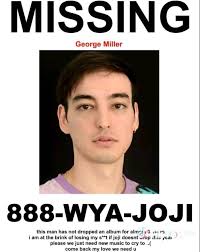
La masculinidad clásica se construía acumulando —experiencia, poder, autoridad—, pero la masculinidad que muestra Joji funciona al revés: está hecha de lo que no puede borrar. Su vida no avanza por lo que suma, sino por lo que lo acecha. Por eso su biografía no parece una línea temporal, sino un cementerio abierto: un montón de versiones suyas que no descansan, que lo siguen, que le marcan el paso. Para Gordon, lo que no se resuelve insiste; para Derrida, el archivo exige obediencia. Para Joji, simplemente, no hay manera de inventarse un futuro mientras los fantasmas tengan la última palabra. De ahí que su figura aparezca como ruina: estructura derrumbada sobre la cual aún se proyectan sombras. Una identidad que ya no puede erguirse porque está tomada por espectros que no permiten avanzar. Una vida afectiva minada por la repetición de imágenes, gestos, errores. Una historia personal transformada en evidencia permanente. Joji es el varón contemporáneo cuya vida está tomada por fantasmas digitales que le impiden reinventarse. Pero hay un pliegue más profundo que conecta este mundo sensible con un viejo régimen moral: la culpa católica. Lo que vive Joji no es sólo la presencia del pasado; es la lógica del pecado recordado, la imposibilidad de redención, la vigilancia constante del “yo” que falló y no puede hacer borrón y cuenta nueva: liturgia del arrepentimiento sin absolución.
Hay un pliegue más profundo que conecta este mundo sensible con un viejo régimen moral: la culpa católica. Lo que vive Joji no es sólo la presencia del pasado; es la lógica del pecado recordado: liturgia del arrepentimiento sin absolución.
Tweet
De ahí el giro final: Joji ya no es sólo un hombre herido; es un ghost in the machine. No vive dentro del archivo: es archivo. Su identidad no es la del penitente que busca perdón, sino la del muerto que sigue circulando por las redes, conservado artificialmente, repitiéndose como eco. Más que ruina, es un residuo animado: un alma sin cuerpo atrapada en la lógica infinita de la reproducción digital. Y, sin embargo, su canto tiene algo de éxtasis post-mortem. Su melancolía no es sólo desesperación, sino una forma torcida de esperanza: la pareja —siempre idealizada, siempre perdida— funciona como versión pop del paraíso católico: un lugar donde la culpa se detendría y donde él podría ser, al fin, “nuevo”. Joji no canta al amor; canta a la salvación. No canta a la mujer; canta a la absolución imposible. No canta desde la vida; canta desde un más allá digital donde lo único que persiste es un deseo de pureza que ya no coincide con su cuerpo. La tragedia se condensa en una pregunta: ¿Joji ya sabe que está muerto y, aun así, sigue buscando en la estética del dolor la promesa de un matrimonio eterno que no llega? Ahí está todo: es un fantasma que canta como si todavía pudiera ser amado.
Joji no canta al amor; canta a la salvación. No canta a la mujer; canta a la absolución imposible. No canta desde la vida; canta desde un más allá digital donde lo único que persiste es un deseo de pureza que ya no coincide con su cuerpo.
Tweet
Las cámaras precarias, el pixelado, los glitches, el material VHS introducen la idea de que la memoria es siempre defectuosa, borrosa, mal conservada. Y la constante del movimiento —carreras nocturnas, autopistas, corredores, huidas— crea extrañamiento: todos los cuerpos parecen desplazarse, pero ninguno llega realmente a ningún lado. Es la traducción visual de la rumiación: avanzar sin avanzar. En este marco, la cama de Past Won’t Leave My Bed se convierte en uno de los símbolos más potentes de toda su obra. Es el espacio donde el yo debería ser auténtico, donde debería existir el descanso, donde el cuerpo debería estar a salvo. Pero en Joji la cama es memoria tóxica. Allí conviven la ex que no se puede olvidar, las relaciones rotas, los errores registrados en video, los restos del personaje de YouTube, los memes que circularon sin control, los traumas fijados en la retina pública, el aporte a una cultura que terminó dando ICE. La cama, en Joji, ya no es lugar de descanso, sino teatro del lamento.
Con Past Won’t Leave My Bed, Joji deja de ser el “sadboy” más exitoso del pop alternativo y se consolida como algo más profundo: el elegíaco especialista en traducir el duelo sentimental de una generación que nunca pudo desconectarse. Allí, entre la lágrima y el glitch, Joji encuentra su voz más verdadera: la de quien sabe que, incluso cuando apagás la luz, el archivo sigue brillando en la oscuridad. ¿Dormir? Sólo cuando el pasado y el presente abandonen por fin la cama. Y eso —en el universo Joji— nunca ocurrirá.
Joji: from toxic clown to patron saint of digital heartbreak in a culture that votes for alleged pedophiles who partied with Epstein
When Joji releases Past Won’t Leave My Bed in November 2025, he doesn’t just drop another sad ballad: he signs a manifesto. The bed —that supposed intimate refuge— appears in the lyrics as an altar where the only thing that lies down with you is the hope the past once gave. The song is a piano whisper, but its title is brutal: the past as a body stuck to the sheets, as an intrusive ghost that never leaves.
When Joji releases Past Won’t Leave My Bed in November 2025, he doesn’t just drop another sad ballad: he signs a manifesto. The bed appears in the lyrics as an altar where the only thing that lies down with you is the hope the past once gave.
Tweet
The video works that idea by opposition. Visually, it speaks from the Trumpian American present: it’s cops, surveillance, nocturnal light, rats and a lone horse in the middle of the American landscape —a classic symbol of freedom— that here appears out of place, almost ghostly. It isn’t mere visual accompaniment, it’s a political climate. There are patrol cars, blinding headlights, empty highways, the eye of the State and the eye of the camera fused into a single gaze that records, hunts and suspects. The hitchhiker who walks, waits or gets picked up isn’t a romantic drifter: he’s a vulnerable body circulating through the America of control, paranoia and post-Trump cynicism. The whole visual device is that: periphery, precarity, diffuse threat. The protagonist is picked up on the road by an older predator; the way the editing splices that encounter with Joji’s pixelated appearance —much younger, more innocent, more “Asian” than his current public persona— reinforces the reading: it’s not just a trip, it’s a capture. The vulnerability of the boy on the road echoes Joji’s vulnerability before his own ghosts.
Visually, it speaks from the Trumpian American present: its cops, surveillance, nocturnal light, rats and a lone horse —a classic symbol of freedom— that here appears out of place, almost ghostly. It isn’t mere visual accompaniment, it’s a political climate.
Tweet
In that key, the video takes the song’s idea to another level. Joji doesn’t appear on screen because he no longer needs to: the protagonist is an atmosphere of precarity, degeneration and menace, a nocturnal America that seems to expel more than it welcomes. What we see is not a memory but the way memory turns into landscape: worn-out images, life caught at the margins, remnants that outlive their own meaning. Before it is romantic, Joji’s music works as an archaeology of damage, an excavation of what persists even when it should already have gone dark.
Before it is romantic, Joji’s music works as an archaeology of damage, an excavation of what persists even when it should already have gone dark.
Tweet
Past Won’t Leave My Bed is, in every sense, the direct continuation of Glimpse of Us. If that 2022 track exposed the sudden irruption of the past in the middle of a present that was trying to pull itself together, this new 2025 chapter shows what happens when that irruption stops being a moment and becomes a permanent state. In Glimpse of Us, the lyrical “I” still clings to the illusion of an alternative present: there’s a new partner, a life that tries to be rebuilt, a desire that still struggles to move forward. The line that structures the whole song —“I get a glimpse of us”— captures that conflict precisely: the past appears as an involuntary flicker, a brief intrusion that fractures attention but does not yet destroy the framework of the present. The pain there is moral: he feels guilty for loving what he supposedly shouldn’t love anymore. That’s why the video hits so hard: it shows a clumsy, dirty, violent life, lived as if it were real and as if it had already happened at the same time. There is movement, bodies, mistakes, chaos, overflowing youth, theft, drugs. The past in Glimpse of Us is alive; it hurts because it breathes.
Past Won’t Leave My Bed is, in every sense, the direct continuation of Glimpse of Us. If that 2022 track exposed the sudden irruption of the past in the middle of a present that was trying to pull itself together, this new 2025 chapter shows what happens when that irruption becomes permanent.
Tweet
By contrast, in Past Won’t Leave My Bed the conflict is neither moral nor psychological: it’s ontological. There is no longer a love triangle or an attempt to start over; there is no new partner, no possible present, no room for another life. The past has been colonised. The bed —that intimate space where the self is supposed to recover its authenticity— is occupied by a ghost that no longer merely appears: it lives there, shares the pillow, breathes on your neck. The title itself is a tragedy: the past doesn’t visit, doesn’t haunt, doesn’t nag; the past does not leave. It is no longer a memory, it is a tenant. And it is not romantic, it is creepy.
Joji’s Past Won’t Leave My Bed the conflict is neither moral nor psychological: it’s ontological. There is no longer a love triangle or an attempt to start over; there is no new partner, no possible present, no room for another life. The past has been colonised.
Tweet
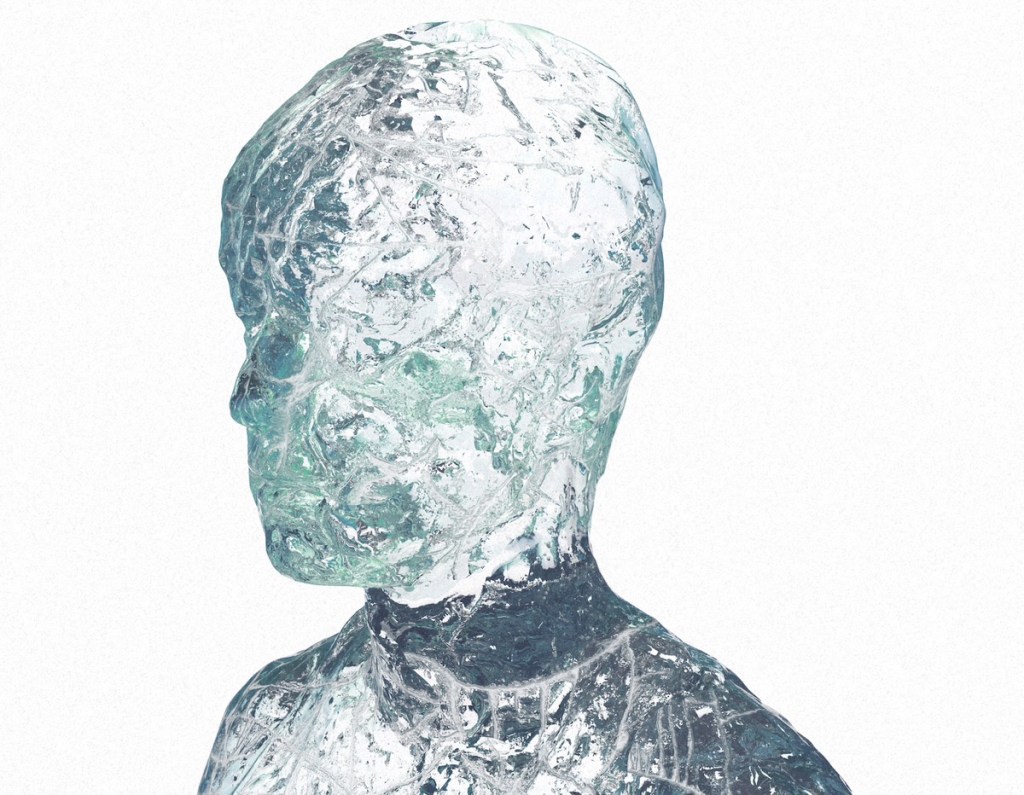
The video deepens this logic with unexpected force. The Glimpse of Us found footage was full of defective life, but life nonetheless. In Past Won’t Leave My Bed, by contrast, life disappears. Joji doesn’t appear because he has no body left to show; he is replaced by that hitchhiker lost in a landscape that seems to expel human presence. Patrol cars moving like nocturnal animals, surveillance cameras doubling the gaze of the State, artificial light falling like a permanent interrogation, rats crossing the frame, a horse as an emblem of a broken ecosystem and a U.S. highway —also a symbol of freedom— turned into a corridor with no exit. This video is Trump’s America: police, surveillance, paranoia, decay, animals out of place. It’s the aesthetic expression of a country that stopped producing subjects and started producing residue. Where Glimpse of Us showed an excess of bodies, Past Won’t Leave My Bed shows only remnants: a disappeared man, a hollowed-out country, a self that no longer exists.

The lyrics reinforce this shift. In Glimpse of Us, the voice is trying to reconcile itself with a present it never fully inhabits; there is effort, struggle, desire still possible. In Past Won’t Leave My Bed, there is no struggle: there is a sentence. The lyric no longer asks why the past comes back; it states that the past stayed. The possibility of cure vanishes. There is no subject left who can negotiate with his memory. What in 2022 was an internal conflict —a betrayal of perception— in 2025 has become a public structure: it’s no longer about choosing between two loves, but about living trapped inside something that can no longer die. Past Won’t Leave My Bed is what Glimpse of Us foretold without daring to show: that video showed life filmed as memory; this one shows memory filmed as life. That one presented a subject who looks back; this one presents a subject who is already gone. If the first was mourning, the second is afterlife. If the first showed the moment when the past interrupts, the second documents the moment when the past triumphs as hope for what will not return. If you stay in that register, the only thing left is suicide.
In Glimpse of Us, the voice is trying to reconcile itself with a present it never fully inhabits; there is effort, struggle, desire still possible. In Past Won’t Leave My Bed, there is no struggle: there is a sentence.
Tweet
What binds the two is the emergence of the spectre of the self, and here the horse works as a double allegory: the leftovers of a “classic” violent America —Western, frontier, the myth of freedom— that can no longer sustain its own myth in the face of present-day violence, far more diffuse and structural. The cosplay of American virility is obsolete; what we see is its mutated, cheap, police-ified version. In Glimpse of Us the ghost is the ex, the lost relationship, the idealised image of what once was. In Past Won’t Leave My Bed the ghost is no longer the ex: it is himself, exhausted. What returns is not the woman, but the subject he once was, fixed in images, multiplied in memories, turned into a presence that occupies the bed. It is the exact nightmare of digital culture: being unable to evict the version of yourself that survived in videos, screenshots, records and fragments.

That’s why the formal leap between the two videos is so stark: Glimpse of Us belongs to life; Past Won’t Leave My Bed belongs to the world of spectres. One films living bodies; the other films ruins. One records a mourning; the other records an eternity of damage. Between the two there is a passage from emotional conflict to tragic destiny: the man who once remembered now exists only as a memory. And all of this happens because, in Joji’s universe, memory is no longer a place you return to: it’s a place you don’t want to leave, because if you did, the view would be horrifying.
That’s the key: before it’s romantic, Joji’s music works as an archaeology of damage, an excavation of what persists even when it should already have gone out. In his case, “archaeology of damage” isn’t a decorative metaphor: it’s the most precise way of naming how he works with his own past and with the emotional leftovers of those who listen to him. His work digs through layers of personal and collective trauma as if they were strata: the shame of having been Filthy Frank, the performative abuse of his own body, the extreme exposure, the failed relationships, the emotional addictions, the psychic exhaustion of early internet culture. That history appears as poorly preserved remnants, pieces unearthed from a site where there used to be symbolic violence and noise.
The VHS aesthetics, pixelation, glitch, cheap cameras, overexposed or burnt-out images are not a visual whim: they are the aesthetic translation of damaged memory. Joji works as if handling remains: not clean images, but shards. Every one of his videos looks as if it were edited from an archive that barely survived. And damage is not just a theme: it’s a method. His lyrics don’t seek a complete narrative, but a constellation of symptoms: cut-off phrases, contradictory feelings, voices with no clear subject. He digs, finds fragments, arranges them without aspiring to completeness, and on those remnants he builds an emotional landscape. Taken together, turning those cultural, digital and affective ruins into raw material is the central operation of his work.
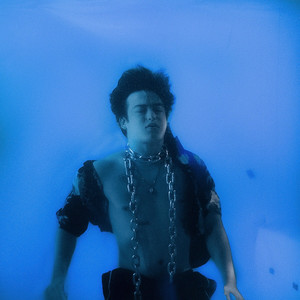
The biographical arc of the artist already anticipated this allegorical transformation. Before becoming the melancholic crooner of Slow Dancing in the Dark or Glimpse of Us, Joji was Filthy Frank: a character built out of digital trash, cringe, toxic humour, performative vomiting. Like Trump? His body was weapon, residue and joke. When he abandons that universe in 2017 citing health issues and stress, he reappears as a “serious” musician, inaugurating with In Tongues the transition toward a minimal, emotional, almost fractured language. That split is not anecdotal: his musical career can be read as a long metaphor of de-toxifying the online self. The man who once embodied excess now whispers from vulnerability; the grotesque performer becomes narrator of the after, of the quiet collapse, of the emotional hangover.
In Tongues opens a still tentative period, where the voice seems to babble more than it affirms. The title already announces that speech is broken: this is a Joji who has yet to master his new emotional language. With BALLADS 1, by contrast, his figure is fixed: the devastated young man who can’t sustain a relationship, trapped in a loop of guilt, self-destruction and melancholy. Slow Dancing in the Dark crystallises that aesthetic with almost painful clarity: a white suit stained with blood, a slow walk through the night, a body collapsing on a spotless floor. That blood doesn’t only mark romantic failure: it’s the insistent allegory of a trauma that never coagulates.
Slow Dancing in the Dark crystallises that aesthetic with almost painful clarity: it’s the insistent allegory of a trauma that never coagulates.
Tweet
With Nectar, the emotional palette changes and intensifies. Saturated red, lava, suffocating heat, volcanic metaphors compose a landscape where love is no longer simply loss but combustion. The album has been read as an existential journey, but its strongest key is allegorical: love as magma, sweet and corrosive, capable of crystallising and destroying in the same movement. When SMITHEREENS appears in 2022, that energy shatters. The title signals a shattered “I” exploding into tiny shards of the same emotional mirror. “Glimpse of Us” sets the definitive scene: a present dominated by the shadow of a past that refuses to withdraw. The person in front of you is only an echo, a partial reflection of another figure that won’t fully leave.
When SMITHEREENS appears in 2022, that energy shatters. The title signals a shattered “I” exploding into tiny shards of the same emotional mirror.
Tweet

The musical comeback of 2025 inaugurates the prelude to his next album, Piss in the Wind, scheduled for February 2026. The singles “PIXELATED KISSES,” “If It Only Gets Better” and “Past Won’t Leave My Bed” form a coherent triptych. In “PIXELATED KISSES,” intimacy appears deformed by a digital filter: affection arrives in low resolution, as if desire were made of noise and glitches. “If It Only Gets Better” —seemingly optimistic— hides the irony of emotional stagnation: if everything gets better, why doesn’t the wound close? Past Won’t Leave My Bed condenses the entire poetics into a single image: a bed where the past is an installed body, silent, illegitimately present, impossible to evict. A bed that in the video doesn’t even exist: instead, we get a disabled toilet off the highway, between rats and ageing predators.
Joji’s metamorphosis doesn’t just unfold in his images: his music also registers the dissolution of the self. His evolution as a singer and producer functions as a technical correlate of that passage from body to shadow. From In Tongues to Past Won’t Leave My Bed, his sound abandons bodily density (warm timbre, close mic, audible breathing) to migrate towards more ethereal registers, evaporated textures and vocals that merge with the atmosphere until they almost disappear. The entire sonic project is, in reality, a choreography of vanishing.

Joji begins with an intimate, almost whispered timbre, leaning on a short, trembling vibrato and a slightly flat intonation that is part of his aesthetic. In “Will He” and “Demons” you still hear him as a lo-fi R&B singer: narrow-range melodies, minimalist harmonies, heavy vocal compression, deliberate saturation and side-chain pumping in the lows. Sadness sounds like weight, like a damp presence. His voice still belongs to a body. In Slow Dancing in the Dark comes the first major technical leap: wider melodies, upward jumps that brush falsetto and a production that blends analogue synths with long reverbs that leave the voice suspended. That echo isn’t decorative: it’s the first sign of a subject who can no longer hold himself up. The voice floats, becoming spectral rather than simply emotive. The vocal technique —especially the shift from chest to head voice— mirrors the visual narrative of the romantic martyr: the body bleeds while the voice rises.
From “Test Drive” and “Run” onward, the music starts to detach itself from the singer’s body. Joji uses double-tracked vocals, harmonies recorded at very low volume, panned voices that simulate duplication. That technique —common in dream pop and alt-R&B— creates the sensation that Joji is not singing alone but accompanied by an unseen self. The vocal splitting is the sonic version of his visual ghost. In “Sanctuary,” the production layers spacey synths, bright pads and melodic lines inspired by retro synth-pop, as if the space-hero alter ego needed a zero-gravity soundscape. The voice is treated with soft auto-tune, not to correct but to give it an inhuman character. It sounds like a mask, a creature. What used to be intimate confession becomes the performance of a displaced subject.
The third stage —“Gimme Love,” “Your Man”— pushes dematerialisation even further. Fast, almost mechanical rhythmic patterns, hi-hats in sixteenth notes, synthesised bass lines that don’t breathe, arrangements that break the song into “movements”: these tracks stop trying to sound like “emotional life” and start sounding like processes. The voice sinks into the mix; it loses priority. It is the music of someone who is no longer in his body but in the friction between systems.
Then comes the absolute break: in “Glimpse of Us,” the voice returns to bare piano, but in a way completely different from early Joji. Vocal dynamics are minimal, almost without attack; the phrasing is broken; you hear air more than note. There is no production scaffolding: there is technical vulnerability. This nakedness is not a return home; it is an absence, as if the voice were the residue of a subject who no longer appears on screen. The voice becomes aura. In “Feeling Like the End” and “Die for You,” Joji sings with multiple layers of reverb, almost imperceptible doubles and a consistently wet mix in which the voice loses its edges and fuses with the instrumentation. The effect is clear: the voice ceases to be body and becomes climate. In “Ew,” piano and voice are foregrounded, but the production wraps them in an unusual spaciousness, as if they were inside an empty temple. It’s secular liturgical music: the voice officiates, it does not confess.
Then comes the absolute break: in “Glimpse of Us,” the voice returns to bare piano, but in a way completely different from early Joji. There is no production scaffolding: there is technical vulnerability.
Tweet
Finally, in Past Won’t Leave My Bed, his voice is reduced to a textured whisper, almost weightless. It’s so compressed and filtered it doesn’t sound like a throat: it sounds like processed breath. Joji doesn’t appear in the video because he no longer appears fully in the voice either: what sings is not a body, but an acoustic remainder. Here technique aligns with allegory: the man died, the echo remained. Very Ovidian.
Joji doesn’t just build a visual alter ego; he builds a sonic alter ego. A man who began singing from the flesh ends up singing from the fog. A subject who started with tight, almost spoken melodies ends up on the edge of falsetto, turned into vibration. His entire technical progression —unstable intonation, atmospheric mix, increasingly faint timbre, tendency to erase the contours of the voice— expresses the same thing as his visual language: the will to abandon the body, to become shadow, to exist only as a persistent trace in a world saturated with images and sounds that never die. Joji doesn’t just become a spectre on screen: he becomes a spectre in the music itself. He is the artist who found in vocal technique and production a way of saying: “I didn’t remain — what remained is what sounds after me.”
Joji doesn’t just become a spectre on screen: he becomes a spectre in the music itself. He is the artist who found in vocal technique and production a way of saying: “I didn’t remain — what remained is what sounds after me.”
Tweet
Here enters the dimension of the archive as ghost and the figure of the ruined male. The traditional masculine model —the man who asserts himself, progresses, conquers, advances— becomes unworkable in front of an archive that constantly reminds him of his personal failure. Joji embodies the perfect allegory: a man who cannot escape what he no longer is. Our memory is not neutral; it lives with us. It is not a mirror that reflects, it is a tomb that preserves what should already be dead. When we archive something, we fix it, and by fixing it we kill it. That’s why the archive is not memory but a sentence that returns again and again to remind you who you were. “The ghostly” is that which is not alive but acts; something we do not see but that organises our experience. In that sense, the archive is not “past” either: it is a brake on the future, because every time Joji tries to become something else, the ghost of what he did, said or performed appears and pushes him back toward that version of himself.
The archive is not “past” either: it is a brake on the future, because every time Joji tries to become something else, the ghost of what he did, pushes him back toward that version of himself.
Tweet
Classical masculinity was built by accumulating —experience, power, authority— but the masculinity Joji stages works the other way around: it is made of what cannot be erased. His life does not advance by what he gains but by what haunts him. That’s why his biography doesn’t look like a timeline, but like an open cemetery: a pile of versions of himself that never rest, that follow him, that set his pace. For Gordon, what isn’t resolved insists; for Derrida, the archive demands obedience. For Joji, there is simply no way to invent a future while the ghosts have the last word. Hence his figure appears as ruin: a collapsed structure on which shadows are still projected. An identity that can no longer stand because it is literally taken over by spectres that won’t allow progress. An affective life undermined by the repetition of images, gestures, mistakes. A personal history turned into permanent evidence. Joji is the contemporary male whose life is seized by digital ghosts that prevent him from reinventing himself. But there is a deeper fold that ties this sensitive world to an older moral regime: Catholic guilt. What Joji lives is not only the presence of the past; it is the logic of remembered sin, the impossibility of redemption, the constant surveillance of the “I” that failed and cannot start with a clean slate: a liturgy of repentance without absolution.
What Joji lives is not only the presence of the past; it is the logic of remembered sin, the impossibility of redemption, the constant surveillance of the “I” that failed
Tweet
From there comes the final twist: Joji is no longer just a wounded man; he is a ghost in the machine. He doesn’t live inside the archive: he is the archive. His identity is not that of the penitent seeking forgiveness but that of the dead man still circulating online, artificially preserved, repeating himself as an echo. More than a ruin, he is animated residue: a bodiless soul trapped in the infinite logic of digital reproduction. And yet, his singing contains a kind of post-mortem ecstasy. His melancholy is not only despair but a twisted form of hope: the couple —always idealised, always lost— functions as a pop version of Catholic paradise, a place where guilt would finally stop and where he could at last be “new.” Joji doesn’t sing to love; he sings to salvation. He doesn’t sing to a woman; he sings to impossible absolution. He doesn’t sing from life; he sings from a digital beyond where the only thing that persists is a desire for purity that no longer matches his body. The tragedy condenses in a single question: does Joji already know he’s dead and yet keeps searching, in the aesthetics of pain, for the promise of an eternal marriage that never arrives? That’s the whole point: he is a ghost singing as if he could still be loved.
Cheap cameras, pixelation, glitches, VHS material all introduce the idea that memory is always defective, blurry, poorly preserved. And the constant movement —night races, highways, corridors, escapes— produces estrangement: every body seems to move, but none actually gets anywhere. It is the visual translation of rumination: moving without moving on. Within this framework, the bed in Past Won’t Leave My Bed becomes one of the most powerful symbols in his work. It is the space where the self should be authentic, where rest should exist, where the body should be safe. But in Joji, the bed is toxic memory. There coexist the ex who cannot be forgotten, the broken relationships, the mistakes caught on video, the remains of the YouTube character, the memes that spun out of control, the traumas burned into the public retina, the contribution to a culture that ended up producing ICE. The bed, in Joji, is no longer a place of rest but the theatre of lament.
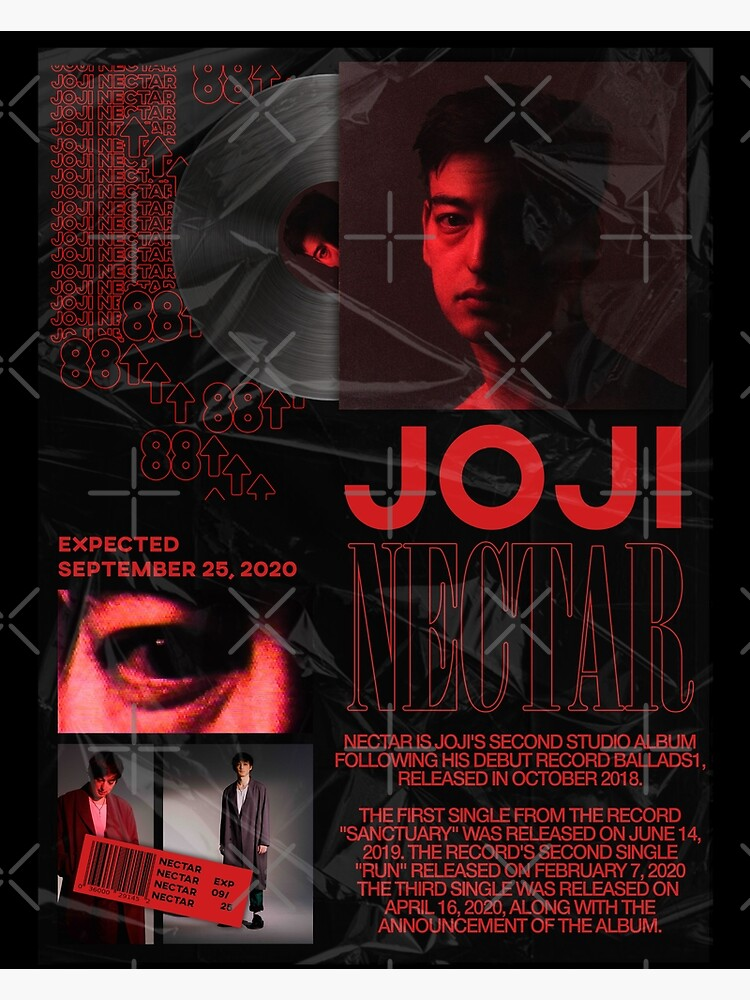
With Past Won’t Leave My Bed, Joji stops being just the most successful “sadboy” of alternative pop and consolidates himself as something deeper: the elegiac specialist in translating the sentimental grief of a generation that was never able to disconnect. There, between the tear and the glitch, Joji finds his truest voice: that of someone who knows that even when you turn off the light, the archive keeps glowing in the dark. Sleep? Only when the past and the present finally leave the bed. And that —in Joji’s universe— will never happen.
With Past Won’t Leave My Bed, Joji stops being just the most successful “sadboy” of alternative pop and consolidates himself as something deeper: the elegiac specialist in translating the sentimental grief of a generation that was never able to disconnect.
Tweet


 Loveartnotpeople.blog
Deja una respuesta