FOR THE ENGLISH VERSION SCROLL DOWN THIS ARTICLE
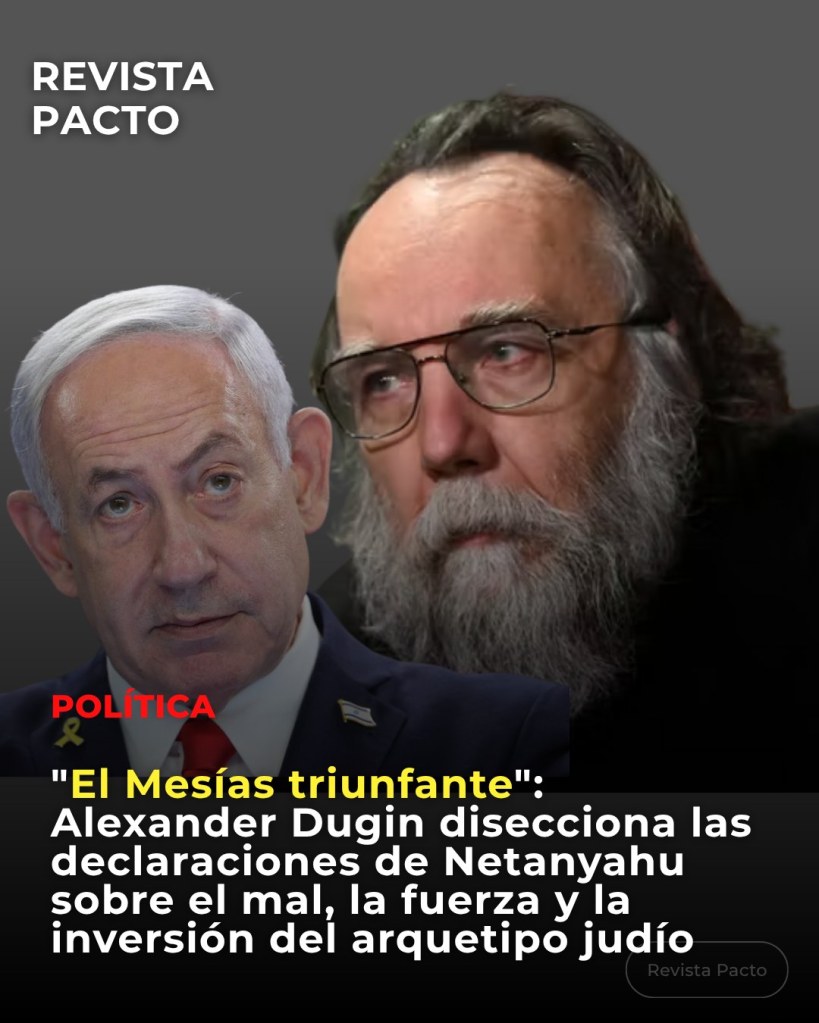
Esta semana, el filósofo ruso y asesor de Putin, Alexander Dugin comentó declaraciones atribuidas al primer ministro israelí Benjamin Netanyahu que, para él, son un desplazamiento teológico profundo: el abandono del arquetipo del “Mesías sufriente” y su reemplazo por el “Mesías triunfante”.
Tweet
El punto de partida del análisis publicado por la revista Pacto es la lectura que el filósofo ruso Alexander Dugin hace de unas declaraciones atribuidas al primer ministro israelí Benjamin Netanyahu. Para Dugin, esas palabras no constituyen una simple afirmación política, sino un desplazamiento teológico profundo: el abandono del arquetipo del “Mesías sufriente” y su reemplazo por el “Mesías triunfante”. Según esta interpretación, el liderazgo israelí estaría dejando atrás la identidad histórica del pueblo perseguido —figura que Dugin asocia tanto a Jesucristo como a las víctimas del Holocausto— para asumir abiertamente la lógica del poder victorioso, donde la legitimidad no proviene de la moral sino de la fuerza. La frase atribuida a Netanyahu, en la que la superioridad moral de Jesucristo no tendría ventaja frente a la eficacia brutal de Gengis Kan, se convierte así en el núcleo conceptual del argumento: la política contemporánea ya no estaría regida por el bien, sino por la capacidad de imponerse.
La frase atribuida a Netanyahu, en la que la superioridad moral de Jesucristo no tendría ventaja frente a la eficacia brutal de Gengis Kan, se convierte así en el núcleo conceptual del argumento: la política contemporánea ya no estaría regida por el bien, sino por la capacidad de imponerse.
Tweet
A partir de allí, Dugin radicaliza la lectura y sostiene que este cambio implica una inversión completa del arquetipo histórico del judaísmo. El mundo, afirma, ya no seguiría a los judíos por compasión hacia la víctima, sino por temor frente a un poder capaz de destruir a sus enemigos. En esta narrativa, el judío deja de ser el perseguido para transformarse en el cazador, y el Mesías deja de ser la figura sacrificial para convertirse en el soberano victorioso. La clave de esta mutación estaría, según Dugin, en el paso del Mesías ben Yossef al Mesías ben David: del redentor que sufre y muere al que gobierna y triunfa. El resultado sería una transformación no sólo política sino simbólica de la identidad judía, que dejaría de fundarse en la memoria del sufrimiento para basarse en la afirmación del poder.
La clave de esta mutación estaría, según Dugin, en el paso del Mesías ben Yossef al Mesías ben David: del redentor que sufre y muere al que gobierna y triunfa. El resultado sería una transformación no sólo política sino simbólica de la identidad judía,
Tweet
Dugin refuerza esta interpretación vinculando el supuesto giro ideológico de Netanyahu con la tradición del sionismo revisionista de Zeev Jabotinsky. Según esta lectura, el “estilo Jabotinsky” implicaría la aceptación explícita de la fuerza militar como fundamento del Estado y la renuncia a cualquier legitimidad basada en la compasión internacional. La referencia posterior a la idea de convertir Israel en una “súper Esparta” funcionaría, dentro de este marco, como confirmación simbólica de ese desplazamiento: Israel ya no sería la nación que apela a la memoria del sufrimiento, sino una potencia militar autosuficiente que exige obediencia.
Según esta lectura, el “estilo Jabotinsky” implicaría la aceptación explícita de la fuerza militar como fundamento del Estado y la renuncia a cualquier legitimidad basada en la compasión internacional.
Tweet
Sin embargo, el interés de esta postura no reside tanto en su precisión factual como en su estructura conceptual. Dugin no está describiendo únicamente la política israelí; está construyendo una teología del poder contemporáneo. En su lectura, el paso del Mesías sufriente al triunfante no es exclusivo de Israel, sino síntoma de una mutación global donde la legitimidad moral cede ante la soberanía desnuda. La política deja de organizarse en torno a la justicia y pasa a definirse por la capacidad de dominar. El “Mesías triunfante” no es, en ese sentido, una figura religiosa sino una metáfora de la soberanía absoluta.
Dugin no está describiendo únicamente la política israelí; está construyendo una teología del poder contemporáneo. En su lectura, el paso del Mesías sufriente al triunfante no es exclusivo de Israel, sino síntoma de una mutación global donde la legitimidad moral cede ante la soberanía desnuda
Tweet
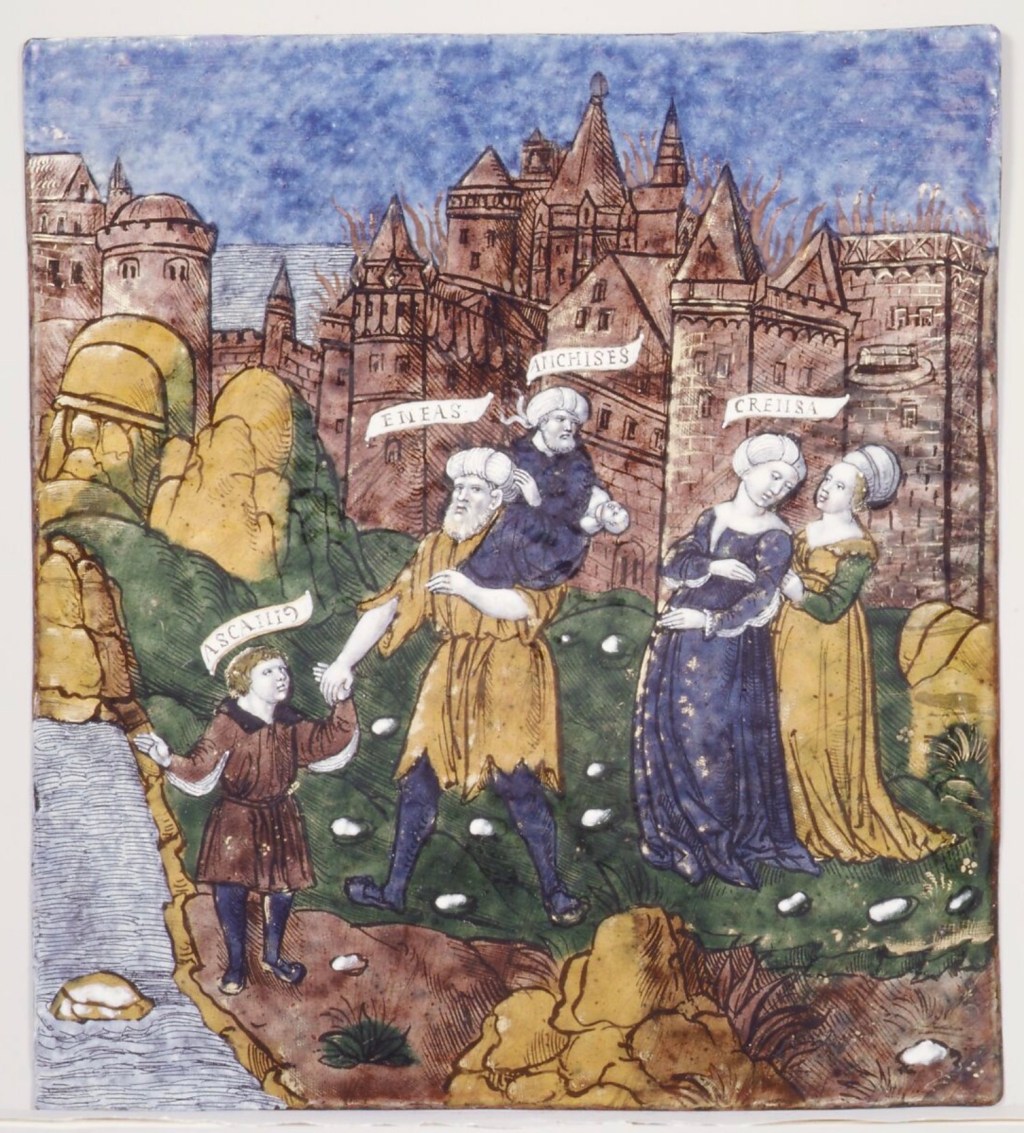
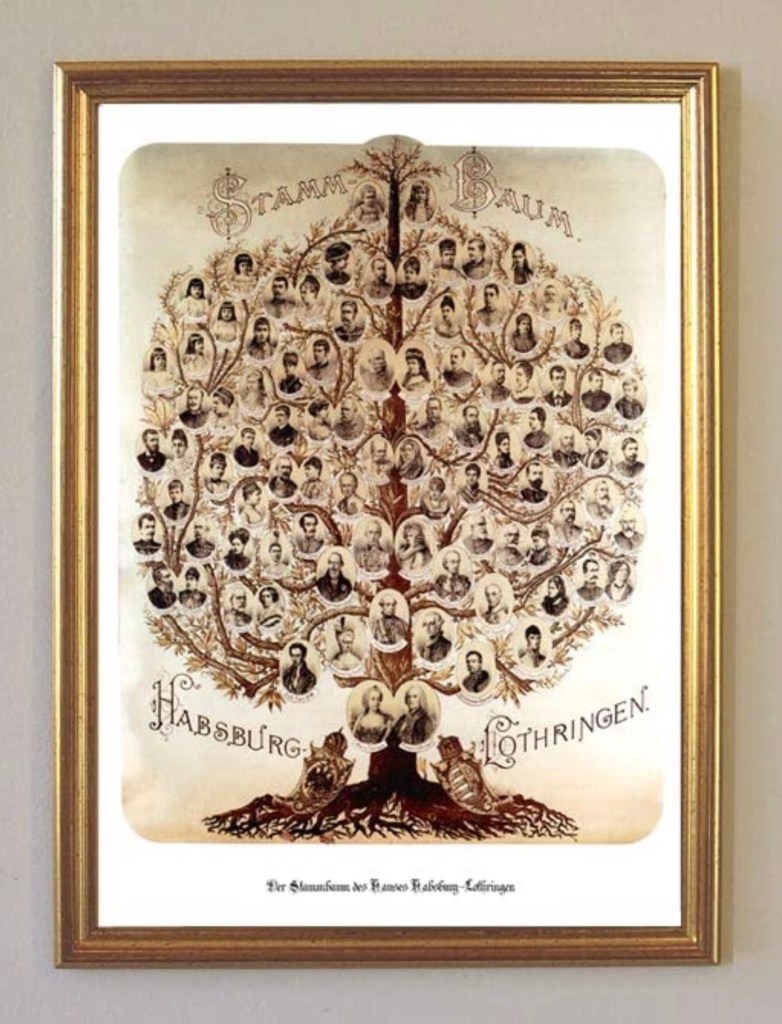
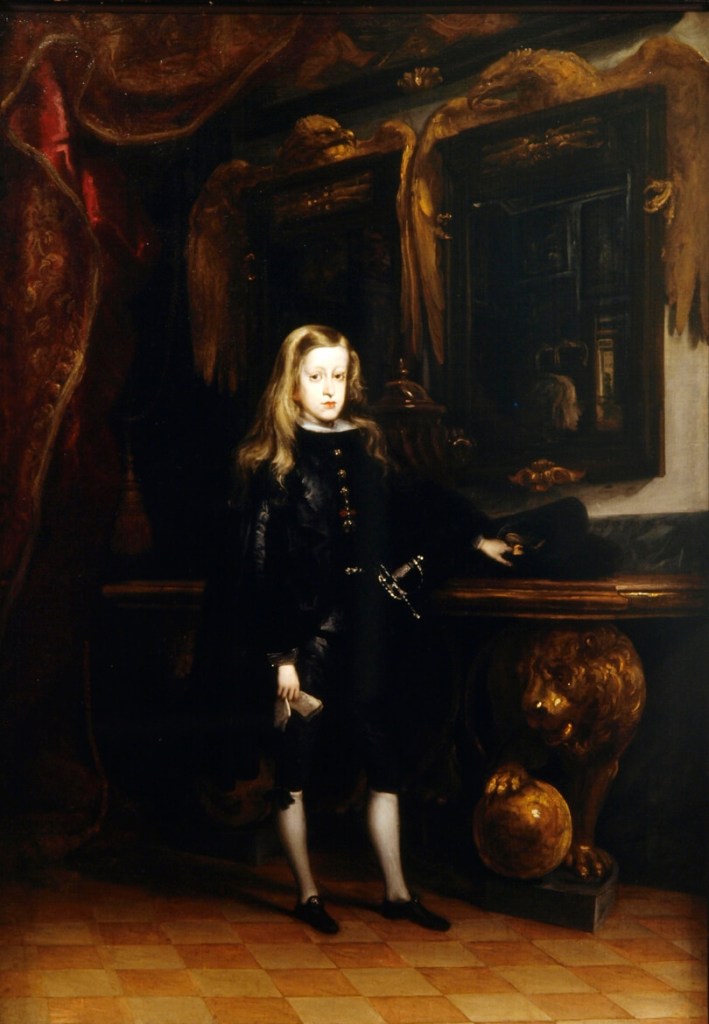
Pero, la evidencia histórica muestra que Dugin deforma la teología ya que los grandes proyectos imperiales no operan sustituyendo un arquetipo por otro, sino acumulando genealogías. En el caso de los Habsburgo, la identificación con Eneas —el sobreviviente de la destrucción de Troya— no desaparece cuando el imperio alcanza su máxima expansión; al contrario, se convierte en el fundamento de su autoridad. El poder triunfante necesita conservar la memoria del sufrimiento para legitimar su dominio. La genealogía imperial se construye precisamente sobre esa tensión entre derrota originaria y victoria final.
Pero, la evidencia histórica muestra que lo de Dugin es una deformación antisemita ya que los grandes proyectos imperiales no operan sustituyendo un arquetipo por otro, sino acumulando genealogías. En el caso de los Habsburgo, la identificación con Eneas no desapareció cuando el imperio alcanza su máxima expansión; al contrario, se convirtió en el fundamento de su autoridad.
Tweet

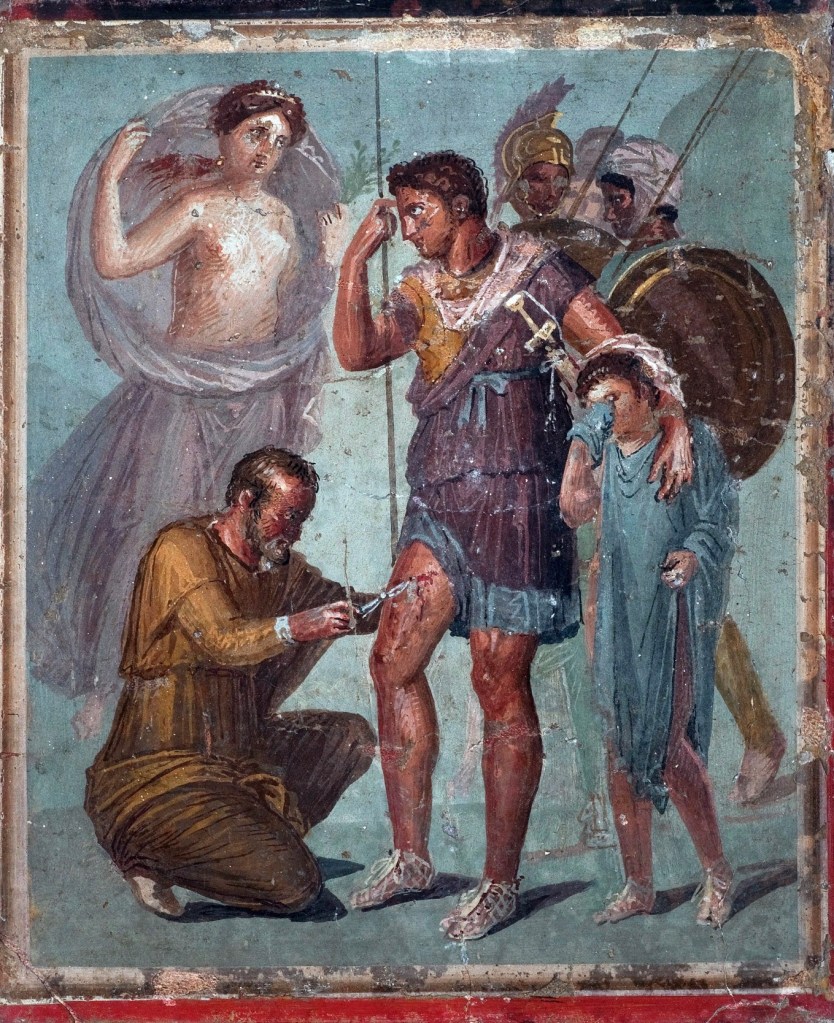
El de los Habsburgo fue un mecanismo opuesto al de la “inversión” que propone Dugin y no hubo nada mas Cristiano que el imperio Habsurgo que no abandonó la figura del sufriente sino que la incorporó. Eneas es simultáneamente víctima y fundador. La caída de Troya no se borra, sino que legitima la expansión romana y, posteriormente, la pretensión universal de los Habsburgo. La autoridad imperial surge de haber sobrevivido al desastre y haberlo transformado en destino histórico. No hay reemplazo del arquetipo, sino superposición.
El de los Habsburgo fue un mecanismo opuesto al de la “inversión” que propone Dugin y no hubo nada mas Cristiano que el imperio Habsurgo que no abandonó la figura del sufriente sino que la incorporó. Eneas es simultáneamente víctima y fundador.
Tweet
Esta diferencia es crucial para leer el presente. Si se acepta la tesis de Dugin, el mundo estaría ante una ruptura radical: el paso de una identidad basada en el sufrimiento a otra fundada exclusivamente en la fuerza. Pero la lógica imperial sugiere algo distinto. El poder contemporáneo no elimina el arquetipo de la víctima; lo reconfigura y lo instrumentaliza. La memoria del sufrimiento sigue funcionando como legitimación incluso cuando la política adopta una forma abiertamente militarizada. La supuesta “inversión” sería, más bien, una reorganización estratégica de símbolos.
En este sentido, la lectura de Dugin revela más sobre su propia concepción del poder que sobre la política israelí. Su marco teológico necesita una ruptura clara entre dos figuras mesiánicas para producir una narrativa escatológica del conflicto global. Pero la historia imperial muestra que el poder duradero nunca se apoya en un único arquetipo. Siempre combina victimización y dominación, memoria y fuerza, sufrimiento y triunfo. La eficacia política surge precisamente de esa ambivalencia.
La comparación con el caso Habsburgo permite entonces desplazar el problema. Lo inquietante no sería la aparición del “Mesías triunfante”, sino la creciente naturalización de una política que ya no necesita resolver la tensión entre moral y poder. Los arquetipos no se sustituyen; se vuelven intercambiables. El líder puede hablar como víctima y actuar como conquistador sin que esa contradicción debilite su legitimidad. Esa plasticidad simbólica, más que cualquier inversión mesiánica, define la lógica contemporánea del poder.
Si querés profundizar este debate y trabajarlo con herramientas más rigurosas, podés sumarte como miembro del canal de YouTube. Ahí tenés acceso a más de 200 videos organizados como cursos de historia del arte y crítica cultural, pensados no como contenido suelto sino como un archivo sistemático para estudiar en serio. En particular, dentro del curso De El Greco a Velázquez voy a abrir un apartado específico dedicado a los últimos descendientes de Eneas —los Habsburgo— y su articulación con las corrientes del misticismo judío desde el siglo XVI hasta el presente. Es ahí donde estas tensiones entre teología, poder e imagen dejan de ser abstracciones y se vuelven legibles en términos históricos concretos. Unite a este canal
https://www.youtube.com/channel/UC8VlXkKPD8xnqVdpUn3-ZIw/join
Israel as “THE New Sparta”? Christopher Columbus as “THE New Aeneas” MIGHT BE THE Antidote to Vladimir Putin’s Antisemitic Propaganda
The starting point of this debate is the interpretation offered by the Russian philosopher Alexander Dugin of statements attributed to Israeli Prime Minister Benjamin Netanyahu. For Dugin, this is not merely another political intervention but a large-scale theological displacement: the abandonment of the archetype of the “suffering Messiah” — associated both with Jesus Christ and with the modern figure of the persecuted Jew — and its replacement by the “triumphant Messiah,” understood as sovereignty legitimized by force. The formulation attributed to Netanyahu, in which the moral superiority of Christ offers no advantage over the effectiveness of Genghis Khan, functions in Dugin’s reading as the condensation of this shift. Politics would no longer be grounded in moral legitimacy but in the capacity to impose power.
The starting point of this debate is the interpretation offered by the Russian philosopher Alexander Dugin of statements attributed to Israeli Prime Minister Benjamin Netanyahu. For Dugin, this is not merely another political intervention but a large-scale theological displacement: the abandonment of the archetype of the “suffering Messiah” and its replacement by the “triumphant Messiah,” understood as sovereignty legitimized by force.
Tweet
Dugin radicalizes this interpretation by arguing that such a shift implies a symbolic inversion of Jewish identity itself. The world, he suggests, would no longer follow the Jews out of compassion for historical suffering but out of fear and reverence toward power. The persecuted becomes the pursuer; the sacrificial figure becomes the sovereign; the suffering Messiah gives way to the victorious ruler. In theological terms, Dugin frames this as a passage from Messiah ben Yosef to Messiah ben David — from a redemptive figure marked by sacrifice to one defined by dominion. The transformation is therefore not merely geopolitical but archetypal: a change in the symbolic grammar through which power is justified.
Dugin reinforces this claim by linking Netanyahu’s supposed shift to the legacy of Zeev Jabotinsky and the revisionist Zionist tradition. In this narrative, the embrace of military strength and the rejection of compassion as a source of legitimacy mark a conscious break with the politics of vulnerability. References to transforming Israel into a “super-Sparta” become, in this framework, emblematic rather than incidental: Israel would cease to be a nation grounded in memory of suffering and instead present itself as a self-sufficient military civilization demanding obedience.
Dugin reinforces this claim by linking Netanyahu’s supposed shift to the legacy of Zeev Jabotinsky and the revisionist Zionist tradition. In this narrative, the embrace of military strength and the rejection of compassion as a source of legitimacy mark a conscious break with the politics of vulnerability. References to transforming Israel into a “super-Sparta” become, in this framework, emblematic rather. But…
Tweet
Yet the analytical value of Dugin’s position lies less in its empirical accuracy than in its conceptual structure. What he is proposing is not simply a critique of Israeli politics but a theology of power for the present. The transition from suffering Messiah to triumphant Messiah becomes a metaphor for a broader global mutation: legitimacy no longer emerges from justice but from dominance. The victorious figure does not claim moral superiority; it demands submission. In this sense, Dugin’s reading transforms contemporary geopolitics into a symbolic struggle between archetypes, where sovereignty replaces ethics as the organizing principle.
Dugin’s reading transforms contemporary geopolitics into a symbolic struggle between archetypes, where sovereignty replaces ethics as the organizing principle.
Tweet
This is precisely where the comparison with Habsburg imperial iconography shows that durable power does not operate by replacing one archetype with another but by accumulating them. The figure of Aeneas — the survivor of Troy, marked by loss and exile — remains central even when imperial power reaches its height. The empire legitimizes itself not by abandoning suffering but by integrating it into a narrative of destiny. Victimhood and triumph coexist within the same symbolic structure.
This is precisely where the comparison with Habsburg imperial iconography shows that durable power does not operate by replacing one archetype with another but by accumulating them. The figure of Aeneas — the survivor of Troy, marked by loss and exile — remains central even when imperial power reaches its height.
Tweet
This distinction matters. Dugin’s model depends on a clean inversion: the victim becomes the conqueror, the suffering Messiah becomes the triumphant one. Tanner, by contrast, demonstrates that imperial power functions through simultaneity. The memory of catastrophe becomes the foundation of sovereignty. The fall of Troy authorizes Rome; Rome authorizes the Habsburg claim to universal empire. The survivor becomes the ruler not by rejecting suffering but by transforming it into legitimacy. Power does not erase the past; it absorbs it.
Read through this lens, the contemporary situation appears less as an inversion and more as a recomposition. The language of trauma does not disappear when power becomes assertive; it is redeployed. Memory and force coexist, sometimes uneasily, within the same political narrative. The archetypes do not replace one another; they become interchangeable tools. The leader can speak as victim and act as conqueror without dissolving legitimacy. That symbolic plasticity — rather than the arrival of a “triumphant Messiah” — is what defines the current moment.
The danger, therefore, is not the emergence of a new archetype but the normalization of a politics that no longer requires coherence between moral language and the exercise of power. The theological vocabulary invoked by Dugin dramatizes this shift but also risks obscuring it. History suggests that empires do not choose between suffering and triumph; they mobilize both. The contemporary world seems to be moving toward precisely that unstable synthesis, where legitimacy emerges from the ability to inhabit contradictory symbols simultaneously.
© Dr. Rodrigo Cañete. All rights reserved.

 Loveartnotpeople.blog
Deja una respuesta