Roll down to the bottom of this post for the English version
Es la historia del arte, análisis visual o una experiencia sensorial?

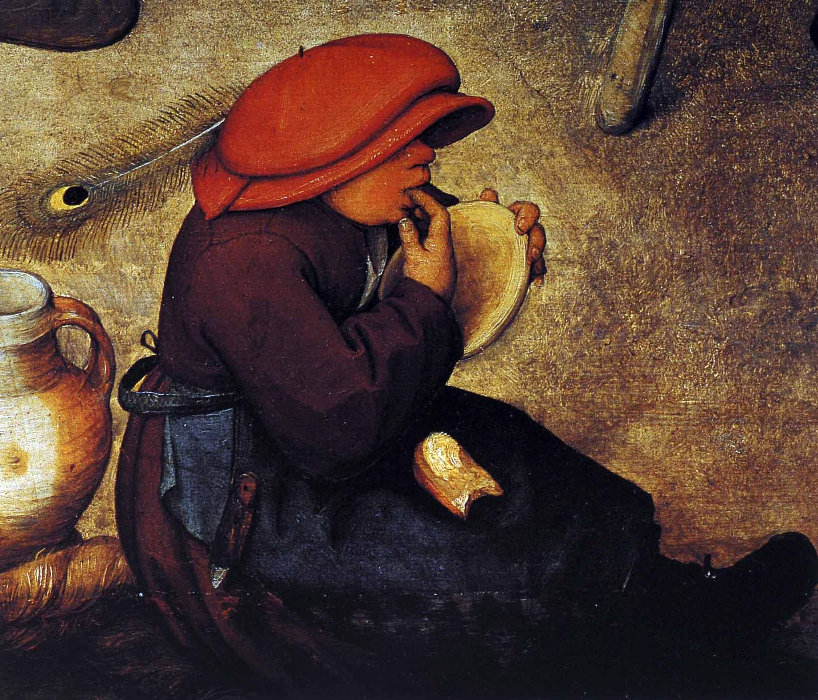
Durante siglos, la historia del arte ha buscado en las imágenes un mensaje: una moraleja, una advertencia, una narrativa codificada en color y composición. Bajo esa lógica, incluso la alegría de los campesinos en, por ejemplo, La danza nupcial de Pieter Bruegel fue leída como un mensaje moral. Ni siquiera como eso sino como una condena moral a los sujetos representados. Pero ¿y si las imágenes no tienen mensaje? ¿Y si su poder residiera justamente en lo que muestran, no en lo que simbolizan?¿Es posible el arte sólo para el disfrute?
La danza nupcial de Pieter Bruegel fue leída como un mensaje moral. Ni siquiera como eso sino como una condena moral a los sujetos representados. Pero ¿y si las imágenes no tuvieran mensaje?¿Es posible el arte sólo para el disfrute?
Tweet
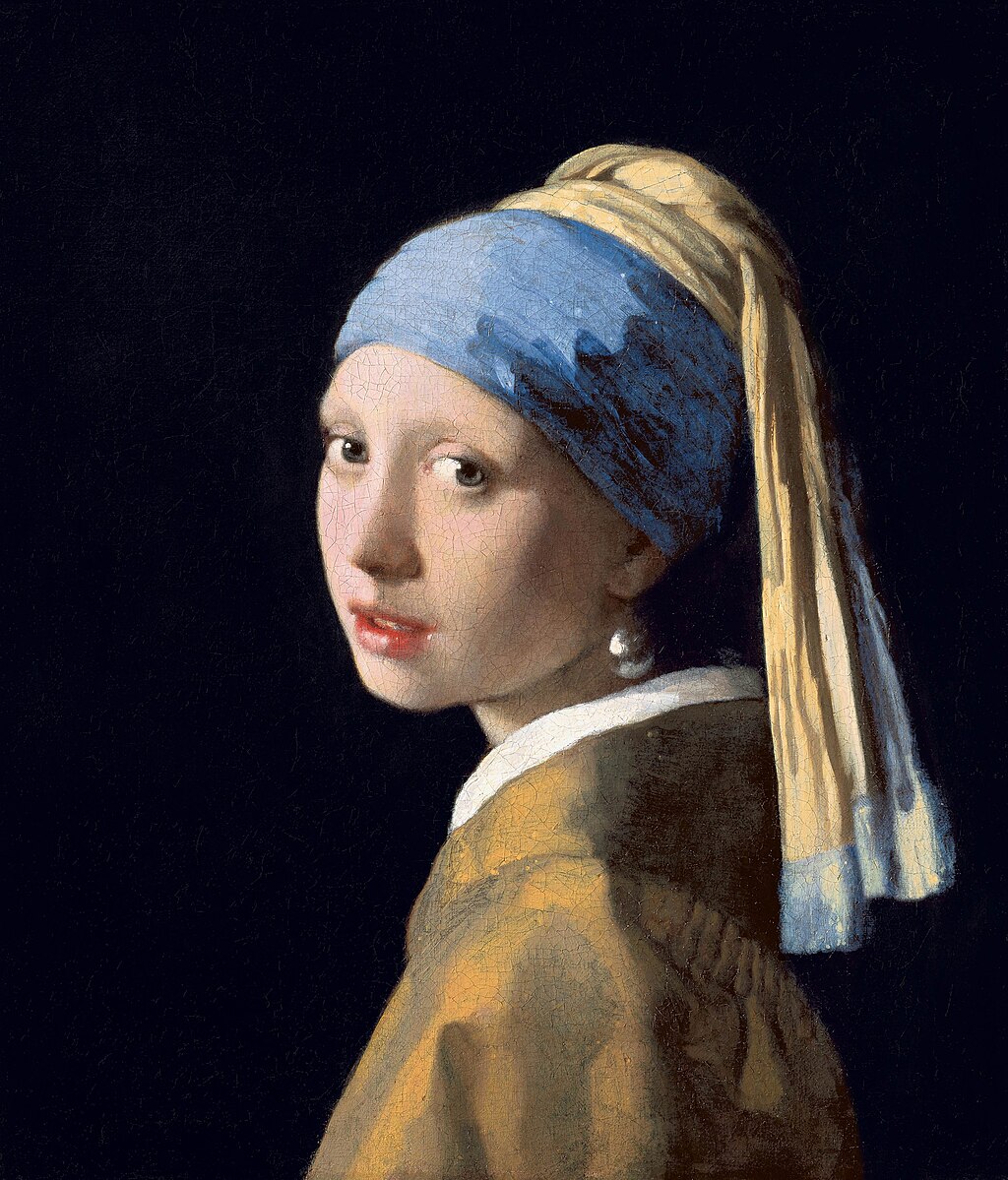
Lo que parece una pregunta estúpida es, en realidad, algo que atraviesa gran parte de la reflexión crítica contemporánea sobre el arte: ¿qué se pierde cuando forzamos a las imágenes a hablar y ser nosotros los traductores de ese monólogo al texto? La pintura holandesa del siglo XVII, por ejemplo, rara vez cuenta historias. Es lo que es. No dramatiza, observa. En lugar de narrar, describe. Allí, el saber no se presenta como relato, sino como superficie, como materia, como luz. Se matan buscando símbolos en Johannes Vermeer pero la Joven con el aro de perlas es eso, una joven con una aro de perlas. En lugar de predicar sobre teoría, moral, religión o lo que fuere, esas imágenes piden nuestra atención o más bien, la ofrecen. En lugar de virtud, lo que, realmente ofrecen, es precisión.
La Pintura como Teatro del Alma Humana….Error!
La historia del arte, como disciplina, nació a partir de una imagen ideal: la pintura italiana como teatro del alma humana. Desde allí se diseñaron herramientas analíticas, categorías de estilo, claves iconográficas y jerarquías visuales. Pero ese modelo no puede aplicarse a todo y ese ha sido el error. A veces, el arte no tiene centro. A veces no hay mensaje, sino que es simple algo más en el mundo.
A veces, el arte no tiene centro. A veces no hay mensaje, sino que es simple algo más en el mundo.
Tweet
Pensar desde la imágen y no desde la palabra require coraje y, a gente como yo, le demanda correrse: abandonar la tentación de reducir cada obra a un código moral, político o simbólico. Esto no significa renunciar a la crítica o a la historia social, sino restituir al acto de mirar su poder como forma de conocimiento. Mirar no tiene, necesariamente, que ser interpretación: es, también, retrasarse en nuestra agenda, registrar lo vivido, ser afectados. Hay dos prácticas que se perdieron durante el último siglo que son la conversación y la escritura de diarios personales que permiten eso. Verse, sin más.
Pensar desde la imágen y no desde la palabra require coraje y, a gente como yo, le demanda correrse: abandonar la tentación de reducir cada obra a un código moral, político o simbólico.
Tweet
Cuando una pintura resiste la traducción en palabras no es porque sea opaca, sino porque opera en otro registro. Pero cuál? El de la no explicación: el de la confrontación. Como la luz sobre la balanza vacía que sostiene la mujer de Vermeer, el sentido está en la calibración, no en el juicio que hacemos o que hace sobre esa acción. El arte, entonces, no nos indica siempre qué pensar sino, y esto es lo importante, nos obliga a mirar. Y mirar es algo complicado para, por ejemplo, aquellos que fuimos criados bajo Dictaduras donde mirar podía comprometernos. Tal vez necesitamos volver a aprender a mirar.
Quizás por eso, en tiempos donde la moral se impone como lectura única, mirar con atención—mirar sin saber de antemano qué ver—sea una forma de resistencia. Las imágenes no son sermones. Y la historia del arte no tiene por qué serlo tampoco. Nada eso.
What if art meant nothing?
Is art history visual analysis or a sensory experience?

For centuries, art history has searched for a message in images: a moral lesson, a warning, a narrative encoded in color and composition. Under this logic, even the joy of the peasants in, say, The Wedding Dance by Pieter Bruegel has been read as a moral message—not even a message, but a moral condemnation of the subjects depicted.
But what if images hold no message? What if their power lies precisely in what they show, not what they symbolize? Is art possible solely for enjoyment?
Tweet
What sounds like a stupid question is actually at the heart of much contemporary critical reflection on art: what is lost when we force images to speak and appoint ourselves as the translators of their monologue into text? Dutch painting from the 17th century, for instance, rarely tells stories. It is what it is. It doesn’t dramatize—it observes. Rather than narrate, it describes. There, knowledge is not presented as narrative, but as surface, as matter, as light. People obsess over hidden symbols in Johannes Vermeer, yet Girl with a Pearl Earring is just that—a girl with a pearl earring. Instead of preaching about theory, morality, or religion, those images ask for our attention—or rather, they offer it. They offer not virtue, but precision.
Art history as a discipline was born from an ideal image: Italian painting as the theatre of the human soul. From there, analytical tools, style categories, iconographic keys, and visual hierarchies were designed. But that model doesn’t apply to everything—and that has been the mistake. Sometimes art has no center. Sometimes there is no message. It’s just another thing in the world.
Sometimes art has no center. Sometimes there is no message. It’s just another thing in the world.
Tweet
Thinking from the image rather than from the word takes courage and, for people like me, a shift: resisting the urge to reduce every work to a moral, political, or symbolic code. This doesn’t mean abandoning criticism or social history, but rather restoring to the act of looking its power as a form of knowledge. Looking does not necessarily mean interpretation. It can also mean slowing down our agenda, registering what is lived, being affected. Two practices that were lost over the last century—conversation and journal writing—enabled precisely that. To see oneself, no more, no less.
When a painting resists translation into words, it is not because it is opaque, but because it operates in another register. Which one? The register of non-explanation—the register of confrontation. Like the light falling on the empty balance held by Vermeer’s woman, meaning lies in calibration, not in the judgment we impose on the action. Art doesn’t always tell us what to think but, more importantly, it compels us to look. And looking is complicated, especially for those of us raised under dictatorships, where looking could endanger us. Perhaps we need to relearn how to look.
Maybe that’s why, in times where morality is imposed as the only valid reading, to look attentively—to look without knowing beforehand what to see—might be a form of resistance. Images are not sermons. And art history doesn’t have to be one either. None of that.
Cliqueá en la Imágen para ser miembro pago



 Loveartnotpeople.blog
Deja una respuesta