
El hematoma subdural de Navarro y otras crónicas del enemigo interno: Violencia simbólica, sátira crítica y los nuevos lenguajes del poder en la Argentina de Milei
El paso hacia el abismo
El 21 de abril de 2025, Roberto Navarro fue atacado por la espalda mientras estaba reunido con socios de sus empresas en un hotel de Buenos Aires. El agresor lo golpeó en la cabeza con tal violencia que le provocó un hematoma subdural. Navarro —periodista, director de El Destape, figura incómoda incluso para quienes alguna vez fueron sus aliados— está hoy internado, con dificultades para hablar y bajo estricta observación médica. El hecho ocurrió días después de que el presidente Javier Milei escribiera que “la gente no odia lo suficiente a estos sicarios con credencial”. No fue casual. Fue una escena anunciada.

Roberto Navarro fue atacado por la espalda con tal violencia que le provocó un hematoma subdural en la cabeza tras que Milei escribiera que “la gente no odia lo suficiente a estos sicarios con credencial”. No fue casual. Fue una escena anunciada.
Tweet
Pero para entender este presente no alcanza con señalar al mileísmo. Antes de que llegaran los golpes, existió una maquinaria discursiva diseñada para excluir, disciplinar y neutralizar toda disidencia. Me refiero al progresismo kirchnerista y su uso sistemático del concepto de “odio” como dispositivo de cancelación. Yo fui uno de los blancos pioneros de esa lógica.
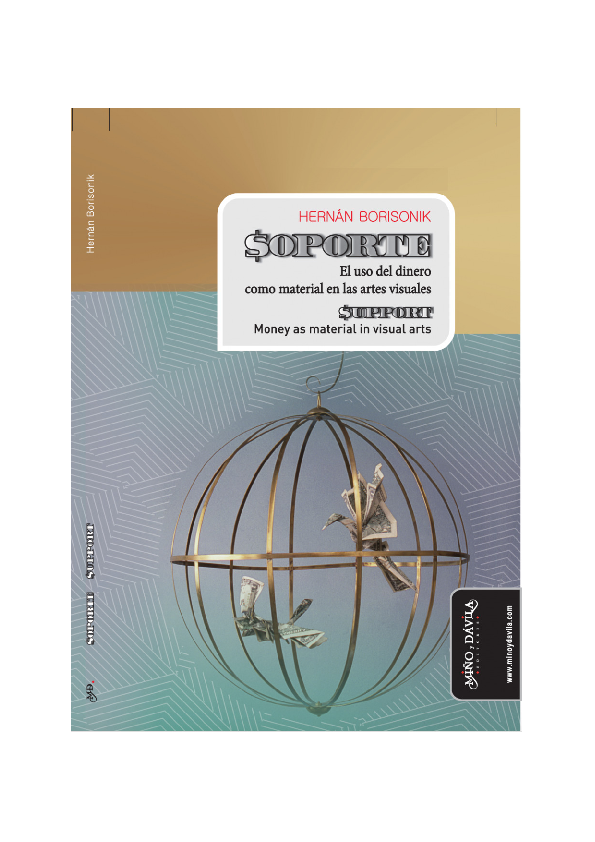
En el 2017, el CONICET publicó el libro “El dinero como material artístico”, donde el curador Federico Baeza me acusó de “chantaje” y “explotación”, sin ninguna evidencia. Se utilizó el aparato estatal para demonizar, no para debatir.
Tweet
El abuso de la palabra ‘Odio’; hoy los enmudece
En 2013, la revista Ñ publicó una editorial titulada La estética del odio, donde se me acusaba, sin prueba alguna, de fomentar el resentimiento social desde mi blog LoveArtNotPeople. Fui retratado como un “esteta cruel y sanguinario”, un “personaje patológico”. Mi crítica al campo artístico progresista fue leída como desviación moral, no como argumento político. Años después, en 2017, el CONICET publicó el libro El dinero como material artístico, donde el curador Federico Baeza me acusó de “chantaje” y “explotación”, sin ninguna evidencia. Se utilizó el aparato estatal para demonizar, no para debatir. Eso es fascismo en nombre de lo marginal. Luego Página 12 con Liliana Viola a la cabeza del Suplemento Soy (Queer) me llamó “sidoso” y justificó la censura Neo-colonial de Maricarmen Ramirez al no pagarme el premio que me gané con excelencia académica, en buena ley. Lo hizo porque le impedí exportar el Mural de Siqueiros diez años antes. Las feministas argentinas no se quedaron ahi sino que avanzaron en el ataque como una banda de lobas tratando de dejarme sin trabajo en Inglaterra enviando mails anónimos a la universidad en la que trabajo en UK.
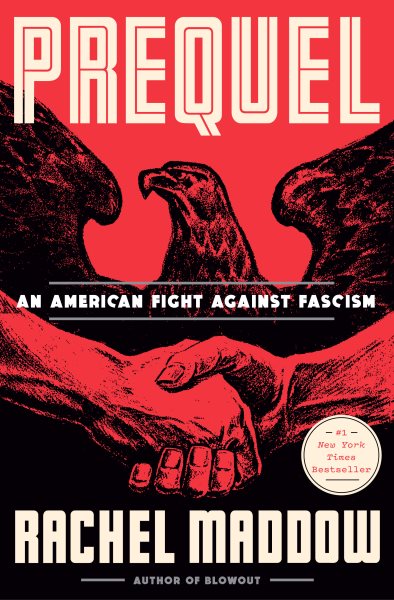
En Estados Unidos, el periodismo serio usa la risa como parte del contrato cultural. Rachel Maddow ridiculiza a Trump en prime time sin necesidad de adoptar una postura “ética” ni de hacerse pasar por el alma del pueblo.
Tweet
Sin embargo, mi intervención no se inscribía en el odio sino en una tradición crítica mucho más antigua: la sátira menipea, el sarcasmo como forma de desarticulación del poder. Como Rabelais, Quevedo, Swift o Bernhard, mi escritura no busca complacer, sino exhibir el ridículo del sistema que se presenta como virtuoso. El problema nunca fue el tono: fue el lugar desde donde hablaba.

Frente al Horror: Moralización o Comedia?
En Estados Unidos, ese tono es parte del contrato cultural. Rachel Maddow ridiculiza a Trump en prime time sin necesidad de adoptar una postura “ética” ni de hacerse pasar por el alma del pueblo. Mientras los demócratas encarnan el institucionalismo impotente, los medios hacen el trabajo más eficaz: señalar la farsa. En cambio, en Argentina, los progresistas hacen de la ética un espectáculo. Navarro y El Destape no informan: moralizan. Dicen criticar al poder, pero intervienen abiertamente en la interna kirchnerista a favor de Kicillof. Lo presentan como ética, pero es estrategia. Y la pobreza, en su narrativa, aparece menos como problema material que como excusa para legitimar su lugar simbólico. Además, se arrogan la voz de los otros. Son blancos universitarios de la UBA que se presentan como portavoces de los pobres. No habilitan voces: las reemplazan. No crean comunidad: administran una imagen de pueblo desde los estudios de televisión. Y cuando alguien cuestiona esa estética de la representación —cuando uno dice que el rey está desnudo— la respuesta no es crítica: es cancelación.
Para Ernesto Laclau, la hegemonía es una forma de construcción del sentido común. Pero también advertía que todo proyecto hegemónico corre el riesgo de cerrarse sobre sí mismo. El kirchnerismo, que supo articular demandas en una narrativa potente, terminó produciendo ostracismo discursivo: silencios, difamaciones, exclusiones. Y cuando el significante “odio” se vuelve arma, todo disenso queda fuera de campo.
El kirchnerismo, que supo articular demandas en una narrativa potente, terminó produciendo ostracismo discursivo: silencios, difamaciones, exclusiones.
Tweet
La diferencia con Milei es crucial. El kirchnerismo expulsaba. Milei señala. Lo que antes era injuria, ahora es golpe. La violencia simbólica ha sido reemplazada por la violencia material. Los hematomas subdurales ya no son metáforas. Son parte del presente.
En este marco, el periodismo militante —como el que practica Ari Alijalad en El Destape— se presenta como alternativa ética al periodismo “pautado”. Pero durante los años kirchneristas, los que cancelaban desde universidades y medios eran ellos.
Tweet

En este marco, el periodismo militante —como el que practica Ari Alijalad en El Destape— se presenta como alternativa ética al periodismo “pautado”. Pero durante los años kirchneristas, los que cancelaban desde universidades y medios eran académicos con pauta, cargos y legitimidad institucional. No hablaban desde el margen: hablaban desde el centro. La denuncia del otro como “vendido” es eficaz solo si uno mismo no cobra.

La vuelta del enemigo interno impuesto desde USA
El enemigo interno ya no es solo una figura del pasado. Fue la categoría que usaron las dictaduras del Cono Sur para justificar el terrorismo de Estado, y que hoy resurge en el lenguaje libertario. Cuando Bullrich llama “militante kirchnerista” a un fotógrafo en coma por represión, cuando Milei deshumaniza a los periodistas, no están haciendo política: están preparando el terreno para que alguien actúe.
Cuando Patricia Bullrich y Alberto Fohrig llaman “militante kirchnerista” a un fotógrafo en coma por represión, cuando Milei deshumaniza a los periodistas, no están haciendo política: están preparando el terreno para que alguien actúe.
Tweet
Frente a esto, no alcanza con el eticismo. La respuesta debe ser material. Con garantías judiciales reales para quienes sufren violencia política. Con límites institucionales al lenguaje oficial sin caer en censura. Y con una propuesta geopolítica soberana que reconozca que hoy, como ayer, Estados Unidos financia su experimento neoliberal en Argentina, y que hay una alternativa regional: China. Trump abrió esa posibilidad al desordenar el tablero global. Ahora hay que jugarla en serio. Pero para eso, primero hay que dejar de jugar a la moral.
El periodismo no puede ser partidario pero lo va a ser siempre en la Argentina. Esto es algo que viene desde la triple AAA. Y si lo es —como lo es hoy en casi todos los frentes— hay que construir dispositivos que lo confronten.
Tweet
El periodismo no puede ser partidario pero lo va a ser siempre en la Argentina. Esto es algo que viene desde la triple AAA. Y si lo es —como lo es hoy en casi todos los frentes— hay que construir dispositivos que lo confronten. En Estados Unidos hay una tradición de protesta pacífica performativa y de vecinos que hacen las veces de observatorio. Los medios independientes están siendo presionados, como las universidades; muchos se someten a la presión de Trump pero otros resisten. Aún, hay fiscalización ciudadana pero esto en la Argentina fue totalmente copiado por la grieta. En el caso del periodismo, no puede ser que la única opción sea entre pauta estatal o destrucción total del sistema. Esa es una trampa para idiotas. Es como si entre los medios y la política parlamentaria hubiera quedado un vacío que un poder judicial corrupto no puede contrabalancear.
Navarro como target del poder extractivista
Argentina está en serios problemas por lo fanático de sus alineamientos clientelistas y de eso Navarro no se escapa y hoy, o desde hace un tiempo, se ha venido convirtiendo en un target porque es dueño del único medio que tiene los recursos humanos suficientes para sostener ese ‘eticismo‘ con un discurso economicológico universitario más o menos sólido. Es un discurso en loop, que cree educar y, de hecho, plantea cierta alternativa informada pero superficial al discurso del odio de Milei y del gordo Dan que ya ni siquiera hablan sino que gruñen. Este último no escribe en X sino que comienza a limitarse a retwittear con interjecciones, monosílabos o carcajadas. Mientras tanto, el Destape de Navarro es una misa. Sus editoriales son de predicadores de capilla real, llenos de eticismos y racismos (por ejemplo, la imitación de extranjeros -incluyen, queriendose hacer los graciosos, la imitación de un Uruguayo que es presentado como persona poco confiable- como farsa mientras en el staff hay una periodista francesa nacionalizada a la que se a respeta porque viene de un lugar legitimado: el centro histórico de la admiración Argentina en su expresión más clásicamente nostálgica).
Mientras el Mileismo está dando el siguiente paso que es el de la violencia material como lo acaba de experimentar en su propia cabeza Navarro, lo que vemos no es un síntoma ni el resultado del discurso desfasado del Presidente Milei sino parte de una estrategia que ha venido teniendo capítulos graduales: el disparo no frustrado a Cristina (porque suponía ser teatral), la amenaza de Santiago Caputo a Facundo Manes y ahora, esto. La pelea se da en dos frentes: el discursivo y el material. en otras palabras, quien tiene la autoridad moral para nombrar lo ‘benigno’ y lo que se considera como ‘odio’. Esto invita al periodismo a repensar formas de narrar sin caer en la falacia del realismo. Si Navarro cree estar contando una verdad, no esta contando todo por lo cual lo que cuenta no es lo real sino una foto que presenta como real. Eso se llama ‘realismo’ y el ‘realismo’ es siempre políticamente teledirigido.

Lo que el hematoma de Navarro pone en cuestión es la crisis de la crítica, como forma de reabrir lo político. En ocasión de mi cancelación dije que los argentinos se habían olvidado (por culpa de Cristina y Alberto) de reírse de sí mismo. Navarro los defendió.
Tweet
Lo que el hematoma de Navarro pone en cuestión es la crisis de la crítica, como forma de reabrir lo político. En ocasión de mi cancelación le dije a Infobae que los argentinos se habían olvidado (por culpa de Cristina y Alberto) de reírse de sí mismo. El sarcasmo y la ironía quedaron erradicados del discurso político. Hablar era peligroso. Eso es violencia estructural y Navarro la defendió. Entonces, lo que hay que hacer primero es recuperar la eficiencia del sarcasmo y de la incomodidad. Porque si no podemos decir lo que vemos de una manera efectiva y no desde el privilegio de raza, clase, micrófono o de la próxima elección y la posicionalidad en la que nos deja, el enemigo interno dejará (como acaba de hacerlo) de ser una metáfora. Será lo único que quede.
Navarro’s Subdural Hematoma and Other Chronicles of the Internal Enemy
Symbolic violence, critical satire, and the new languages of power in Milei’s Argentina
On April 21, 2025, Roberto Navarro was attacked from behind while meeting with business partners at a hotel in Buenos Aires. The assailant struck him in the head with such force that it caused a subdural hematoma. Navarro —journalist, director of El Destape, and a disconcerting figure even to former allies— remains hospitalized today, struggling to speak and under strict medical supervision. The attack took place just days after President Javier Milei declared that “people don’t hate these credentialed hitmen enough.” It was not random. It was a scripted scene.
But to understand this moment, it’s not enough to point at Mileism. Long before the blows came, a discursive machinery was already in place —one designed to exclude, discipline, and neutralize dissent. I’m referring to Kirchnerist progressivism, and its systematic use of the term “hate” as a tool of cancellation. I was one of the first targets of that logic.
In 2013, Ñ magazine published an editorial titled The Aesthetics of Hate, in which I was accused —without a shred of evidence— of fomenting social resentment through my blog LoveArtNotPeople. I was portrayed as a “cruel and bloodthirsty aesthete,” a “pathological character.” My critique of the progressive Argentine art scene was read not as a political argument, but as a moral deviation. Years later, in 2017, CONICET published Money as Artistic Material, where curator Federico Baeza accused me of “blackmail” and “exploitation,” again without any evidence. The state apparatus was used to demonize, not to debate. That is fascism in the name of the marginal.
Later, Página/12, through Liliana Viola’s direction of the queer supplement Soy, called me “AIDS-ridden” and justified Maricarmen Ramirez’s neocolonial censorship by denying me an award I had legitimately won through academic excellence. The real reason: I had blocked her attempt to export the Siqueiros mural a decade earlier. The attacks didn’t stop there. A pack of Argentine feminists continued the offensive, sending anonymous emails to the UK university where I work, trying to get me fired like a pack of wolves.
However, my intervention was never rooted in hate, but in a much older critical tradition: Menippean satire, sarcasm as a tool to dismantle power. Like Rabelais, Quevedo, Swift, or Bernhard, my writing does not aim to please —it aims to expose the ridiculousness of a system that presents itself as virtuous. The problem was never the tone. The problem was the place I spoke from.
My Menippean satire, sarcasm as a tool to dismantle power. Like Rabelais, Quevedo, or Swift, my writing does not aim to please —it aims to expose the ridiculousness of a system that presents itself as virtuous.
Tweet
In the United States, that tone is part of the cultural contract. Rachel Maddow mocks Trump in prime time without needing to posture ethically or to present herself as the voice of the people’s soul. While the Democrats embody impotent institutionalism, the media does something more effective: it points out the farce. In Argentina, on the other hand, progressives turn ethics into a spectacle. Navarro and El Destape do not inform —they moralize. They claim to criticize power, but openly intervene in the Kirchnerist factional war in favor of Kicillof. What they present as ethics is in fact strategy. And poverty, in their narrative, appears less as a material problem than as an excuse to legitimize their symbolic status.
They also claim to speak for others. They are white, university-educated elites from the University of Buenos Aires who present themselves as spokespeople for the poor. They don’t amplify voices —they replace them. They don’t build community —they curate an image of “the people” from inside television studios. And when someone questions this representational aesthetic —when someone says the emperor has no clothes— the response is not criticism: it is cancellation.
For Ernesto Laclau, hegemony is a way of constructing common sense —a chain of equivalences that unifies disparate demands under empty signifiers like “the people,” “justice,” or “truth.” But Laclau also warned that every hegemonic project runs the risk of closing in on itself, of becoming unable to incorporate what lies beyond its symbolic borders. That is exactly what happened with Kirchnerism.
Ernesto Laclau warned that every hegemonic project runs the risk of closing in on itself, of becoming unable to incorporate what lies beyond its symbolic borders. That is exactly what happened with Kirchnerism…and Navarro.
Tweet
What began as a powerful articulation of social demands eventually became a mechanism of rhetorical exclusion. Those who didn’t fit into the narrative of “us” were labeled as purveyors of hate —not as interlocutors, but as internal enemies. What might have been a political critique, or even an aesthetic divergence, was reduced to pathology, treason, or bitterness. The term “hate” became not an object of reflection but a weapon of control.
This is what I experienced firsthand. While my blog LoveArtNotPeople operated as an archive of the contradictions within Argentina’s cultural field, I was treated not as a critic but as a contaminant. First came the editorial in Ñ, then the unproven accusations published by CONICET, then silence —strategic, institutional, and total. My words were not debated; they were erased.
While this blog operated as an archive of the contradictions within Argentina’s cultural field, I was treated not as a critic but as a contaminant.
Tweet
And yet, Milei is something else entirely. Where Kirchnerism ostracized, Milei incites. What was once a slur is now a punch. Symbolic violence has been replaced by material violence. Subdural hematomas are no longer metaphors —they are part of our political present.
Within this framework, militant journalism —as practiced by Ari Alijalad at El Destape— presents itself as an ethical alternative to so-called “paid” journalism. But during the Kirchnerist years, the ones doing the canceling from universities and media platforms were state-funded academics, people with public salaries, with institutional legitimacy, with direct lines to power. They did not speak from the margins —they spoke from the center.
Calling others “sellouts” only works if you’re not on the payroll yourself. The moralism deployed by Alijalad and his colleagues hides a structure of power that benefits from precisely the thing it claims to denounce: proximity to institutions, access to resources, and the ability to define who is “legitimate.” When they claim that others are “bought,” they are simply defending their own symbolic monopoly. What they practice is not journalism: it is gatekeeping.
The moralism deployed by Alijalad and his colleagues hides a structure of power that benefits from precisely the thing it claims to denounce: proximity to institutions, access to resources, and the ability to define who is “legitimate.”
Tweet
And this gatekeeping is not harmless. It legitimizes silencing, shaming, and excommunication. It turns the ethics of journalism into a performance of purity. But no one is pure. Not in Argentina. Not since the Triple A. And certainly not in El Destape, where factional strategy is routinely dressed up as moral truth.
The internal enemy is no longer just a figure of the past. It was the foundational category used by the Southern Cone dictatorships to justify state terrorism: to disappear students, torture unionists, and kill dissenters in the name of national security. Today, it reemerges —rebranded— in libertarian discourse.
When Minister of Repression, Patricia Bullrich calls a photographer in a coma a “Kirchnerist militant” after he is injured by police repression, or when Javier Milei dehumanizes journalists, they are disengaging from politics.
Tweet
When Patricia Bullrich calls a photographer in a coma a “Kirchnerist militant” after he is injured by police repression, or when Javier Milei dehumanizes journalists as “credentialed hitmen,” they are not engaging in politics. They are preparing the terrain for someone else to act. Their words are not abstract. They are signals.
And so the difference becomes clear: Kirchnerism expelled; Milei points and unleashes. What once was injury is now assault. What was symbolic is now material. The vocabulary of the internal enemy —long buried beneath democratic rituals— is once again being weaponized. And it’s doing real damage.
In the face of all this, ethical posturing is not enough. The response must be material. That means real judicial guarantees for those who suffer political violence. It means institutional limits on official rhetoric without lapsing into censorship. It means a sovereign geopolitical strategy that acknowledges what we already know: the United States is once again backing a neoliberal experiment in Argentina —just as it did during the Cold War.
But this time, there is an alternative: China. Trump cracked open the unipolar order. Now it’s time to take that rupture seriously. But in order to do so, we first need to stop playing at morality.
If anti-fascist journalism is going to be partisan —as it clearly is across nearly every front— then we must construct counterbalances. In the U.S., there is a performative tradition of peaceful protest and neighbourhood watchdogs.
Tweet
Journalism cannot be partisan —but in Argentina, it always will be. This is a legacy of the Triple A, of a media landscape built on alignment and purging. And if journalism is going to be partisan —as it clearly is across nearly every front— then we must construct counterbalances: citizen observatories, independent media, transparent funding mechanisms. In the U.S., there is a performative tradition of peaceful protest and neighborhood watchdogs. Some independent outlets succumb to pressure; others resist. There’s still oversight. But in Argentina, everything has been swallowed by the grieta.
In the case of journalism, it cannot be that the only choice is between state-sponsored media or the complete destruction of the system. That is a trap for idiots. It’s as if the space between the media and the legislature has been hollowed out —and the corrupt judicial system cannot balance it.
Roberto Navarros economistic moralism —an academic, repetitive discourse that believes itself educational, and that positions itself as a superficial alternative to Milei’s hate speech and to “Fat Dan,” who no longer writes tweets but retweets monosyllables and laughter.
Tweet
Argentina is in serious trouble because of its fanatical, clientelist alignments. Navarro is not exempt from this: for some time now, he has become a target not just because of what he says, but because he owns the only media outlet with the human infrastructure to sustain that loop of economistic moralism —an academic, repetitive discourse that believes itself educational, and that positions itself as a superficial alternative to Milei’s hate speech and to “Fat Dan,” who no longer writes tweets but retweets monosyllables and laughter.
And yet even Navarro falls into the same traps: the same moralism, the same racism (mocking foreigners —like Uruguayans— as untrustworthy buffoons, or giving space to a French journalist solely because she comes from a “legitimized” place). It’s more of the same, while Mileiism moves on to the next stage: material violence, as Navarro now knows intimately —in his own skull.
The attack on Navarro is not a symptom, nor the product of some rhetorical excess by President Milei. It is part of a planned strategy with clear stages: the near-miss shooting of Cristina (meant to be theatrical), Intelligence Service and President chief advisor Santiago Caputo’s threats to MP Facundo Manes, and now this. The battle is being fought on two fronts: discursive and material. In other words, it is a battle over who has the moral authority to name what is “benign” and what is “hate.”
This forces journalism to rethink how it narrates —without falling into the trap of realism.
Tweet
This forces journalism to rethink how it narrates —without falling into the trap of realism. If Navarro believes he is telling the truth, he’s not telling the whole truth. What he tells is not reality —it’s a carefully framed image presented as reality. That’s called realism, and realism is always politically directed.
What Navarro’s subdural hematoma calls into question is the crisis of critique —as a tool for reopening the political. When I was cancelled, I told Infobae that Argentines had forgotten —thanks to Cristina and Alberto— how to laugh at themselves. Sarcasm and irony were eradicated from political speech. Speaking became dangerous. That is structural violence. And Navarro helped defend it.
So the first task is to recover the effectiveness of sarcasm and discomfort. Because if we cannot say what we see —effectively, sharply, and not from a place of racial, class, media, or electoral privilege— the internal enemy will stop being a metaphor.
To counter Milei or Trump, the first task is to recover the effectiveness of sarcasm and discomfort. Because if we cannot say what we see —effectively, sharply, and not from a place of racial, class, media, or electoral privilege— the internal enemy will stop being a metaphor.It will be all that remains.
Tweet


 Loveartnotpeople.blog
Deja una respuesta