
Scrollea para la versión en Español
“It is not our abilities that show what we truly are. It is our choices.”
— Albus Dumbledore
There’s a bitter irony in watching J.K. Rowling transform herself from a cultural symbol of hope into a self-appointed custodian of borders: between sexes, between truths, between bodies. Her obsessive anti-trans crusade, now timed to coincide with the release of each new book, is not just an author expressing an opinion. It is the weaponization of social panic, and it follows a logic disturbingly close to that of the far right. The timing is just very wrong and makes us think about the real agenda behind these coordinated efforts.
There’s a bitter irony in watching J.K. Rowling transform herself from a cultural symbol of hope into a self-appointed custodian of borders. Her timing is so wrong.
Tweet
Rowling today no longer resembles the characters she created — the brave, the marginal, the persecuted. She resembles Umbridge, Fudge, even Voldemort: obsessed with bloodlines, fixated on purity, determined to restore order by eliminating ambiguity. The trans woman has become her “mudblood,” her invented threat, her political convenience.

What animates the TERF movement is not feminism in any of its historical forms, but a strain of cultural fascism that has little to do with femaleness or womanhood. What they promote is a politics obsessed with border control, and the disciplining of the abnormal. Cloaked in the language of safeguarding and women’s rights, TERFs function as authoritarian moral gatekeepers, defining who counts as a “real woman” through biology, surveillance, and exclusion. Their activism is not about liberation but about securing a threatened symbolic order—one in which gender is fixed, identity is inherited, and deviation is punished. Like all forms of fascism, their cohesion is forged through fear, and their community is built through hatred. This is not the defense of womanhood—it is the recolonisation of meaning itself.
Like all forms of fascism, their cohesion is forged through fear, and their community is built through hatred. This is not the defense of womanhood—it is the recolonisation of meaning itself.
Tweet
If first-wave feminism was about seizing public attention—often through militant action, like the pétroleuses who set fire to the Hôtel de Ville during the Paris Commune; if second-wave feminism sought to challenge the male gaze by repositioning the female body as a political subject; and if third-wave feminism deconstructed gender as cultural performance, TERFs pervert the legacy of all three by engaging in a biological war they are destined to lose. They reduce feminism to a border regime.
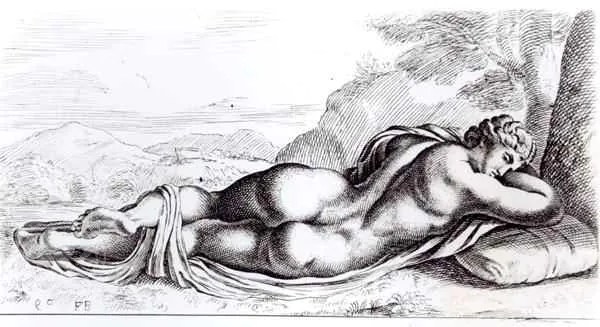
TERFs might do well to visit the metopes of the Parthenon, particularly the ones depicting the Amazonomachy—which originally faced the city of Athens as a warning to its women: your place is reproductive, your value, domestic. In misrecognising themselves as Amazons, TERFs mistake resistance for repression, and transform public space not into a site of empowerment, but into a theatre of hatred and exclusion. What they offer is not feminism—it is a tragic repetition of the very violence they claim to oppose.
TERFs might do well to visit the metopes of the Parthenon, depicting the Amazonomachy—which faced the city of Athens as a warning to its women: your place is reproductive, your value, domestic. If they biologize the confrontation, they lose.
Tweet
The Woman Who Does the Policing for Men
But this isn’t just about Rowling. She is part of a wider cultural formation in which white, liberal, middle-class women take it upon themselves to protect the boundaries of femininity — not from male violence, but from gender variance. These women have become the front-facing enforcers of a deeply conservative political order, defending biological essentialism under the guise of feminism, and acting as agents of patriarchal purity while imagining themselves as victims. This is a very old story. The female enforcer has always existed. She is the moralising teacher, the censorious aunt, the matron of decency — her task is not to liberate, but to regulate. Her struggle is not against patriarchy, but against those who challenge its rules too literally. The trans woman becomes her scapegoat: a monstrous excess, a symbolic trespasser, a disruption of gender’s fragile economy.
The female enforcer has always existed. She is the moralising teacher, the censorious aunt, the matron of decency — her task is not to liberate, but to regulate. Her struggle is not against patriarchy, but against those who challenge its rules too literally.
Tweet
Gentrification of the Self: Trans Panic as Displaced Class Fear
Rowling’s attacks on trans people are not, in essence, about gender. They are a displaced articulation of anxiety about territory, inheritance, and displacement — in short, about property. In today’s Britain, a trans person is framed not just as a gender transgressor, but as an unauthorised occupant of a cultural category. This is the language of gentrification. Of zoning. Of occupation and eviction. Of who is allowed to live where, and under what conditions.
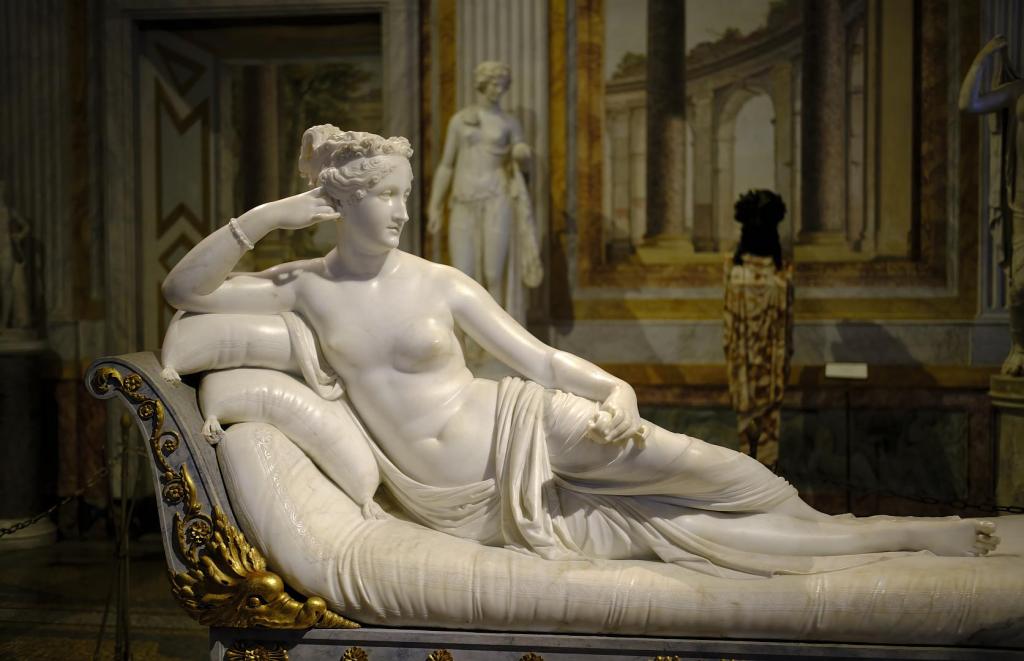
Rowling’s attacks on trans people are not, in essence, about gender. They are a displaced articulation of anxiety about territory, inheritance, and displacement — in short, about real estate. She even uses the language of gentrification.
Tweet
It is no coincidence that the trans panic coincides with an era of soaring property prices, housing scarcity, and generational dispossession. The middle classes feel dispossessed — not by queers, not by migrants, but by a system that has robbed them of certainty, inheritance, and identity. But instead of confronting the system, they turn on those most precariously positioned within it: the trans, the migrant, the poor.
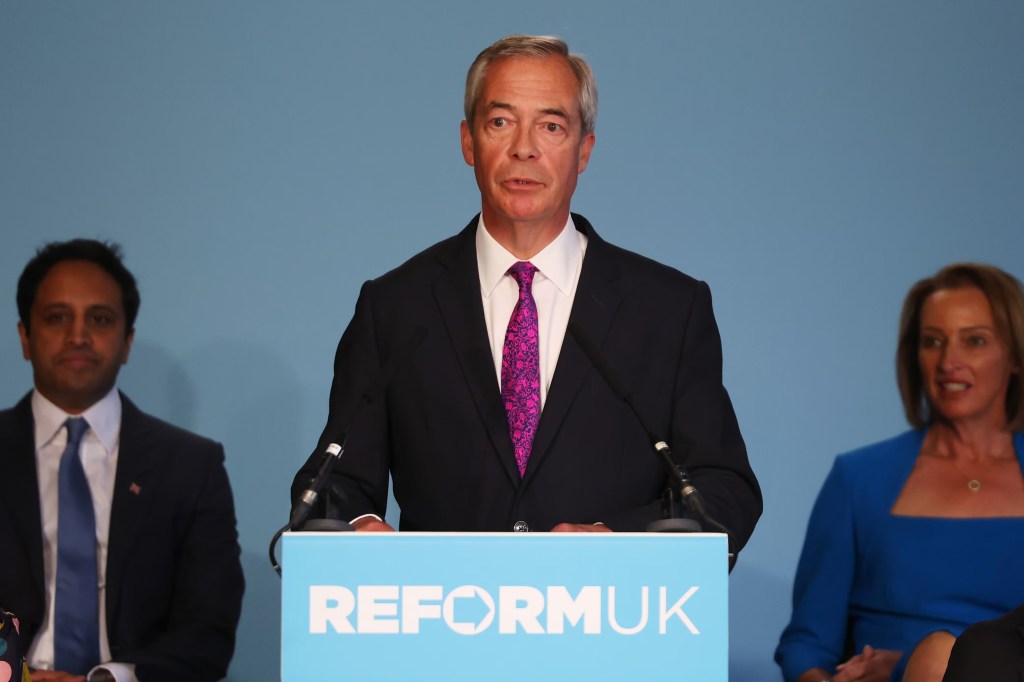
This is why Rowling’s discourse is structurally identical to Nigel Farage’s. She speaks of trans women as invaders of women’s spaces in the same way that Farage speaks of immigrants invading the nation. The bathroom is her border. The changing room is her English Channel. The pronoun is her passport control. It’s not just transphobia. It’s a politics of reaction in a collapsing order.
From Fantasy to Franchise
Rowling’s ideological shift must also be understood through her material position. She is not just a writer. She is a billionaire landlord. She owns property. She licenses her intellectual estate. She benefits from a fantasy economy of exclusivity — Hogwarts, Hogsmeade, Diagon Alley — places where magic is real but always gated.

Rowling’s ideological shift must also be understood through her material position. She is not just a writer. She is a billionaire landlord. She owns property. She licenses her intellectual estate. She benefits from gated magic and fantasy.
Tweet
To protect this economy, she must protect borders — not only literal ones, but symbolic, sexual, and narrative. Her war against the transsexual is also a war against the redistribution of meaning outside patriarchy. She is terrified not just of bodies, but of readers who refuse to stay in their lane, who inhabit the story in ways she didn’t authorise. This is why she now resembles the very Ministry of Magic her novels taught us to resist: a paranoid bureaucracy obsessed with order, terrified of mutation, determined to eliminate whatever exceeds the norm.
British Moral Panic as Political Distraction
The trans panic has become the perfect storm in British politics: a substitute for real debate, a screen for economic failure, and a moral sideshow for a crumbling empire. The Tories use it to shore up the base. Labour, under Starmer, refuses to touch it — fearing Murdoch headlines more than it fears the cost of cowardice. Meanwhile, the BBC performs neutrality as its platforms hate. This is not a side issue. It’s a symptom of a deep cultural decomposition, in which identity becomes the battlefield for class anger, and in which those least responsible for the crisis become its primary targets.
Just like immigrants, trans people are being turned into figures of moral contagion — blamed for the confusion, anxiety, and collapse that capitalism itself produced. Farage scapegoated the migrant. Rowling scapegoats the trans woman. The panic is the same. Only the body changes.
Final Spell
I, too, grew up with Rowling’s books. I knew every spell, every hidden corridor. But I no longer recognise the author. There is no magic in what she says now—only paranoia. No bravery, only discipline. No Hogwarts, only witch hunts. The books remain, but the border has shifted. The author has joined the Ministry.
Just like immigrants, trans people are being turned into figures of moral contagion — blamed for the confusion, anxiety, and collapse that capitalism itself produced. Farage scapegoated the migrant. Rowling scapegoats the trans woman
Tweet
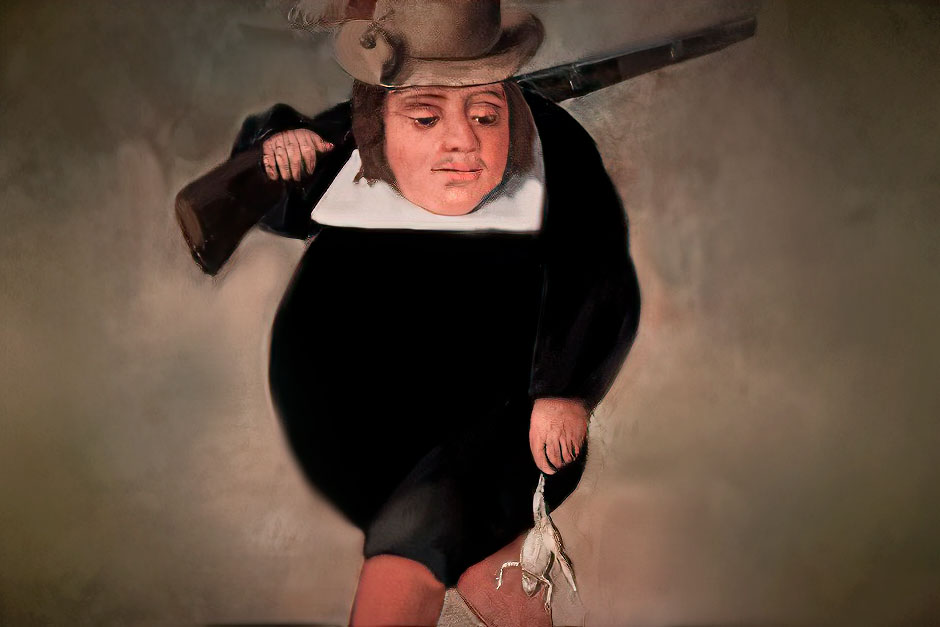
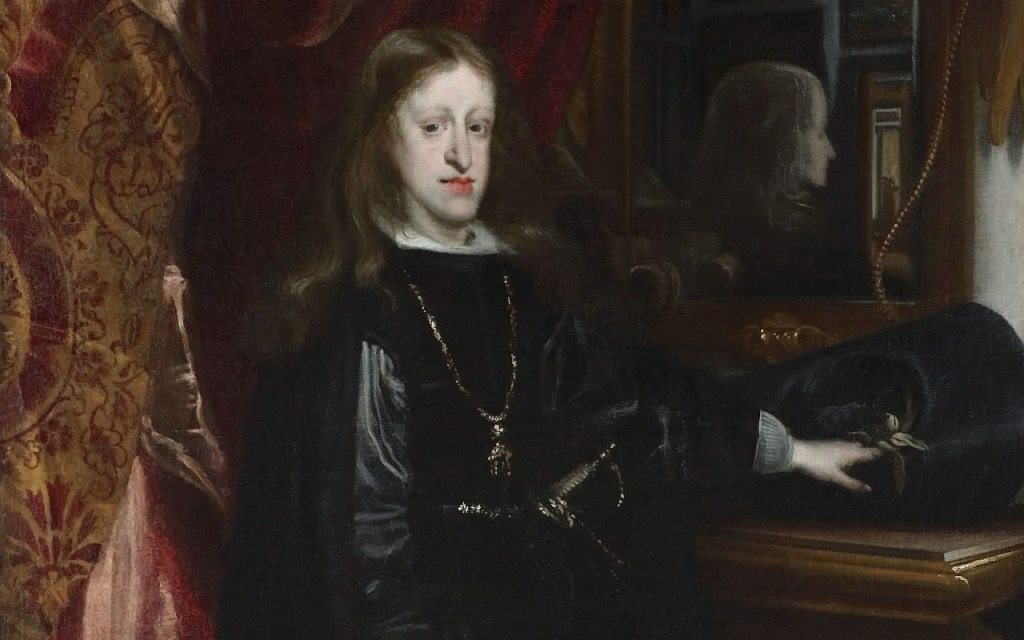
The irony is sharp: during the Spanish Inquisition—often imagined as the epitome of repression—there was, in fact, a fascination with hermaphroditism. These bodies were not seen as freaks, but as evidence of the divine variety in God’s creation. Spain had just discovered the Americas and, for a brief moment, embraced plurality—a gesture that extended to gender. Philip IV, Diego Velázquez’s patron, even spared one queer performer from the bonfire typically reserved for those accused of the pecado nefando of sodomy. His name was Juan Rana—literally, “John Frog”—a court jester, actor, and friend of the king. He performed male pregnancies in comedic entremeses written by Calderón de la Barca, staging gender not as pathology but as performance, excess, and delight.
The irony is sharp: during the Spanish Inquisition—often imagined as the epitome of repression—there was, in fact, a fascination with hermaphroditism seen as the divine variety in God’s creation.
Tweet
How did we fall from that complex, baroque understanding—a gender mise-en-abîme staged at the very heart of empire—to this flat, paranoid Trumpism? TERFism and its British variants function as technologies of diversion: not just from trans lives, but from the psychic pain of delayed imperial collapse. What we are witnessing is not a moral defence of womanhood, but the last gasp of a cultural order incapable of metabolising its own decline.
J.K. Rowling, Alt+Right y el pánico fronterizo británico
“No son nuestras habilidades las que muestran lo que realmente somos. Son nuestras elecciones.”
— Albus Dumbledore
Hay una amarga ironía en observar cómo J.K. Rowling se transforma de un símbolo cultural de esperanza en una autoproclamada guardiana de fronteras: entre sexos, entre verdades, entre cuerpos. Su obsesiva cruzada anti-trans, ahora sincronizada con el lanzamiento de cada nuevo libro, no es simplemente una autora expresando una opinión. Es la instrumentalización del pánico social, siguiendo una lógica inquietantemente cercana a la de la extrema derecha. El momento es muy desafortunado y nos hace reflexionar sobre la verdadera agenda detrás de estos esfuerzos coordinados.
Hoy, Rowling ya no se asemeja a los personajes que creó: los valientes, los marginales, los perseguidos. Se parece más a Umbridge, Fudge, incluso a Voldemort: obsesionada con las líneas de sangre, fijada en la pureza, decidida a restaurar el orden eliminando la ambigüedad. La mujer trans se ha convertido en su “sangre sucia”, su amenaza inventada, su conveniencia política.
Lo que anima al movimiento TERF no es el feminismo en ninguna de sus formas históricas, sino una variante de fascismo cultural que tiene poco que ver con la feminidad o la mujer. Lo que promueven es una política obsesionada con el control de fronteras y la disciplina de lo anormal. Enmascaradas en el lenguaje de la protección y los derechos de las mujeres, las TERFs funcionan como guardianas morales autoritarias, definiendo quién cuenta como una “mujer real” a través de la biología, la vigilancia y la exclusión. Su activismo no trata sobre la liberación, sino sobre asegurar un orden simbólico amenazado, en el que el género es fijo, la identidad es heredada y la desviación es castigada. Como todas las formas de fascismo, su cohesión se forja a través del miedo, y su comunidad se construye mediante el odio. Esto no es la defensa de la feminidad; es la recolonización del significado mismo.
Si el feminismo de la primera ola se trataba de captar la atención pública, a menudo mediante acciones militantes como las pétroleuses que incendiaron el Hôtel de Ville durante la Comuna de París; si el feminismo de la segunda ola buscaba desafiar la mirada masculina reposicionando el cuerpo femenino como sujeto político; y si el feminismo de la tercera ola deconstruyó el género como una actuación cultural, las TERFs pervierten el legado de las tres al involucrarse en una guerra biológica que están destinadas a perder. Reducen el feminismo a un régimen fronterizo.
Les vendría bien visitar los metopas del Partenón, particularmente los que representan la Amazonomaquia, que originalmente enfrentaban a la ciudad de Atenas como una advertencia a sus mujeres: su lugar es reproductivo, su valor, doméstico. Al no reconocerse a sí mismas como Amazonas, las TERFs confunden la resistencia con la represión y transforman el espacio público no en un sitio de empoderamiento, sino en un teatro de odio y exclusión. Lo que ofrecen no es feminismo; es una trágica repetición de la misma violencia que afirman oponerse.
La mujer que hace la vigilancia para los hombres
Pero esto no se trata solo de Rowling. Ella es parte de una formación cultural más amplia en la que mujeres blancas, liberales y de clase media se encargan de proteger los límites de la feminidad, no de la violencia masculina, sino de la variación de género. Estas mujeres se han convertido en las ejecutoras visibles de un orden político profundamente conservador, defendiendo el esencialismo biológico bajo la apariencia de feminismo y actuando como agentes de la pureza patriarcal mientras se imaginan a sí mismas como víctimas. Esta es una historia muy antigua. La ejecutora femenina siempre ha existido. Es la maestra moralizante, la tía censora, la matrona de la decencia; su tarea no es liberar, sino regular. Su lucha no es contra el patriarcado, sino contra aquellos que desafían sus reglas demasiado literalmente. La mujer trans se convierte en su chivo expiatorio: un exceso monstruoso, una intrusa simbólica, una interrupción de la frágil economía del género.
Gentrificación del yo: el pánico trans como miedo de clase desplazado
Los ataques de Rowling a las personas trans no tratan, en esencia, sobre el género. Son una articulación desplazada de la ansiedad sobre el territorio, la herencia y el desplazamiento, en resumen, sobre la propiedad. En la Gran Bretaña actual, una persona trans no solo se enmarca como una transgresora de género, sino como una ocupante no autorizada de una categoría cultural. Este es el lenguaje de la gentrificación, de la zonificación, de la ocupación y el desalojo, de quién tiene permitido vivir dónde y bajo qué condiciones.
No es coincidencia que el pánico trans coincida con una era de precios de propiedad en alza, escasez de vivienda y desposesión generacional. Las clases medias se sienten desposeídas, no por personas queer, no por migrantes, sino por un sistema que les ha robado la certeza, la herencia y la identidad. Pero en lugar de confrontar el sistema, se vuelven contra aquellos que están más precariamente posicionados dentro de él: las personas trans, los migrantes, los pobres.
Por eso el discurso de Rowling es estructuralmente idéntico al de Nigel Farage. Ella habla de mujeres trans como invasoras de los espacios femeninos de la misma manera que Farage habla de inmigrantes invadiendo la nación. El baño es su frontera. El vestuario es su Canal de la Mancha. El pronombre es su control de pasaportes. No es solo transfobia. Es una política de reacción en un orden en colapso.
De la fantasía a la franquicia
El giro ideológico de Rowling también debe entenderse a través de su posición material. No es solo una escritora. Es una casera multimillonaria. Posee propiedades. Licencia su patrimonio intelectual. Se beneficia de una economía de fantasía de exclusividad: Hogwarts, Hogsmeade, Diagon Alley, lugares donde la magia es real pero siempre está cercada.
Para proteger esta economía, debe proteger las fronteras, no solo las literales, sino las simbólicas, sexuales y narrativas. Su guerra contra la transexualidad también es una guerra contra la redistribución del significado fuera del patriarcado. Está aterrorizada no solo por los cuerpos, sino por los lectores que se niegan a mantenerse en su carril, que habitan la historia de maneras que ella no autorizó. Por eso ahora se asemeja al mismo Ministerio de Magia que sus novelas nos enseñaron a resistir: una burocracia paranoica obsesionada con el orden, aterrorizada por la mutación, decidida a eliminar todo lo que exceda la norma.
Pánico moral británico como distracción política
El pánico trans se ha convertido en la tormenta perfecta en la política británica: un sustituto del debate real, una pantalla para el fracaso económico y un espectáculo moral para un imperio en ruinas. Los tories lo utilizan para apuntalar su base. El laborismo, bajo Starmer, se niega a tocarlo, temiendo más los titulares de Murdoch que el costo de la cobardía. Mientras tanto, la BBC actúa con neutralidad mientras da plataforma al odio. Esto no es un tema secundario. Es un síntoma de una profunda descomposición cultural, en la que la identidad se convierte en el campo de batalla de la ira de clase, y en la que aquellos menos responsables de la crisis se convierten en sus principales objetivos.
Al igual que los inmigrantes, las personas trans están siendo convertidas en figuras de contagio moral, culpadas por la confusión, la ansiedad y el colapso que el capitalismo mismo produjo. Farage culpó al migrante. Rowling culpa a la mujer trans. El pánico es el mismo. Solo cambia el cuerpo.
Último hechizo
Yo también crecí con los libros de Rowling. Me sabía cada hechizo, cada pasadizo oculto. Pero ya no reconozco a la autora. No hay magia en lo que dice ahora—solo paranoia. No hay valentía, solo disciplina. No hay Hogwarts, solo cacerías de brujas. Los libros permanecen, pero la frontera se ha desplazado. La autora se ha unido al Ministerio.

La ironía es aguda: durante la Inquisición española—frecuentemente imaginada como el epítome de la represión—existía, en realidad, una fascinación por el hermafroditismo. Estos cuerpos no eran vistos como monstruos, sino como pruebas de la variedad divina en la creación de Dios. España acababa de descubrir América y, por un breve momento, abrazó la pluralidad—un gesto que se extendía al género. Felipe IV, mecenas de Diego Velázquez, incluso salvó a un performer queer de la hoguera que solía reservarse para quienes eran acusados del pecado nefando de la sodomía. Su nombre era Juan Rana—literalmente, “Juan Rana”—un bufón de la corte, actor y amigo del rey. Representaba embarazos masculinos en entremeses cómicos escritos por Calderón de la Barca, escenificando el género no como patología, sino como performance, exceso y gozo.
¿Cómo caímos desde esa comprensión barroca y compleja—una mise-en-abîme de género representada en el mismo corazón del imperio—a este trumpismo plano y paranoico? El TERFismo y sus variantes británicas funcionan como tecnologías de desvío: no solo de las vidas trans, sino del dolor psíquico por el colapso imperial postergado. Lo que presenciamos no es una defensa moral de la feminidad, sino el último estertor de un orden cultural incapaz de metabolizar su propia decadencia.
nuevo episodio para miembros pagos a mi canal de youtube

 Loveartnotpeople.blog
Deja una respuesta