Scroll down for the English Version
La imagen es brutal. Ayer, un senador norteamericano fue violentamente arrestado por las fuerzas de seguridad en un operativo que lleva la firma de la administración Trump
Tweet
La imagen es brutal. Ayer, un senador norteamericano fue violentamente arrestado por las fuerzas de seguridad en un operativo que lleva la firma de la administración Trump. El video lo muestra reducido en el piso y esposado, con la cabeza hacia abajo, mientras un grupo de marines—trasladados a Oxnard y otras ciudades californianas en un marco de creciente militarización—sella su autoridad sobre el cuerpo disidente. La escena cambió el tono de la discusión política en Estados Unidos que hasta hoy ridiculizaba a Trump. La cara de los presentadores de canales pro-demócratas como MSNBC lo dice todo. Se dan cuenta que el horror se volvió paisaje en Estados Unidos. Nunca antes había pasado algo así en la democracia norteamericana. Lo más cerca que se había llegado había sido Nixon pero la justicia era respetada y jamás se había atacado físicamente a un miembro electo. Se puede hablar de Estados Unidos como un estado dictatorial.
En paralelo, crece en Los Ángeles y en varias ciudades , una lógica de ocupación más que de protección: patrullajes preventivos, drones, detenciones sin orden judicial, medidas de excepción que se imponen en nombre del orden y la seguridad. El argumento, por parte del gobierno norteamericano es el mismo: frente al caos urbano y la infiltración ideológica de ciertos sectores políticos y académicos, el Estado se reserva el derecho de castigar. Y castiga. No en secreto, sino a plena luz. Ya no es la desaparición clandestina: es la humillación en vivo. Las desapariciones ya ocurrieron expulsando ciudadanos a países del Tercer Mundo sin defensa previa.
Ya no es la desaparición clandestina: es la humillación en vivo. Las desapariciones ya ocurrieron expulsando ciudadanos a países del Tercer Mundo sin defensa previa.
Tweet
La mutación mediática del terror: Trump y Milei
La novedad no reside en la violencia, sino en su forma de circulación. Donald Trump y Javier Milei entendieron que en la era de los medios-ecosistema el terror no se oculta: se transmite y se parodia. Todo se convierte en meme. La represión ya no requiere secreto ni justificación; basta con estetizarla. Por eso, lo que hago en LANP creo que va a ser clave en estos próximos tiempos porque el análisis politico argentino no esta entrenado para ver la relación entre afecto y política desde un punto de vista visual.
La represión ya no requiere secreto ni justificación; basta con estetizarla. Por eso, lo que hago en LANP va a ser clave porque el análisis politico argentino no esta entrenado para lo visual.
Tweet
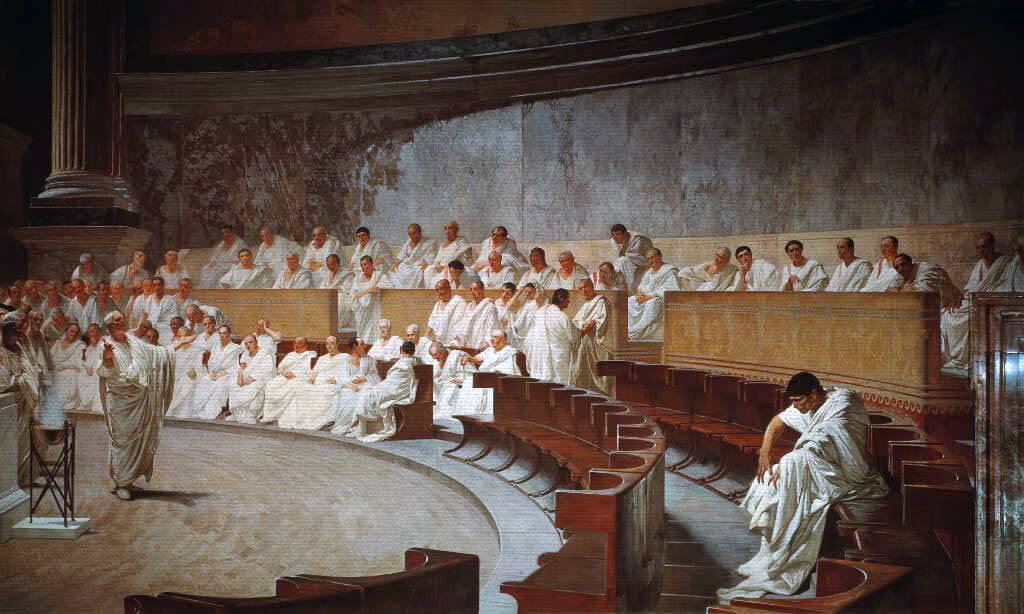
Tanto Trump como Milei han venido usando al espectáculo no para encubrir el poder, sino para exhibirlo sin pudor. Trump con sus montajes de campaña donde promete “limpiar el pantano” y al mismo tiempo reprime a representantes del pueblo. La proliferación de memes que comparaban tanto a Trump como a Milei con emperadores romanos no eran chiste. Pero estamos hablando de emperadores como Calígula, Nerón y Domiciano. Calígula humilló públicamente a senadores, confiscó sus bienes y ejecutó a quienes consideraba desleales, llegando incluso a expresar su deseo de cortar de un solo tajo el cuello de todo el pueblo romano. Nerón, paranoico y autoritario, desató una sangrienta purga tras la conspiración de Pisón, forzando incluso a su tutor Séneca al suicidio. Domiciano instauró un régimen de terror contra la aristocracia senatorial, ejecutando o exiliando a numerosos miembros bajo cargos de traición, hasta ser asesinado en una conspiración senatorial. Esos tres emperadores representan los ejemplos más notorios del uso del castigo brutal como herramienta de control imperial sobre el Senado y esto esta pasando en Estados Unidos, hoy.
La proliferación de memes que comparaban tanto a Trump como a Milei con emperadores romanos no eran chiste. Pero estamos hablando de emperadores como Calígula, Nerón y Domiciano.
Tweet
Milei, con sus insultos televisados, su apoyo a Patricia Bullrich tras las represiones brutales a trabajadores y estudiantes, y su cinismo al posar como víctima de una prensa “zurda” mientras manipula y amenaza a periodistas críticos como Pablo Grillo o, incluso, Carlos Pagni. La estrategia no es callar al adversario, sino integrarlo a un teatro de antagonismos que funciona como reality show. Esto no lograron ni los periodistas argentinos ni, desde ya, los partidos políticos. Mucho menos el Kirchnerismo que ha venido haciendo el trabajo sucio de la ultraderecha de la manera más eficaz posible.
La estrategia no es callar al adversario, sino integrarlo a un teatro de antagonismos que funciona como reality show. El Kirchnerismo ha venido haciendo el trabajo sucio de la ultraderecha.
Tweet

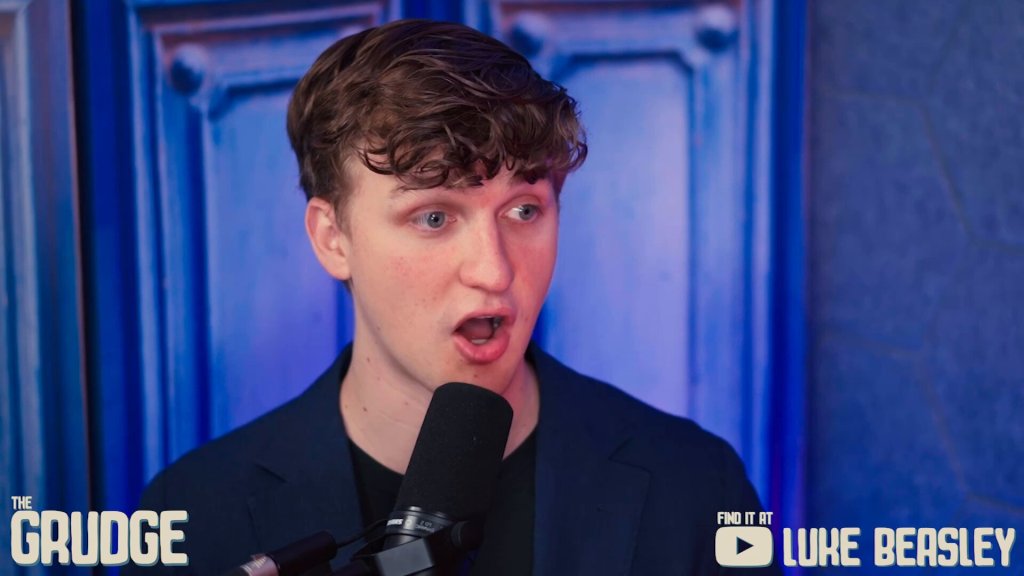
Trump parece haber aprendido del peronismo histórico la habilidad de capturar de la relación entre afecto y política. Sin embargo, entendió y creo que lo experimentó a través de Milei, convirtiendo a la Argentina en un laboratorio antes de aplicarlo en Estados Unidos, que la captación de dicha relación en épocas de manipulación de voluntades a través de las redes sociales es clave. Lejos de buscar esconder la censura publica, Trump y Milei buscan su amplificación o mejor dicho, de los términos en los que el progresismo pretende censurar. Y para eso necesitan a los medios supuestamente opositores: El Destape Web en la Argentina, MCSBS, incluso comentaristas progresistas como Luke Beasley que se reían y pedían que hubiera una reconversión ética en estos dictadores. Tras lo del Senador norteamericano de ayer, quedó en evidencia que cuanto más denuncian, más engrasan la máquina. La indignación es combustible del algoritmo. El horror se viraliza, pero no se detiene y lo que deja en evidencia es la naturalización de la dictadura presentada como democracia plebiscitaria y también, la impotencia de una oposición que lo único que tiene es la queja eticista.
Lejos de buscar esconder la censura publica, Trump y Milei buscan su amplificación. Y para eso necesitan medios opositores: El Destape Web en la Argentina, MCSBS, Luke Beasley que se ríen y lo consideran rídiculo.
Tweet

La genealogía de la pedagogía del terror: Nixon y Menem
Para comprender la lógica detrás de estas nuevas formas de violencia pública, conviene mirar hacia atrás. Lo que hoy se transmite por redes como performance del poder fue, durante décadas, una pedagogía del terror cuidadosamente administrada por el Estado. Siempre estuvo. Nunca se fue. Tanto en Estados Unidos como en Argentina, los grandes giros neoliberales necesitaron ser acompañados por escarmientos ejemplares. Sin castigo no hay reforma duradera y esos castigos siempre estuvieron. Pensemos en la masacre de Avellaneda en 2002 hasta el asesinato de Rafael Nahuel en 2017, la democracia argentina ha sostenido una pedagogía de la represión que excede los regímenes de excepción. Darío Santillán y Maximiliano Kosteki fueron asesinados por la policía bonaerense en plena luz del día, en un operativo destinado no a sofocar un alzamiento armado sino a escarmentar a los movimientos sociales. Quince años después, Rafael Nahuel, un joven mapuche de 22 años, fue ejecutado por la espalda por un efectivo del Grupo Albatros durante un desalojo en Villa Mascardi, bajo la gestión de Patricia Bullrich. En ambos casos, el Estado no sólo ejerció la violencia: produjo una narrativa. El enemigo interno —el piquetero, el indígena, el joven pobre— debía ser visible, rastreable, identificable. Lo que cambia con el tiempo no es la violencia, sino su estética: lo que antes se ocultaba bajo la doctrina de la seguridad, hoy se exhibe como defensa de la república, del orden o del progreso.
Tanto en Estados Unidos como en Argentina, los grandes giros neoliberales necesitaron ser acompañados por escarmientos ejemplares. Pensemos en la masacre de Avellaneda en 2002 o en Obama y Occupy Wall Street.
Tweet

Law and Order
En el caso de Richard Nixon, el terrorismo de Estado se llamó “law and order”. Su cruzada contra el “crimen” —codificado racial y políticamente— se sostuvo con programas como COINTELPRO, diseñados para infiltrar, neutralizar y destruir a los movimientos de derechos civiles, feministas, pacifistas y de liberación negra. La desaparición no era sólo física: era simbólica. La radicalidad política debía dejar de existir como posibilidad. El neoliberalismo entraba por la fuerza, pero también por la pedagogía del miedo: quien protesta, pierde.
Carlos Menem, en los noventa, aprendió rápido. Mientras privatizaba empresas estatales y desmantelaba el Estado de bienestar, desplegaba una estética de la impunidad mafiosa: blindados, ceñidores de oro, pactos secretos, reconciliaciones con genocidas. El menemismo fue la forma local de la globalización. Pero fue también una pedagogía nacional: nos enseñó que la memoria era prescindible y que la historia podía ser suplantada por rating. Se dejó de recordar para empezar a consumir pero el progresismo alfonsinista ya había vendido el recuerdo al mejor postor porque ese recuerdo era necesario para que el miedo siguiera funcionando y ellos fueron cómplices. Esto nos lleva a la pregunta de si hubo democracia en la Argentina?
El menemismo nos enseñó que la memoria era prescindible pero el progresismo alfonsinista ya había vendido el recuerdo al mejor postor para que el miedo siguiera funcionando.
Tweet
Ni con Nixon ni desde Alfonsin, la violencia se ocultaba. Tampoco se discutía. Se volvía cotidiana, didáctica. El castigo era una advertencia: “Esto te puede pasar también a vos”. Ese fue el mensaje de la era del cambio del texto en el diario a la imagen televisiva. El miedo no paralizaba; disciplinaba. En eso consistio su pedagogía: mostrar el precio de salirse del libreto neoliberal. Tal ves por eso, para Nixon era tan importante derrocar a Allende y reemplazarlo abiertamente y sin ningún tapujo por Pinochet.
Ni con Nixon ni desde Alfonsin, la violencia se ocultaba. Tampoco se discutía. Se volvía cotidiana, didáctica. El castigo era una advertencia: “Esto te puede pasar también a vos”.
Tweet
El muy estupido progresismo tanto Norteamericano como Argentino.
Hay una escena donde el horror cambia de forma y se vuelve risible. No para ser desactivado, sino para volverse digerible. En la era del algoritmo, la comedia política cumple una función doble: entretiene y anestesia. Luke Beasley, como antes John Oliver, Trevor Noah o incluso ciertos segmentos de El Destape Web en la Argentina, se presentan como conciencia crítica, pero muchas veces actúa como válvula de escape del sistema que denuncia. Son comedia. Navarro o Rachel Maddows o Beasley, quien me encanta como periodismo político fresco, son, en este contexto, muy nocivos porque miran desde arriba y parecen reírse de la farsa en la que se ha convertido la democracia. El problema es que nunca dejó de ser autoritarismo. Este es el gran error de la progresía panamericana.
Al estetizar el escándalo, al convertir cada episodio de represión o autoritarismo en un punchline, la comedia termina siendo funcional a la pedagogía del terror. Nadie puede reírse ya de Trump o Milei sino tomárselos muy en serio pensando modos alternativos no electorales sino de la política. Se necesitan cerebros. No se puede pensar en salames como Kicillof como alternativa porque promete que niega la violencia, algo que además es mentira, porque se lo come crudo la SIDE, sino porque la vuelve anecdótica. Se trata de una complicidad involuntaria, pero no por eso menos eficaz: el horror se transforma en hábito; la denuncia, en performance. La indignación pierde filo cuando se hace rutina.
En Argentina, esta lógica es especialmente visible en el progresismo mediático. En LANP lo advertí desde hace ya más de diez años. En un país en donde el periodismo político se ha transformado en una charla de panelistas de espectáculo ty y futbol, el presente era de esperarse. Programas de radio y portales web que se dedican a amplificar cada gesto del gobierno de Milei con tono de burla o sarcasmo terminan reforzando su centralidad simbólica. Mientras más se lo ridiculiza, más se lo confirma como eje del relato. Y Milei lo sabe: por eso busca el choque, la sobreactuación, la teatralidad constante y el error es reaccionar frente a eso. Es un actor que necesita enemigos que hablen su idioma. No hay que hablar más ese idioma.
El problema del testimonio: mirar sin ver
Ya no se trata de ocultar la violencia, sino de saturar al espectador. En la sociedad del espectáculo integral, lo que desaparece no es lo que no se ve, sino lo que no se registra como real aun cuando se ve. La violencia se vuelve un dato más del flujo. Las imágenes del senador esposado, del joven reprimido en el Obelisco o del manifestante ensangrentado en una marcha universitaria son vistas, compartidas, comentadas… y olvidadas.
La filosofa Argentina Silvia Schwarzböck, al analizar el caso de Abu Ghraib, hablaba de una forma de desaparición mediada: la que ocurre cuando el horror es visible pero no legible como injusticia. Cuando la imagen del cuerpo sometido no convoca empatía ni acción, sino scroll. Esa es la paradoja del presente: ya no hace falta desaparecer físicamente al enemigo; basta con saturar su visibilidad hasta volverlo paisaje. Esa es la tesis de Steve Bannon. Saturar de información mientras los cuerpos desaparecen por violencia directa (los que importan porque votan en el Congreso, por ejemplo) o por aislamiento (millones de pobres al cortarse la ayuda de USAID o complicarse los beneficios para jubilados haciendo que los trámites sean ilegibles). Las manifestaciones no van a parar esto sino el salir a votar cuando hay que hacerlo y pensar en un escenario político en el que ya el voto no es arma ni vehículo de justicia porque nunca lo fue.
Saturar de información mientras los cuerpos desaparecen por violencia directa (los que importan porque votan en el Congreso, por ejemplo) o por aislamiento.
Tweet
La pregunta, entonces, no es cómo mostrar lo que pasa, sino cómo romper el régimen de evidencia que lo neutraliza. ¿Qué imagen podría hoy interrumpir el circuito del consumo de violencia? ¿Qué gesto podría abrir una grieta en la circulación automatizada del espanto? La estética del testimonio está en crisis porque ya no alcanza con dar fe: hace falta producir corte. Y ese corte no se logra con más visibilidad, sino con otra relación entre imagen, palabra y poder.
Schwarzböck:“En la Argentina no hay teoría del poder porque no hay voluntad de transformación.”
Esa frase de Silvia Schwarzböck, que abre Los espantos, resuena hoy como una advertencia incumplida. Su libro no es solo un ensayo sobre estética y kirchnerismo, ni una crítica cultural del posneoliberalismo: es, ante todo, una intervención en el vacío. Un intento por pensar el poder cuando ya no se oculta, sino que se exhibe; cuando no se ejerce desde las sombras, sino desde el centro del escenario.
Schwarzböck entendió que el terror ya no se disfraza de legalidad, ni se esconde tras la retórica institucional. El terror hoy se estetiza: se vuelve imagen, flujo, entretenimiento. Lo siniestro no desaparece, sino que circula. Se nos ofrece no como excepción, sino como parte del menú. Y eso —advertía ella— nos vuelve espectadores antes que ciudadanos. El gesto del libro de Schwarzbock es político en el sentido más fuerte: en una cultura saturada de visibilidad, nos enseñó a leer lo que se muestra como forma de ocultamiento. Nos enseñó a distinguir entre ver y registrar, entre narrar y transformar. Nos invitó a una teoría del poder que no se contenta con la denuncia ni con la ironía. Una teoría que no estiliza el espanto, sino que se pregunta: ¿cómo hacer visible lo que no se deja ver? ¿Cómo interrumpir el espectáculo sin quedar fuera de escena?
No hay que estiliza el espanto, sino que preguntarse: ¿cómo hacer visible lo que no se deja ver? ¿Cómo interrumpir el espectáculo sin quedar fuera de escena?
Tweet
Este texto es, en parte, una humilde respuesta en un mundo al border del colapso de una nueva guerra mundial. O al menos, si ese es el caso, un intento de continuar su pregunta.
Trump crossed the Rubicon by brutalizing a Senator, and irrelevant Cristina is jailed: the Right removes its mask and death becomes visible.
The image is brutal. Yesterday, a U.S. senator was violently arrested by security forces in an operation stamped with the Trump administration’s signature. The video shows him pinned to the floor, handcuffed, head down, while a group of marines—deployed to Oxnard and other Californian cities amid growing militarization—asserts its authority over the dissident body. The scene has dramatically changed the tone of political discourse in the United States, which until now had been mocking Trump. You can read the expressions on pro‑Democratic hosts like those at MSNBC. They realize that horror has become part of the U.S. landscape. Never before has anything like this happened in an American democracy. The closest precedent might be Nixon—but even then, justice was respected and no elected official had ever been physically assaulted. The U.S. can now legitimately be called a dictatorial state.
The image is brutal. Yesterday, a U.S. senator was violently arrested by security forces in an operation stamped with the Trump administration’s signature. The video shows him pinned to the floor.
Tweet

In parallel, Los Angeles and several other cities are experiencing a logic of occupation more than protection: preventive patrols, drones, arrests without judicial warrants, and emergency measures imposed in the name of order and security. The U.S. government’s rationale is the same: faced with urban chaos and ideological infiltration by certain political and academic factions, the State reserves the right to punish. And punish it does. Not in secret, but in broad daylight. It’s no longer clandestine disappearance: it’s live humiliation. Disappearances have already occurred through deportations of citizens to Third World countries without legal
The State reserves the right to punish. And punish it does. Not in secret, but in broad daylight. It’s no longer clandestine disappearance: it’s live humiliation.
Tweet
The Mediatic Mutation of Terror: Trump and Milei
The innovation lies not in the violence, but in how it circulates. Donald Trump and Javier Milei understood that in today’s media-ecosystem age, terror doesn’t need to be hidden—it transmits and is parodied. Everything becomes a meme. Repression no longer requires secrecy or justification; it needs only to be aestheticized. That’s why what I’m doing at LANP will be essential in the coming times, because Argentine political analysis is not trained to see the affect‑politics relationship from a visual perspective.
Repression no longer requires secrecy or justification; it needs only to be aestheticized. LANP will be essential in the coming times, because Argentine political analysis is not trained to see the visual.
Tweet

Both Trump and Milei have used spectacle not to conceal power, but to exhibit it shamelessly. Trump, with his campaign stage where he promises to “drain the swamp” while simultaneously repressing the people’s representatives. The proliferation of memes comparing both Trump and Milei to Roman emperors was no joke. We’re talking emperors like Caligula, Nero, and Domitian. Caligula publicly humiliated senators, confiscated their property, executed those he saw as disloyal—even expressed his desire to slay all Romans in a single stroke. Nero, paranoid and authoritarian, unleashed a bloody purge after the Piso conspiracy, even forcing his tutor Seneca to commit suicide. Domitian established a regime of terror against the senatorial aristocracy, executing or exiling many on charges of treason—until he himself was assassinated in a senatorial conspiracy. These three emperors are notorious examples of using brutal punishment as a tool of imperial control over the Senate—and that’s happening now in the United States.
The proliferation of memes comparing both Trump and Milei to Roman emperors was no joke. We’re talking emperors like Caligula, Nero, and Domitian
Tweet
Milei, with his televised insults, his support for Patricia Bullrich after brutal repression of workers and students, and his cynicism in posing as a victim of the “leftist” press while manipulating and threatening critical journalists like Martín Becerra or even Carlos Pagni. The strategy is not to silence the opponent, but to integrate them into a theater of antagonisms that functions like a reality show. Neither Argentine journalists nor political parties have faced this effectively—not even Kirchnerism, which has tacitly done the far-right’s dirty work more effectively than anyone.
Trump seems to have learned from historic Peronism the ability to exploit the relationship between affect and politics. However, he understood—and I think he experimented through Milei—that Argentina was a laboratory before applying it to the U.S. He realized thatcapturing such a relationship in an era of managed social-media persuasion is key. Contrary to trying to hide censorship, Trump and Milei seek amplification of it—or more precisely, amplification of the terms on which progressivism claims censorship. And for that, they need so‑called opposition media: El Destape Web in Argentina, MCSBS, even progressive commentators like Luke Beasley who laughed and suggested an ethical conversion among these dictators. After yesterday’s only Senator incident, it’s clear: the more they denounce, the more they grease the machine. Outrage is the algorithm’s fuel. Horror goes viral but never stops; it only confirms the normalization of dictatorship disguised as plebiscitary democracy—and reveals the impotence of an opposition whose only weapon is ethical complaint.
Contrary to trying to hide censorship, Trump and Milei seek amplification of it. And for that, they need so‑called opposition media: El Destape Web in Argentina, MCSBS, even progressive commentators like Luke Beasley who turn horror into comedy.
Tweet
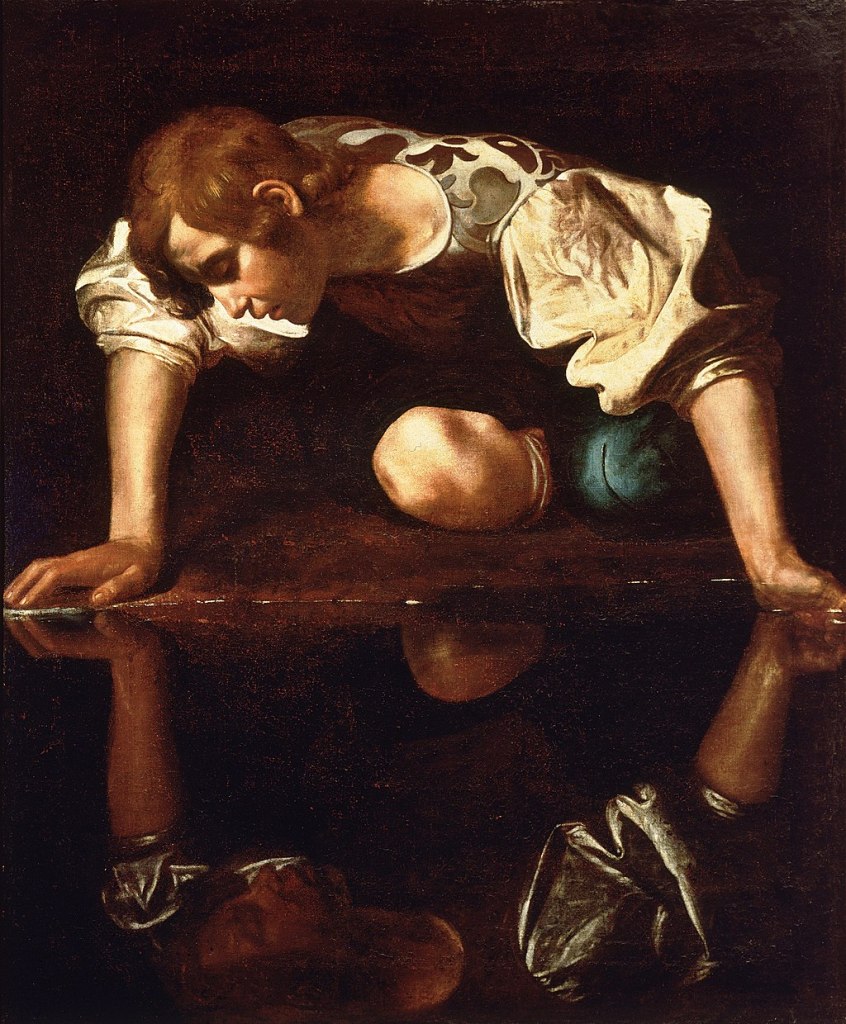
The Genealogy of Terror’s Pedagogy: Nixon and Menem
To understand the logic behind these new forms of public violence, it helps to look back. What is now transmitted through networks as a performance of power was for decades a pedagogy of terror meticulously administered by the State. It’s always been there. It never disappeared. In both the U.S. and Argentina, major neoliberal shifts needed exemplary punishments to accompany them. Without punishment there’s no durable reform—and punishment has always existed.
What is now transmitted through networks as a performance of power was for decades a pedagogy of terror meticulously administered by the State. It’s always been there.
Tweet
Think of the Avellaneda massacre in 2002 and the murder of Rafael Nahuel in 2017: Argentine democracy sustained a pedagogy of repression that went beyond states of exception. Darío Santillán and Maximiliano Kosteki were killed in broad daylight by the Buenos Aires police, not to suppress an armed uprising but to punish social movements. Fifteen years later, Rafael Nahuel, a 22‑year‑old Mapuche, was executed in the back by Albatros Group forces during the Villa Mascardi eviction under Patricia Bullrich. In both cases, the State didn’t just use violence—it crafted a narrative. The internal enemy—the picketer, the Indigenous youth, the poor—had to be visible, traceable, identifiable. What changes is not the violence, but its aesthetic: what was once hidden under security doctrines is now displayed as defense of the republic, of order, or of progress.

Law and Order
Under Richard Nixon, state terrorism operated under the banner of “law and order.” His crusade against “crime”—racially and politically coded—relied on programs like COINTELPRO, designed to infiltrate, neutralize, and destroy civil rights, feminist, pacifist, and Black liberation movements. Disappearance was not only physical—it was symbolic. Radical political alternatives had to cease to be a possibility. Neoliberalism entered by force, but also through a pedagogy of fear: protesters would bear the price.
Carlos Menem, in the ’90s, learned fast. While privatizing state enterprises and dismantling the welfare state, he displayed an aesthetic of mafia-style impunity: armored vehicles, gold medallions, secret pacts, and reconciliation with genocidal regimes. Menemism became the local variant of globalization. But it was also a national pedagogy: it taught us that memory was expendable and that history could be replaced by ratings. We stopped remembering and started consuming—but Alfonsin’s progressivism had already sold memory to the highest bidder because memory was necessary to keep fear working—and they colluded. This leads to the question: was there ever democracy in Argentina?
Neither under Nixon nor since Alfonsín has violence been hidden—or even debated. It’s become quotidian, didactic. Punishment was a warning: “This could happen to you too.” That was the pedagogy, bridging the shift from printed text to televised image. Fear didn’t paralyze—it disciplined. That was the price of deviating from the neoliberal script—as Nixon demonstrated by overthrowing Allende and replacing him with Pinochet without shame.
Neither under Nixon nor since Alfonsín has violence been hidden—or even debated. It’s become quotidian, didactic. Punishment was a warning: “This could happen to you too.”
Tweet
The Very Stupid Progressivism
There is a moment when horror changes its shape and becomes laughable—not to undermine it, but to render it digestible. In the algorithmic age, political comedy has a dual function: it entertains—and anesthetizes. Luke Beasley (like John Oliver and Trevor Noah before him, or segments of El Destape Web) might present himself as critical conscience, but often acts as a relief valve for the system he criticizes. Navarro or Rachel Maddows or Beasley—whom I love as fresh political voices—are dangerously complicit: they look from above, seeming to laugh at democracy’s farce. The problem is that it never stopped being authoritarian. This is the central mistake of pan-American progressivism.
Luke Beasley (like John Oliver and Trevor Noah before him, or segments of El Destape Web) might present himself as critical conscience, but often acts as a relief valve for the system he criticizes.
Tweet
By aestheticizing scandal, turning each episode of repression into a punchline, comedy becomes functional to terror’s pedagogy. You no longer laugh at Trump or Milei; you must take them seriously and imagine political alternatives—not electoral, but political. We need brains. Not jokers like Kicillof, who promises he won’t use violence (which is false—because the SIDE swallows him), but who turns it into anecdote. This is involuntary complicity—but no less effective: horror becomes habit; denunciation becomes performance. Outrage loses its edge when it becomes routine.

In Argentina, this logic is especially visible in media progressivism. I’ve noticed it at LANP for over ten years. In a country where political journalism has turned into a spectacle of panelists and soccer, the present was predictable. Radio shows and web portals that amplify each Milei gesture with mockery or sarcasm ultimately reinforce his symbolic centrality. The more he’s ridiculed, the more central he becomes. And Milei knows it: that’s why he seeks clash, overacting, constant theater—and the error is to respond. He’s an actor who needs enemies who speak his language. We shouldn’t speak that language anymore.
The Problem of Testimony: Seeing Without Seeing
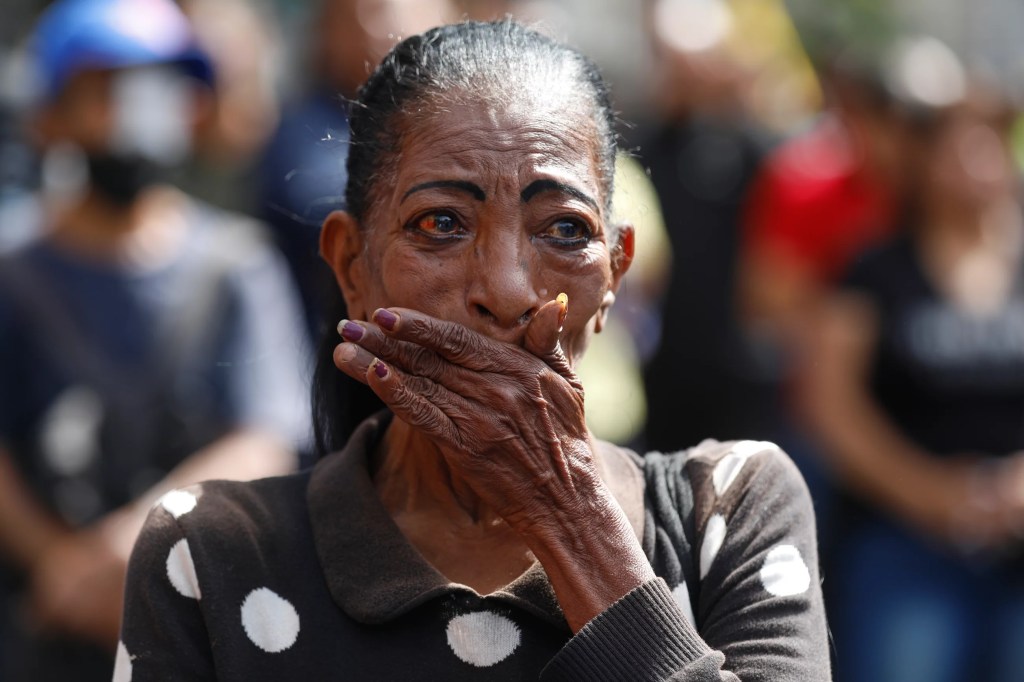
Today it’s not about hiding violence—it’s about saturating the spectator. In the age of total spectacle, what disappears is not the unseen, but what isn’t registered as real, even when seen. Violence becomes just another data stream. The images—handcuffed senator, young protester beaten at the Obelisk, bloodied demonstrators—are viewed, shared, commented on… and forgotten.
Argentine philosopher Silvia Schwarzböck, when analyzing Abu Ghraib, talked about a mediated disappearance: what occurs when horror is visible but not legible as injustice. When the image of a subjugated body calls forth not empathy or action, but scroll fatigue. That’s today’s paradox: you no longer need to physically make the enemy disappear; just saturate their visibility until they become scenery. That’s Steve Bannon’s premise: saturate with information while bodies disappear through direct violence (the ones who matter in Congress, for example) or through isolation (millions of the poor losing USAID aid, navigating confusing pension systems). Protests won’t stop this—only going out to vote when necessary, imagining a politics where the ballot is not a weapon because it never was one.
Argentine philosopher Silvia Schwarzböck, when analyzing Abu Ghraib, talked about a mediated disappearance: what occurs when horror is visible but not legible as injustice. When the image of a subjugated body calls forth not empathy or action, but scroll fatigue.
Tweet
The question, then, isn’t how to show what’s happening—but how to break the regime of evidence that neutralizes it. What image today could interrupt the circuit of violent consumption? What gesture could open a crack in the automated circulation of terror? The aesthetics of testimony are in crisis: bearing witness isn’t enough. A cut is needed—and that cut doesn’t come from more visibility but from reorganizing the relationship between image, word, and power.
Schwarzböck: “In Argentina there is no theory of power because there is no will to transform.”
That sentence from Argentine philosopher Silvia Schwarzböck that opens Los espantos echoes now as an unfulfilled warning. Her book isn’t just an essay on aesthetic and Kirchnerism, nor a cultural critique of post‑neoliberalism: it’s, above all, an intervention into the void. An attempt to think power when it’s no longer hidden, but displayed; not exercised from the shadows, but from center stage.
Schwarzböck understood that terror no longer hides behind legality or institutional rhetoric. Today, terror is aestheticized: it becomes an image, a flow, entertainment. The sinister doesn’t disappear—it circulates. It is offered not as exception, but as part of the menu. And that—she warned—turns us into spectators before citizens. Her book’s gesture is political in the strongest sense: in a culture saturated with visibility, she taught us to read what is shown as a form of concealment. She taught us to distinguish between seeing and registering, narrating and transforming. She invited us to a theory of power that is not satisfied with denunciation nor irony. A theory that does not stylize the terror, but asks: how to make visible what refuses to be seen? How to interrupt the spectacle without stepping off the stage?
Today, terror is aestheticized: it becomes an image, a flow, entertainment. The sinister doesn’t disappear—it circulates. It is offered not as exception, but as part of the menu.
Tweet

This text is partly a humble response in a world on the brink of another world war. Or at least, if that is the case, an attempt to continue asking her question.
add your comment in amazon …. y si querés sumarte a mis cursos pre/grabados podes hacerlo haciendo click en la imagen siguiente. Cuesta aproximadamente ocho dolares por mes y te podes desasociar cuando quieras. Hay más de 140 videos cargados. Todos nuevos.


 Loveartnotpeople.blog
Deja una respuesta