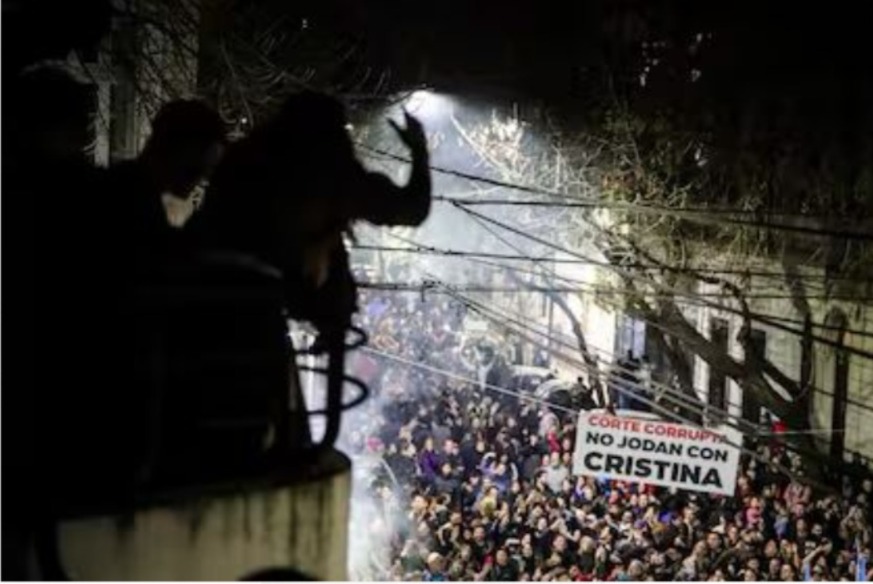
Scroll Down for the English Version
En el folclore argentino, la loca no es solo la desquiciada: es también la mujer excedente, la que ya no sirve, la que incomoda, la que nadie sabe cómo narrar. Pero también es, paradójicamente, el único personaje femenino que puede entrar al panteón si se deja tragar por la teatralidad de su propia ruina. Alfonsina Storni, Alejandra Pizarnik, incluso Eva: todas, a su modo, ingresaron al archivo emocional nacional tras haber devenido figura patética, trágica o abyecta. La loca, en Argentina, es la santa colocada en el lugar de vencida.
En el folclore argentino, la loca no es solo la desquiciada: es también la mujer excedente, la que ya no sirve, la que incomoda, la que nadie sabe cómo narrar. Pero también es, paradójicamente, el único personaje femenino que puede entrar al panteón.
Tweet

Cristina parece haberlo comprendido. En vez de resistir, actúa hasta su final. En vez de retirarse como estadista, ensaya su ingreso al panteón desde el lugar más ingrato: el de la ridícula. Esa mujer que baila sola en un balcón mientras el mundo arde no está desconectada de la realidad. Está interpretando el único papel que el patriarcado simbólico permite a una mujer que no puede ser madre, ni virgen, ni mártir: el de loca útil. Y en esa actuación, lo que Cristina hace no es rebelarse contra el poder que la expropia, sino volver a negociar con él. Como toda loca argentina digna de su época, Cristina no rompe con el patriarcado: lo seduce, lo chantajea, lo arrulla. Le dice: “Yo soy lo que ustedes temen. Pero también soy lo que necesitan para no perder del todo la memoria”. Pero, al final, tranza.
Lo que Cristina hace no es rebelarse contra el poder que la expropia, sino volver a negociar con él. Como toda loca argentina digna de su época, Cristina no rompe con el patriarcado: lo seduce.
Tweet
El hipotético paro general por ella, en este contexto, no es revuelta ni solidaridad: es el último intento de sacralización de una figura que ya no convoca, que ya no inspira, pero que aún puede ser utilizada. ¿Una santa? ¿Una monarca? ¿Una víctima? Nadie lo sabe. Lo único claro es que la máquina simbólica del kirchnerismo está colapsada, incapaz de decidir qué hacer con su legado. ¿Canonizarla como Evita? ¿Protegerla como madre? ¿Sepultarla como mártir? Ni siquiera el mito de Evita da ya garantías. Los cuerpos femeninos en la política argentina sólo acceden a la eternidad si se consumen. Y Cristina, astuta hasta el final, parece haber aceptado esa lógica perversa. Pero en lugar de retirarse con dignidad, eligió quedarse en la historia como caricatura de sí misma, como la vieja loca que baila mientras todo se cae.Y quizás eso sea, finalmente, lo más trágico de su figura.
Cristina, astuta hasta el final, parece haber aceptado esa lógica perversa. Pero en lugar de retirarse con dignidad, eligió quedarse en la historia como caricatura de sí misma, como la vieja loca que baila mientras todo se cae.
Tweet
El cuerpo que baila
Cuando escribí el post Caos, Esquizo-Política y la Ruina Progresista Bailando como Payaso Preso en el Balcón, lo que señalé fue una escena que muchos vieron, pero pocos se atrevieron a leer en toda su densidad simbólica: Cristina Kirchner bailando, sola, desfasada, en lo alto de un balcón. La escena tenía algo de Ophelia de Shakespeare por lo decadente: una princesa sin poder insertarse en su corte, un cuerpo que gira sin coreografía, una figura que insiste en performar presencia cuando lo que hay es vacío.
Cristina Kirchner bailando, sola, desfasada, en lo alto de un balcón. La escena tenía algo de Ophelia de Shakespeare por lo decadente: una princesa sin poder insertarse en su corte, un cuerpo que gira sin coreografía.
Tweet
No se trataba de atacar a Cristina por su edad —sería absurdo—, sino de registrar con precisión cómo su cuerpo, otrora símbolo de una política de la imagen poderosa, se ha convertido en espectro de sí mismo. Esa danza no es celebración ni consagración. Es un acting melancólico, casi paródico, en una escena sin público. Su cuerpo —ese cuerpo que durante años condensó el poder simbólico del Estado, el mito de Eva, la viuda épica, la madre del pueblo— ahora baila como una “loca del pueblo”, como diría el inconsciente popular, confirmando que el kirchnerismo ya no puede narrarse a sí mismo sin recurrir a figuras de encierro, delirio o desborde.
Lo trágico no es el ridículo. Lo trágico es la convicción con la que se insiste en representar algo que ya no existe. Cristina pareciera no saber —o no aceptar— que su tiempo ya no es el de la política sino el de la memoria. Y que incluso esa memoria está en disputa. No hay ningún legado productivo en juego: ni nuevas generaciones formadas, ni tejido institucional fortalecido, ni proyecto de país. Lo que queda es un vestigio simbólico —poderoso, sí— pero incapaz de regenerarse. Un mito sin potencia.
Cristina pareciera no saber —o no aceptar— que su tiempo ya no es el de la política sino el de la memoria. Y que incluso esa memoria está en disputa. No hay ningún legado productivo en juego.
Tweet
El legado simbólico y la melancolía profesional
Cristina Kirchner fue, más que una gestora eficiente, una arquitecta de símbolos. Su legado, en ese sentido, fue profundamente performativo: vestirse de negro, habitar el rol de viuda del Estado, hablar como si fuera Evita con, según ella afirma, un doctorado. Pero el problema no es simbólico en sí, sino que ese legado simbólico no se transformó en estructura, ni en industria, ni en movilidad social real, sino en nostalgia. En vez de proyectar futuro, el kirchnerismo canonizó su propio pasado.
En lugar de crear industrias, se fomentaron ensambladoras que se beneficiaron fiscalmente sin generar autonomía. En vez de formar técnicos, se alentaron generaciones enteras de “profesionales sociales” —licenciados en comunicación, sociología, trabajo social— provenientes de Puan o de Sociales, sin herramientas para incidir materialmente en un mundo que mutaba hacia la digitalización, el extractivismo tecnopolítico y la precarización global.
El mismo error —aunque menos estetizado— lo cometió Lula en Brasil. En lugar de formar una generación capacitada para desarrollar tecnologías, oficios o infraestructura, se promovieron carreras sociales como consuelo simbólico para los pobres ilustrados. Universidades que daban títulos pero no trabajo. Mérito sin función. Identidad sin campo de acción. El resultado fue una clase media progresista frustrada, hiperescolarizada, que exige reconocimiento pero no puede transformar el mundo que habita.
Ese desajuste produjo algo peor que el resentimiento: produjo melancolía profesional. Lo que vemos hoy, en muchos militantes y ex militantes, es una generación que no logra hacer el duelo de su irrelevancia. Su formación se volvió un peso. Su capacidad de lectura crítica se convirtió en ruido. Y el kirchnerismo, lejos de renovarlos o reubicarlos, los dejó atrapados en un tiempo que ya no existe. Un tiempo donde tener un título era suficiente para tener un lugar.
CFK produjo algo peor que el resentimiento: produjo melancolía profesional. Lo que vemos hoy, en muchos militantes y ex militantes, es una generación que no logra hacer el duelo de su irrelevancia.
Tweet
Ese es el tono espectral que aparece, por ejemplo, en la novela de Nahuel Véliz —como señalé en mi entrevista con él—, donde los protagonistas no son héroes ni víctimas, sino funcionarios sentimentales de un Estado emocionalmente en ruinas. Lo que esos personajes encarnan no es la épica de lo perdido, sino el absurdo de haber vivido para sostener una ficción que ni siquiera ellos creían. Son, literalmente, profesionales del pasado. Y el progresismo, incapaz de pensar estratégicamente el futuro, los transformó en comentaristas tristes del presente.
El clientelismo artístico como política de Estado
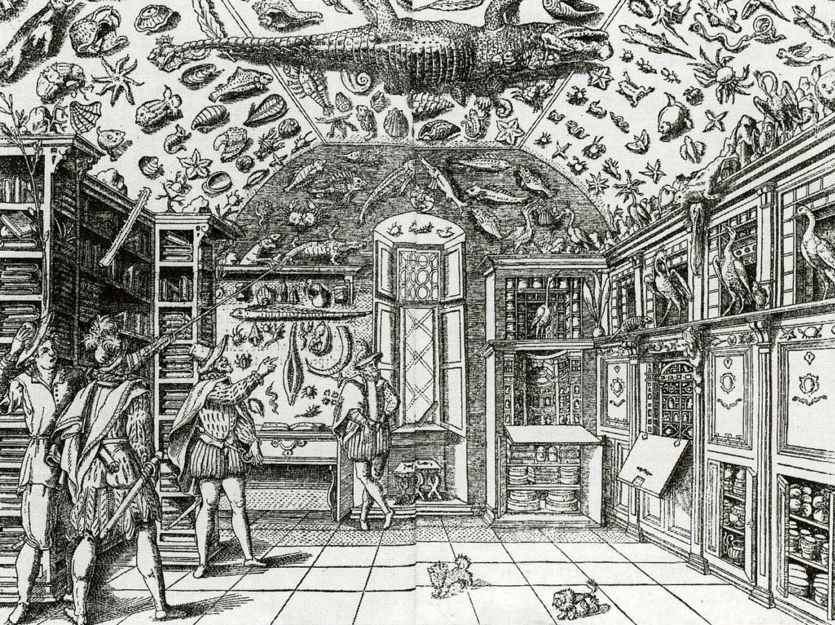
El kirchnerismo no construyó una política cultural: construyó un sistema de lealtades afectivas, presupuestos opacos y listas blancas y negras. En lugar de fomentar un pensamiento crítico o una escena artística vibrante y autónoma, creó un aparato de clientelismo estético donde el subsidio reemplazó al riesgo, la afinidad ideológica a la disidencia, y la visibilidad al pensamiento.
En este marco, el arte no fue entendido como forma ni como conflicto, sino como instrumento de legitimación simbólica del Estado. La “obra pública” no solo pavimentó calles: financió exposiciones, museos y residencias sin criterios curatoriales ni debate público, y muchas veces sin más criterio que el amiguismo. Artistas como Sebastián Gordin —y con él, una larga lista de ex miembros del Centro Cultural Rojas— pasaron a integrar una constelación simbólica de obediencia, donde sobreactuar la adhesión era el precio de entrada al canon oficial. El paso de la irreverencia noventista a la institucionalidad sin fisuras no fue ideológico: fue presupuestario. El Rojas, que alguna vez alojó desviaciones, se convirtió en un vivero de funcionarios culturales con diplomas en progresismo y contratos en el Estado.
El paso de la irreverencia noventista a la institucionalidad sin fisuras no fue ideológico: fue presupuestario. El Rojas, que alguna vez alojó desviaciones, se convirtió en un vivero de contratos en el Estado.
Tweet
El problema no es que haya habido política cultural clientelista. El problema es que esa política se estructuró sobre una ficción de radicalidad estética que, en el fondo, era puro consenso, puro gesto, puro papel pintado. Nadie se incomodaba. Nadie tensaba. Y quienes lo hacían eran excluidos o tachados de conflictivos. Así, el arte argentino pasó a ser una prolongación simbólica del relato nacional y popular: una escena sin escena, donde todos aplaudían mientras la fiesta se financiaba con retornos de obra pública.
La curaduría, lejos de ser un ejercicio de pensamiento, se transformó en una técnica de asignación afectiva. El artista obediente era recompensado. El crítico molesto, silenciado. El museo, en vez de ser archivo de disputas, se volvió una sala de espera para el próximo cargo. La cultura se volvió administración. Y en esa administración de las formas, lo que se perdió fue el arte.
Durante el Kirchnerismo, el artista obediente era recompensado. El crítico molesto, silenciado. El museo, en vez de ser archivo de disputas, se volvió una sala de espera para el próximo cargo.
Tweet
Durante el kirchnerismo, mi libro era una mala palabra. No lo digo yo: lo dijo la empleada de la biblioteca del Museo Nacional de Bellas Artes, que me confirmó que estaba en una lista negra confeccionada por curadores funcionales al régimen. Ninguna tesis del UNA me cita. ¿Por qué? Porque saben que el solo hecho de hacerlo les puede costar un aplazo. Así funciona el progresismo autoritario: no censura de frente, sino por omisión. Te borra.

Trebucq con peluca: la homofobia del progresismo dolido
Hay algo fascinante en la forma en que cierta progresía reacciona cuando la tocan donde más le duele: en el espejo. No el espejo del enemigo —ese ya lo tienen asumido— sino el espejo deformante del aliado que decide no cantar la marcha. El que, como yo, les recuerda que en su relato hay huecos, y que detrás del tono indignado, muchas veces hay una retórica vacía sostenida por privilegios disfrazados de sensibilidad. El insulto más celebrado tras mi post sobre Cristina bailando fue: “Cañete se volvió tan paulatinamente en Mercedes Ninci que nunca me di cuenta. Igual cierto que de jeta es Trebucq con peluca. Una especie de Traniela.”
Hay algo fascinante en la forma en que cierta progresía reacciona cuando la tocan donde más le duele: en el espejo. No el espejo del enemigo —ese ya lo tienen asumido— sino el espejo deformante del aliado que decide no cantar la marcha.
Tweet
Ese comentario, que fue retuiteado por militantes con doctorado en “poner memes”, merece un monumento. En pocas palabras, condensa homofobia, clasismo, transfobia y pánico al espejo. Lo que molesta no es lo que digo, sino que lo diga yo: un puto con autoridad, con archivo, con escritura, con lengua. Un puto que no está pidiendo permiso ni limosna. El progresismo de laboratorio tolera al homosexual folklórico, al que adorna la fiesta, al que ilustra las campañas de diversidad. Pero no sabe qué hacer con un homosexual que disiente. La Traniela, entonces, no es una figura ofensiva en sí, sino el límite de su gramática afectiva: cuando no saben cómo callarte, te travisten. Como si decirte “Trebucq con peluca” fuera un argumento o siquiera un insulto. Otro dijo: “Cómo te duele, gorila devenido Nelson Castro. El cancelado golpea la puerta de atrás, arrepentido. Levinas te va a seguir meando, no insistas.”
¿La puerta de atrás de dónde? Investigo en una universidad top a nivel mundial, tengo ofertas para ir a otras aún más exigentes, y mi libro —ese libro que algunos quisieron cancelar— será publicado por alguien con mucho más peso que ese instituto menor de Houston que, tras cancelarme, desapareció de la faz de la Tierra. Irónicamente, me dieron el premio cuando recién empezaba la investigación. Gracias a Dios no se publicó entonces, porque hoy sería su exacto opuesto. Ese es el problema con las inquisiciones progresistas: son impacientes con la transformación, incapaces de entender el tiempo de la crítica.
Pero no alcanza con que te borren. Tienen que ridiculizarte, para neutralizar el deseo de quienes podrían verte como un modelo. Por eso el insulto. Por eso la peluca. Por eso Trebucq. Y sin embargo, el insulto no daña: revela. Revela que los custodios del progresismo simbólico se están quedando sin lenguaje. Y que lo único que les queda es proyectar su rabia donde solían ver complicidad.
Cristina y los espantos: la familia del poder no tiene revuelta
En La mujer sin cabeza, Lucrecia Martel narra el colapso de una mujer que, tras atropellar algo — un niño de piel oscura- , se hunde en un estado de shock que el entorno elige no ver. Vero no huye ni trama su impunidad. Simplemente sigue, disociada, desprovista de voluntad, sostenida por una red familiar que gestiona, encubre y normaliza. Como explica Silvia Schwarzböck, Vero ya estaba sin cabeza antes del choque: lo que hace el accidente es exponer una lógica previa. La lógica de una clase que no piensa, no ve, y no se detiene.

Esa clase —que en Martel está simbolizada por los vínculos con el poder judicial, médico y eclesiástico que antes transaban con Cristina y hoy lo hacen con Milei, no necesita inteligencia para sostener sus privilegios: necesita silencio, jerarquía y automatismo. Cuando Lala, la tía anciana de Vero, confunde al hijo de la empleada doméstica con un espanto, no está delirando: está captando con lucidez espectral lo que la clase dominante llama fantasma para no reconocerlo como víctima. El niño indígena, fuera de foco, espectro del Estado, es lo que el progresismo estructuralmente decide no mirar.
En ese mismo registro, Cristina aparece como heredera de una familia simbólica que reproduce el poder como linaje, no como revuelta. Ella no suelta el bastón. Simula un traspaso generacional, pero lo que hace es ratificar una estructura patriarcal de nobleza hereditaria. Lo que Schwarzböck llama “los espantos” —ese sistema de exclusión domesticado bajo formas afectivas— reaparece hoy en el kirchnerismo no sólo como estética, sino como estructura de gobernanza paralela al verdadero poder torturador, siniestro y de los servicios de inteligencia. Con los que ella pactó en lugar de descabezar porque la verdad es que nunca creyó ni en su carisma ni en su poder porque era una esposa venida a más.
Cristina aparece como heredera de una familia simbólica que reproduce el poder como linaje, no como revuelta. Ella no suelta el bastón. Simula un traspaso generacional, pero lo que hace es ratificar una estructura patriarcal de nobleza hereditaria.
Tweet
El hijo que no sabe hablar pero tiene poder; la diputada que llega por portación de apellido y cama del que fue mi jefe en su momento; los medios aliados que replican el relato con la pasión de los conversos: todo responde a una lógica de clan. Grabois y su madrastra enriquecida por la corrupcion del PAMI bajo Menem. Como en Martel, los vínculos están garantizados por la familia, no por la verdad. El sistema se reproduce y por eso la gente votó y sigue votando a Milei. Lo que se hereda no es un proyecto, sino una posición. Lo que se preserva no es la justicia, sino la continuidad de un relato impune que cree que nombrar espantos los hace desaparecer.
Y sin embargo, los espantos siguen ahí. Son los disidentes que no entran en la gramática afectiva del progresismo pero también los ex torturadores. Son los artistas sin subsidio, los putos sin cargo, los investigadores con archivo pero sin tribuna. Son los cuerpos atropellados por el relato, fuera de plano, desenfocados, pero imposibles de borrar.
Y sin embargo, los espantos siguen ahí. Son los disidentes que no entran en la gramática afectiva del progresismo pero también los ex torturadores.
Tweet
Los blanquitos militantes y la estética del cotillón
“Lo más triste de la vigilia de CFK es que solo ocupa una esquina”, escribió otro lector lúcido tras mi post. “Muchos de los que están ahí son munipas y sobreescolarizados, puro blanquito de ojos claros, en su mayoría promediando los 35 y los 50 años”. La imagen es precisa. Los vendedores ambulantes les venden a ellos, midiendo precios según el grado de conchetismo militante. Y lo que aparece no es el pueblo peronista sino su parodia académica: el progresismo blanco con sed de épica pero sin calle, sin goce, sin espontaneidad.
Mientras los libertarios tardaron diez años en construir una narrativa desde los márgenes, trasnochando en Spaces de Twitter hasta las tres de la mañana, el kirchnerismo creyó que bastaba con montar un set de televisión, plantar una barba con pelo implantado, y que la juventud volvería sola. Confundieron estética con estética de cotillón. Confundieron transmisión con construcción. En vez de leer el nuevo mapa afectivo de las redes, lo llenaron de monólogos altisonantes, voceros con dicción forzada y una cadencia de power point de 2013.
El resultado es visible: una coreografía sin ritmo. Es la traducción cultural del modelo ensamblador: discursos prefabricados para una juventud que no está mirando. Se habla mucho de volver, pero nadie se pregunta a dónde. Y mientras tanto, los que sí tienen algo para decir —aunque incomoden— son expulsados del sistema afectivo del relato. El resultado es un discurso en loop: llorar el pasado para evitar pensar el presente.
El resultado es visible: una coreografía sin ritmo. Es la traducción cultural del modelo ensamblador: discursos prefabricados para una juventud que no está mirando. Se habla mucho de volver, pero nadie se pregunta a dónde.
Tweet
Lo que está en juego, en última instancia, es el poder de designar. ¿Quién tiene hoy la autoridad para nombrar lo que está bien, lo que es justo, lo que es progresista? ¿Quién define qué se puede decir sin ser castigado? ¿Quién reparte el derecho a la palabra? El blanquito escolarizado que desde El Destape nos alecciona sobre feminismo, racismo y economía popular, mientras uno parecido gobierna el Conurbano desde un estudio en Palermo, cree que aún tiene ese poder. Pero ya no lo tiene. Ese poder está en disputa. Y cada vez que alguien rompe con la liturgia y lo dice —como yo lo hice al llamar payasa a Cristina en su balcón—, la máquina reacciona con rabia, con insulto, con cancelación. Porque no se trata sólo de ideas: se trata de quién tiene el derecho de decirlas.
Y cada vez que alguien rompe con la liturgia y lo dice —como yo lo hice al llamar payasa a Cristina en su balcón—, la máquina reacciona con rabia, con insulto, con cancelación. Porque no se trata sólo de ideas: se trata de quién tiene el derecho de decirlas.
Tweet

La tragedia de Cristina no es personal. Es estructural. No es que no haya legado: es que ese legado fue endogámico. No supo producir estructura, ni herederos capaces, ni revuelta real. Solo dejó una coreografía sin música, una lista de fieles con micrófono, y un pueblo obligado a simular devoción. Mientras tanto, los espantos se acumulan: un país definanciado y timbero. Y frente a ese paisaje espectral, el progresismo elige repetir, llorar y acusar. Pero ya no nombra el mundo: solo se nombra a sí mismo. Y en ese loop de autocelebración sin deseo, Cristina baila. No como Eva, ni como Alfonsina. Baila como loca. Porque entendió, demasiado tarde, que en la Argentina, si sos mujer y tenés poder, el único lugar posible es el de la caída performada. Y si es con peluca, mejor.
Cristina, the Madwoman: Between Sainthood, Martyrdom, and Emptiness
In Argentine folklore, la loca—the madwoman—is not simply a lunatic. She is also the surplus woman, the one who no longer serves, who disturbs, who defies categorisation. And paradoxically, she is often the only female figure allowed into the national pantheon—provided she surrenders to the theatricality of her own ruin. Alfonsina Storni, Alejandra Pizarnik, even Eva Perón: all, in their own way, entered Argentina’s emotional archive by becoming pathetic, tragic, or abject figures. In Argentina, la loca is the saint undone.
In Argentine folklore, la loca—the madwoman—is not simply a lunatic. She is also the surplus woman, the one who no longer serves, who disturbs, who defies categorisation. And paradoxically, she is often the only female figure allowed into the national pantheon
Tweet
Cristina seems to have understood this. Rather than resist, she performs her own ending. Rather than retreat as a stateswoman, she rehearses her entry into posterity from the most humiliating position: that of the ridiculous. A woman dancing alone on a balcony while the world burns is not out of touch—she is enacting the only role the symbolic patriarchy still allows a woman who can no longer be mother, virgin, or martyr: the role of the useful madwoman.
A woman dancing alone on a balcony while the world burns is not out of touch—she is enacting the only role the symbolic patriarchy still allows a woman who can no longer be mother, virgin, or martyr: the role of the useful madwoman.
Tweet
And in this performance, Cristina is not rebelling against the power that expropriates her—she is bargaining with it again. Like every Argentine madwoman worthy of the name, she doesn’t break with patriarchy; she seduces it, manipulates it, cradles it. She whispers: “I am what you fear. But I’m also what you need in order not to lose memory altogether.”
Like every Argentine madwoman worthy of the name, she doesn’t break with patriarchy; she seduces it, manipulates it, cradles it
Tweet
The judiciary strike in her name, in this context, is not revolt nor solidarity—it is the final attempt at sanctifying a figure who no longer inspires, no longer mobilises, but can still be used. A saint? A queen? A victim? No one really knows. What’s certain is that the symbolic machinery of kirchnerismo is collapsing, unable to decide what to do with its legacy. Canonise her like Evita? Protect her as a mother? Bury her as a martyr?
Not even the myth of Evita can guarantee anything anymore. In Argentine politics, female bodies only gain eternal status if they are consumed. And Cristina, cunning to the end, seems to have accepted that perverse logic. But instead of retreating with dignity, she chose to enter history as a caricature of herself—the old madwoman dancing as everything falls apart.
In Argentine politics, female bodies only gain eternal status if they are consumed. And Cristina, cunning to the end, seems to have accepted that perverse logic. But instead of retreating with dignity, she chose to enter history as a caricature of herself
Tweet

And perhaps that is the most tragic thing about her figure: not that she was defeated, nor that she aged, but that she chose to become mad rather than disappear. That she preferred ridicule to absence. That she accepted what Argentina still imposes: for a woman in power, the only symbolic exit is the performed fall.
The Dancing Body
When I wrote the post Chaos, Schizo-Politics and the Progressive Ruin Dancing Like a Jailed Clown on the Balcony, I was pointing to a scene many had witnessed but few dared to interpret in its full symbolic weight: Cristina Kirchner dancing—alone, aged, out of sync—high up on a balcony. The scene had something of decaying Shakespeare: a queen without a court, a body turning without choreography, a figure insisting on performing presence where there is nothing but void.
It wasn’t about attacking Cristina for her age—that would be absurd—but about registering, with precision, how her body, once the symbol of a powerful politics of image, had become a spectre of itself. That dance was neither celebration nor consecration. It was a melancholic acting out, almost parodic, in a scene without audience. Her body—that same body which for years had condensed the symbolic power of the State, the myth of Eva, the epic widow, the mother of the people—now dances like a loca del pueblo, a village madwoman, as the popular unconscious might say, confirming that kirchnerismo can no longer narrate itself without resorting to figures of confinement, delirium, or excess.
Kirchnerismo can no longer narrate itself without resorting to figures of confinement, delirium, or excess. In that field, no one in Argentina can top Javier Milei.
Tweet
What’s tragic is not the ridiculousness—it’s the conviction with which something that no longer exists is still being performed. Cristina knows what she’s doing. She knows her place in history. But she seems either unaware—or unwilling to accept—that her time is no longer political but memorial. And even that memory is up for dispute. There is no productive legacy at stake: no new generations trained, no institutional fabric strengthened, no national project articulated. What remains is a symbolic residue—potent, yes, but incapable of renewal. A myth without power.
The Symbolic Legacy and the Professional Melancholy
Cristina Kirchner was less an efficient administrator than an architect of symbols. Her legacy, in that sense, was profoundly performative: the black mourning dress, the widow of the State, the Evita-esque rhetoric inflected with what she claimed was a doctorate. But the problem is not symbolic excess per se—it’s that this symbolic legacy never translated into structure, industry, or real social mobility. It became nostalgia. Instead of projecting a future, kirchnerismo canonised its own past.
Rather than develop industries, it promoted assembly plants rewarded through tax breaks but offering no autonomy. Instead of training technicians, it encouraged entire generations of “social professionals”—graduates in communication, sociology, or social work from Puan or Sociales—armed with no tools to act materially upon a world shifting toward digital capitalism, technopolitical extractivism, and global precarity.
Lula made the same mistake in Brazil, though with less aesthetic flair. Instead of building a skilled generation capable of shaping infrastructure, technology, or post-colonial know-how, he pushed symbolic credentials for educated poor, degrees with no job market, merit with no function. Identity without an arena of action. The result: a frustrated, over-schooled progressive middle class demanding recognition yet unable to change the world they inhabit.
This mismatch bred something worse than resentment: professional melancholy. What we see today in many former militants is a generation unable to mourn its own irrelevance. Their education became a burden. Their critical literacy turned into static. And kirchnerismo, rather than reposition or renew them, left them trapped in a time that no longer exists—a time when having a degree guaranteed you a place.
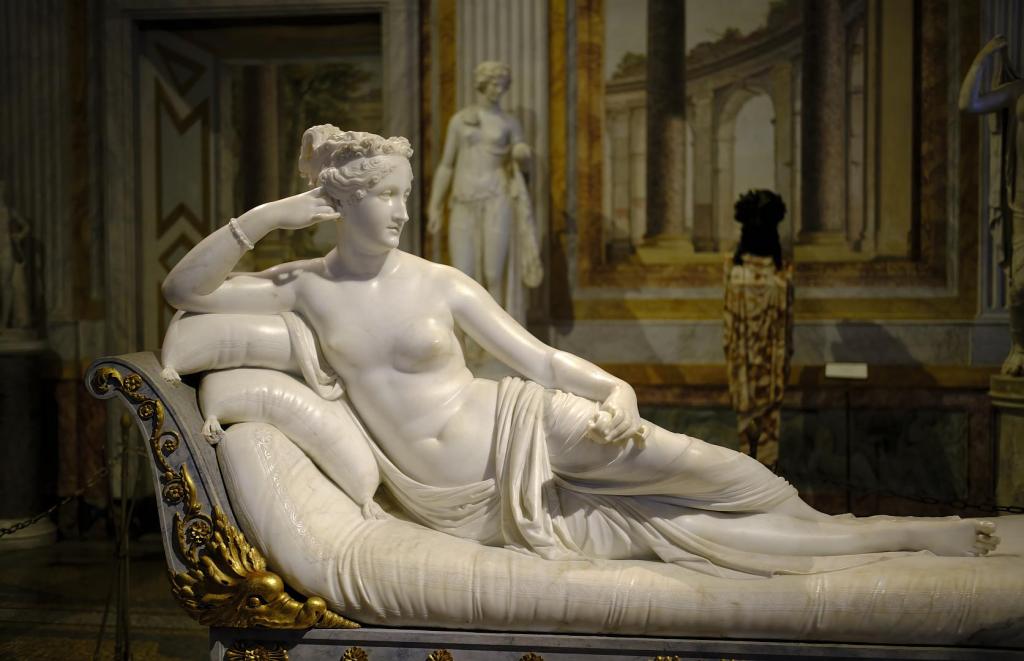
This spectral tone emerges, for example, in the novel by Nahuel Véliz—as I noted in my interview with him—where the protagonists are neither heroes nor victims, but sentimental bureaucrats of an emotionally ruined State. They don’t embody the epic of what was lost, but the absurdity of having lived to uphold a fiction no one believes in anymore. They are, literally, professionals of the past. And progressivism, incapable of strategically imagining the future, has turned them into melancholic commentators of the present.
Artistic Clientelism as State Policy
Kirchnerismo never built a cultural policy—it built a system of affective loyalties, white lists, and opaque budgets. Instead of fostering critical thought or a vibrant, autonomous artistic scene, it created a structure of aesthetic clientelism, where subsidies replaced risk, ideological affinity displaced dissent, and visibility supplanted thought.
Kirchnerismo never built a cultural policy—it built a system of affective loyalties, white lists, and opaque budgets. Instead of fostering critical thought or a vibrant, autonomous artistic scene, it created a structure of aesthetic clientelism, where subsidies replaced risk
Tweet
Within this framework, art was not understood as form or conflict, but as a tool for symbolic legitimation of the State. Public works weren’t limited to paving streets—they also financed exhibitions, museums, and residencies without curatorial criteria or public debate, and often guided by nothing more than personal connections.
Artists like Sebastián Gordin—along with a long list of former members of the Centro Cultural Rojas (a once-alternative art center co-opted into official culture)—became part of a symbolic constellation of obedience, where overacting one’s loyalty was the price of entry into the official canon. The shift from 1990s irreverence to seamless institutionalisation wasn’t ideological—it was budgetary. The Rojas, which once housed queer and experimental deviations, became a nursery of cultural bureaucrats armed with diplomas in progressivism and contracts with the State.
The problem wasn’t the existence of cultural policy per se, but the fiction of aesthetic radicalism that underpinned it—a fiction that, deep down, was pure consensus, pure pose, pure set dressing. No one challenged anything. No one disrupted. And those who did were excluded or branded as “conflictive.” In this way, Argentine art became a symbolic extension of the national-popular narrative: a scene without a scene, where everyone applauded while the party was financed through the symbolic laundering of public funds.
Curating, far from being an exercise in thought, was reduced to a technique of affective allocation. The obedient artist was rewarded. The inconvenient critic, silenced. Museums became waiting rooms for the next political appointment, rather than archives of dispute. Culture turned into administration. And in that administrative logic of form, what was lost was art itself.
So it’s hardly surprising that my book, which traced a critical history of recent Argentine art, was blacklisted by curators at the National Museum of Fine Arts during the kirchnerist years. This wasn’t explicit censorship—it was worse. It was administrative silence, exclusion through omission, condemnation by erasure. As one museum worker told me (and yes, I recorded it), my name was considered “a bad word.” Not because of what I wrote, but because I wrote it outside the choir. Because I didn’t need subsidies to say what I thought.
Trebucq in a Wig: The Homophobia of Wounded Progressivism
There is something perversely fascinating in how a certain strain of progressivism reacts when it is struck where it hurts the most: in the mirror. Not the enemy’s mirror—that one they’ve already internalised—but the distorting mirror held up by a former ally who refuses to sing the hymn. Someone like me, who reminds them that their narrative is full of holes, and that beneath all the outrage lies a rhetoric sustained by privilege disguised as sensitivity.
The most celebrated insult I received after publishing my post about Cristina dancing was: “Cañete slowly became Mercedes Ninci without me noticing. And face-wise, he’s basically Trebucq in a wig. A sort of Traniela.”
That comment, which was retweeted by activists with PhDs in emoji politics, deserves a monument. In just a few words, it condensed homophobia, classism, transphobia, and sheer panic at the mirror. What upsets them isn’t what I say—it’s that I’m the one saying it: a fag with authority, with archive, with language. A fag who doesn’t ask for permission or beg for crumbs.
Laboratory progressivism tolerates the folkloric homosexual—the one who decorates the party, who illustrates the diversity campaign. But it has no idea what to do with a homosexual who disagrees. “Traniela” isn’t offensive because it’s creative—it’s offensive because it’s desperate. It marks the limit of their affective grammar. When they don’t know how to shut you up, they cross-dress you. As if calling someone “Trebucq in a wig” counted as an argument.
Laboratory progressivism tolerates the folkloric homosexual—the one who decorates the party, who illustrates the diversity campaign. But it has no idea what to do with a homosexual who disagrees.
Tweet
Another wrote: “Oh, how it hurts you, gorilla turned Nelson Castro. The cancelled one knocking on the back door, begging. Levinas is going to keep pissing on you—give it up.” The back door of where, darling? I conduct research at a top global university, I’ve received offers from institutions even more competitive, and the book that some tried to cancel will be published by someone far more important than that now-vanished institute in Houston. Ironically, they gave me the prize when I had just begun the research. Thank God it wasn’t published then—because today it would be its exact opposite. That’s the problem with progressive inquisitions: they are impatient with transformation and fundamentally incapable of understanding the temporal logic of criticism.
During the kirchnerist years, my book was blacklisted. Don’t take my word for it—a worker at the National Museum of Fine told me (and I recorded it) that it was on a blacklist drawn up by regime-friendly curators. No thesis at UNA dares cite me. Why? Because doing so could cost students a failing grade. That’s how authoritarian progressivism works: it doesn’t censor openly, it omits. It erases.
But erasure alone is not enough. They have to ridicule you, neutralise any desire to see you as a model. That’s why the insults. That’s why the wig. That’s why Trebucq. And yet the insult doesn’t hurt—it reveals. It reveals that the symbolic custodians of progressivism have run out of language. And that all they can do now is project their rage onto the very figures they once saw as companions.
Cristina and the Phantoms: The Power Family Has No Revolt
In The Headless Woman, Lucrecia Martel tells the story of a woman who, after running over something—a dog, a child, or both—falls into a state of shock that those around her choose not to acknowledge. Vero doesn’t flee, nor does she plot to cover up what happened. She simply continues, dissociated, stripped of will, sustained by a familial network that manages, conceals, and normalises. As Silvia Schwarzböck explains, Vero was already headless before the crash—the accident merely exposes a prior logic: the logic of a class that does not think, does not see, does not stop.
This class—which in Martel’s film is embodied through ties to the judicial, medical, and ecclesiastical powers—does not need intelligence to maintain its privileges. It needs silence, hierarchy, and automatic continuity. When Lala, Vero’s elderly aunt, mistakes the domestic worker’s son for a ghost, she’s not delirious. She’s capturing, with spectral lucidity, what the dominant class prefers to call a phantom so as not to recognise it as a victim. The indigenous child, blurred and out of focus, a spectre of the State, is what progressivism structurally chooses not to see. Cristina fits into this register perfectly—as heir to a symbolic family that reproduces power as bloodline, not as revolt. She never let go of the sceptre. She staged a generational handover but, in truth, reaffirmed a patriarchal structure of hereditary nobility. What Schwarzböck calls “the phantoms”—a system of exclusion veiled in affect—reappears in kirchnerismo not just as aesthetic, but as a parallel structure of governance, rooted in a sinister intimacy with intelligence services and state violence.¨
Instead of dismantling this system, Cristina bargained with it. Because, truth be told, she never believed in her own charisma or power. She was, after all, a political wife who rose too far. The result: a son who can’t articulate a sentence but wields influence; a congresswoman whose qualifications rest on her surname and her bedmate (who once happened to be my own boss); and media allies who repeat the script with the zeal of the newly converted. Nothing here is guided by truth—only by family loyalty. And the people have noticed. That’s why many voted—and continue voting—for Milei. What’s inherited is not a project, but a position. What’s protected is not justice, but the continuity of a self-exonerating narrative that thinks naming phantoms makes them disappear. But the phantoms remain. They are the dissidents who don’t fit into the affective grammar of progressivism. They are the unsubsidised artists, the queers without appointments, the researchers with archives but no platform. They are the bodies run over by the narrative—out of frame, blurred—but impossible to erase.
The White-Boy Militants and the Aesthetic of Party Props
“The saddest thing about CFK’s vigil is that it only takes up one corner,” wrote a sharp-eyed reader in response to my post. “Most of the people there are municipal workers or over-schooled types, white boys with light eyes, mostly in their 30s to 50s.” The image is accurate. Street vendors sell food to them, adjusting prices according to the consumer’s level of progressive smugness. And what appears isn’t the Peronist people but its academic parody: a whitewashed progressivism hungry for epic narratives, but without street presence, without joy, without spontaneity.
“The saddest thing about CFK’s vigil is that it only takes up one corner,” wrote a sharp-eyed reader in response to my post. “Most of the people there are municipal workers or over-schooled types, white boys with light eyes, mostly in their 30s to 50s.”
Tweet
While the libertarians spent ten years building a narrative from the margins—up all night in Twitter Spaces during the pandemic—kirchnerismo thought all it needed was a TV set, a beard with a hair transplant, and youth would return by default. They confused aesthetic with aestheticisation. They confused broadcasting with construction. Instead of reading the affective topography of the digital moment, they filled it with bombastic monologues, spokespersons with contrived diction, and a PowerPoint cadence circa 2013.
The result is clear: a tired rhetoric, an archive without present, a choreography without rhythm: prefab discourses for a youth that isn’t watching. But the problem isn’t the hair transplant or the microphone. It’s that they have nothing to say. Kirchnerismo didn’t just lose institutional power; it lost its instinct, its nerve, its capacity to read the room. There’s much talk of returning, but no one asks where to. Meanwhile, those who do have something to say—even if they disturb—are expelled from the affective system of the narrative. The result is a discourse on repeat: mourning the past to avoid thinking the present. Ultimately, what’s at stake is the power to designate. Who today has the authority to name what is good, what is just, what is progressive? Who decides what can be said without punishment? Who distributes the right to speak? The whitewashed progressive, educated in Palermo but claiming to govern the Buenos Aires suburbs, who lectures us about feminism, racism, and the popular economy on El Destape, still thinks he holds that power. But he doesn’t. That power is in dispute. And every time someone breaks with the liturgy and says so—as I did when I called Cristina a clown on her balcony—the machine reacts with rage, with insult, with symbolic cancellation. Because this isn’t just about ideas. It’s about who gets to say them.
Cristina Dances
Cristina’s tragedy is not personal. It is structural. It’s not that she left no legacy—it’s that her legacy was symbolic, clientelist, and endogamous. She failed to build structure. She failed to produce capable heirs. She failed to provoke real revolt. All she left was a choreography with no music, a list of loyalists with microphones, and a people forced to simulate devotion. Meanwhile, the phantoms multiply: Artists expelled from the canon. Researchers blacklisted. Militants who no longer fit the staging. And in the face of this spectral landscape, progressivism chooses to repeat, to mourn, to accuse. But it no longer names the world.
Cristina’s tragedy is not personal. It is structural. It’s not that she left no legacy—it’s that her legacy was endogamous. She failed to build structure. She failed to produce capable heirs.
Tweet
It only names itself. And in that loop of self-celebration without desire, Cristina dances. Not like Eva. Not like Alfonsina. She dances like a madwoman. Because she understood—too late—that in Argentina, if you are a woman and you hold power, the only symbolic exit is the performed fall. And if it’s with a wig, even better.



 Loveartnotpeople.blog
Deja una respuesta