
Scroll Down for the English Version
Cristina no es Eva, ni Antígona. No cree en lo espectral. Cree en el reparto. Por eso su escena —la de Grossman, la de la cultura como escenografía del poder— me expulsó. Y por eso regreso desde este blog: no para pedir lugar, sino para hacer memoria.
Tweet
El regreso del blog: escribir desde el filo
Mi post sobre Cristina titulado Cristina, la loca: entre la santidad, el martirio y el vacío levantó lo que podríamos llamar una polvareda. No es que eso me sorprenda. Pero esta nueva etapa del blog no busca el efecto inmediato, ni la polémica liviana, ni el escándalo como forma de promoción. Si algo cambió en estos años —además de mi voz y mi cuerpo— es la conciencia de que escribir es un acto estético-político que no necesita aprobación. El objetivo no es acumular likes ni heridos, sino hacer lugar a lo que no puede ser dicho de otro modo.

Las críticas llegaron, como siempre, desde el progresismo capitalino, kirchnerista. Pero a diferencia de la primera época del blog, ya no me interesa dejar pasar el hecho de que esas reacciones no se expresan públicamente. Se manifiestan en privado: en mails, susurros, comentarios que jamás se animan al foro abierto. El post tuvo más de cincuenta mil lectores. Mi casilla de correo se llenó de insultos, todos centrados en lo mismo: mi posicionalidad. Es decir, la posición desde la que disparo. Y ahí aparece la figura del francotirador: ese que escribe desde un techo, oculto, sin pertenecer a ningún ejército visible.
Mi post Cristina, la loca: entre la santidad, el martirio y el vacío levantó polvareda e insultos, todos centrados en la posición desde la que ‘disparo’. La figura del francotirador que escribe oculto, sin pertenecer.
Tweet
Estoy de acuerdo en que la palabra puede ser más eficaz que un disparo. Lo comprobé más de una vez. Loveartnotpeople.org en su primera década terminó, muy líricamente, con un ataque físico que no tuvo relación directa con el blog (creo). Pero esa coincidencia entre la violencia simbólica y la violencia real es parte del juego que se activa cuando uno rompe el pacto de silencio de las castas culturales. Y ese es el tema.
Grossman, la crítica y el campo que me expulsó
Conozco a Javier Grossman hace más de treinta años. Compartimos mucho, sobre todo en los inicios de mi carrera. Grossman es una figura clave en la cultura argentina por su capacidad de articular producción cultural, gestión estatal y estrategia política. Fue el creador del mítico boliche Babilonia, donde se cruzaban la noche queer con el arte experimental. Más tarde, desde el Estado, ideó Tecnópolis, un megaproyecto que tradujo el imaginario nacional-popular kirchnerista en lenguaje espectacular. Su cercanía a Cristina lo convirtió en un operador cultural central, capaz de convertir políticas públicas en escenografías identitarias.

Con la llegada de Alberto Fernández, Grossman se retiró parcialmente del juego. Pero su voz sigue operando como parte del aparato simbólico del progresismo. El mensaje que me envió tras leer mi post sobre Cristina es prueba de ello. Su carta no me interesó tanto por lo que dice de ella —eso es fácil de rebatir— sino por lo que dice de mí: de mi lugar, de mis heridas, de mis motivos para escribir. Por eso este texto no es una respuesta a Javier, sino una meditación sobre el lugar de la crítica y sobre el precio que se paga por no pertenecer.
Lo que duele y lo que no se puede enterrar
Grossman escribe:
“Leí tu texto con la mezcla habitual de fascinación e incomodidad que suelen provocar las cosas bien escritas y políticamente feroces (…) se nota el lugar desde el cual disparás: un exilio emocional del progresismo, una ruptura estética con el campo que te formó, y una necesidad urgente —urgente de verdad— de no parecer parte de aquello que todavía odiás amar”.
Y más adelante:
“Tus textos parecen una forma de duelo por algo que todavía no podés enterrar (…) cuando vos decidís, con esa precisión quirúrgica tuya, reducir toda esa escena al delirio performático de una ‘loca útil’, elegís castigar. Pegar desde la elegancia. Ironizar desde el archivo. Burlarte desde la altura. Y ahí es donde te enredás. Porque no podés ser mártir y verdugo al mismo tiempo (…)”.
Yo no estoy de duelo por Cristina. El duelo que cargo es otro. Es el de una generación mutilada por una clase política —progresista o no— que destrozó cualquier proyecto emancipador por avaricia, por miedo o por cálculo.
Tweet
Esta parte me interesa especialmente. No por su agresividad disfrazada de cercanía, sino por lo que revela: la imposibilidad, en el progresismo argentino, de imaginar una crítica que no sea resentida. La idea de que si uno no pertenece es porque no lo dejaron entrar, no porque eligió irse. Que si uno dispara, es porque está herido. Que toda crítica a “los nuestros” es, en el fondo, traición.
Javier Grossman, creador de Tecnopolis, envió los insultos que hacen evidente la imposibilidad, en el progresismo argentino, de imaginar una crítica que no sea resentida. El que si uno no pertenece es porque no lo dejaron entrar. Que si uno dispara, es porque está herido.
Tweet
Yo no estoy de duelo por Cristina ni por el kirchnerismo. El duelo que cargo es otro. Es el de una generación mutilada por una clase política —progresista o no— que destrozó cualquier proyecto emancipador por avaricia, por miedo o por cálculo. Ese duelo tiene un cuerpo: el mío. Y tiene un episodio central, que vale la pena contar.
El cuerpo, el precio, la memoria
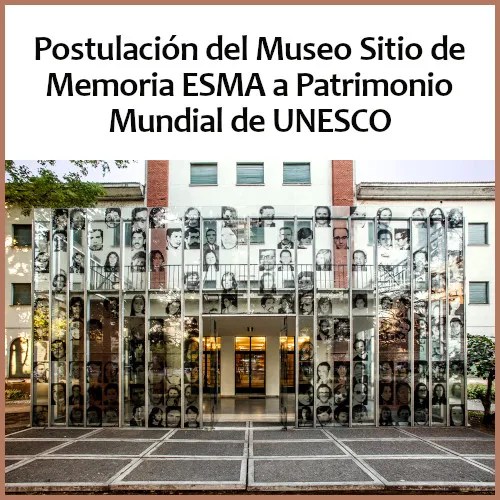
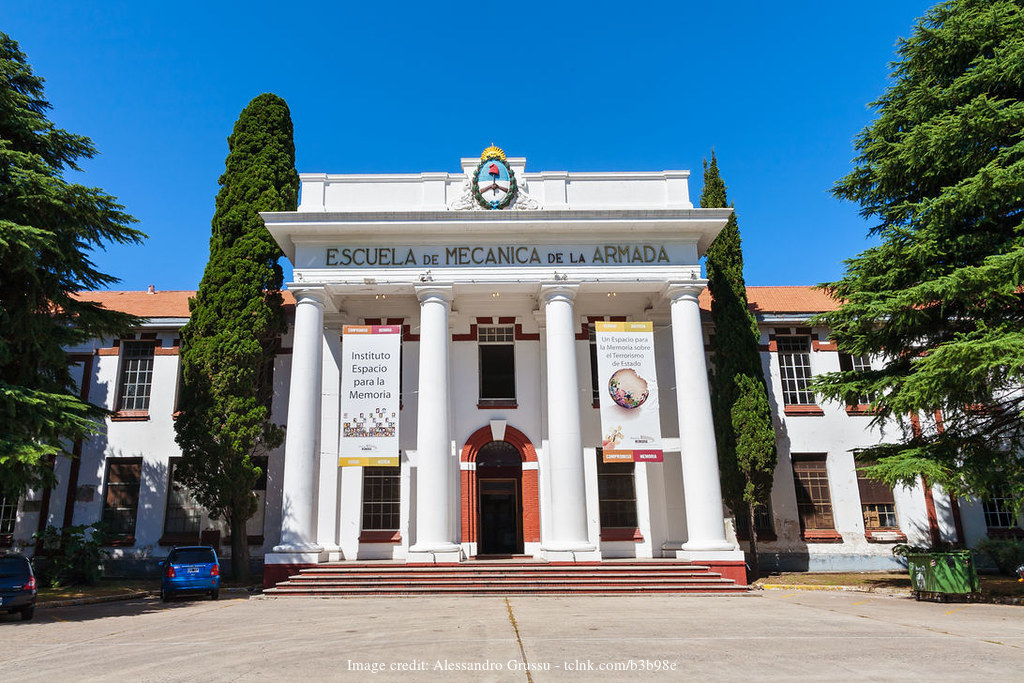
En el año 1999, dí una entrevista en un artículo en el diario Clarín, firmado por Nicolás Cassese, en el que denunciaba la demolición del edificio de la ESMA para construir, en su lugar, el Museo de la Memoria Nunca Más. Esa demolición había sido votada por ley y sancionada por Carlos Menem. Mi objetivo, con el apoyo de Guiomar de Urgell, era trasladar el museo a la Ciudad y entregarlo llave en mano al Estado nacional para evitar la destrucción del sitio. Fui a hablar con Antonito De la Rúa. No hizo nada. En 2001, sufrí un secuestro. Perdí una uña bajo tortura. No tengo pruebas de que haya sido por eso, pero tampoco tengo dudas.
Cuando fui Subsecretario de Cultura de la Nación, retomé el proyecto. Lo convertí en expediente. El kirchnerismo lo ejecutó, lo inauguró y se llevó todos los aplausos. Y está bien que así haya sido: ellos tenían el poder y el respaldo popular. Pero yo puse el cuerpo. Desde entonces sufro PTSD. No me comparo con los detenidos-desaparecidos, pero tampoco acepto que se relativice el costo de haber intervenido en la política cultural argentina con autonomía y sin red. Mi vida no valió, ni vale, lo mismo que la de los blanquitos de la casta. Ese fue el precio de ser, como dijo Grossman, un “sniper”.
Crítica y entierro: una ética del desacato
Permítanme ahora recurrir a Antígona. En la tragedia de Sófocles, ella desafía al rey Creonte para enterrar a su hermano Polinices, acusado de traición. No lo hace por sentimentalismo, sino porque cree que hay una ley superior a la del Estado: la ley de los muertos, de los dioses, de la memoria. El entierro no es solo un rito: es un gesto político. Es el acto que convierte al duelo en insumisión. Por eso Antígona es castigada.
En la tragedia de Sófocles, Antígona desafía al rey para enterrar a su hermano, acusado de traición. Lo hace por una ley superior a la del Estado: la ley de los muertos. El entierro es un gesto político. Es el acto que convierte al duelo en insumisión. Por eso Antígona es castigada.
Tweet
Este blog es, en ese sentido, un largo y productivo entierro. No de Cristina, ni del kirchnerismo, sino de mi generación. Y no es un entierro melancólico: es una crítica viva, que no busca pertenecer sino recordar. Espectral, sí. Pero lúcida. Porque la crítica, cuando se convierte en memoria encarnada, siempre incomoda.
Este blog es, como Antígona, un productivo entierro. El de mi generación. No es melancólico: es una crítica viva, que no busca pertenecer sino recordar. Espectral, sí. Pero lúcido.
Tweet
El lector espectral y el precio de no callar
¿Quién me lee? ¿Quién es mi lector argentino? No me interesa shockearlo ni complacerlo. Mis textos son, como diría Derrida, espectros que acechan desde el margen del archivo. No quieren aprobación porque saben que no la tendrán. Son voces que se fugan del presente para decir lo que no se puede decir cuando se forma parte de una clientela, de una red de favores, de una escena.
¿Quién es mi lector argentino? No me interesa saberlo. Mis textos acechan desde los margenes. No buscan aprobación porque saben que no la tendrán. Son voces que se fugan del presente.
Tweet
Cañete —y perdón por la tercera persona— se dematerializa y se convierte en un ghost in the machine. Una presencia sin cuerpo, sin inscripción institucional, sin cargo. Pero también sin miedo. Mi lector es aquel que pueda tolerar eso: que pueda desear pensar sin pertenecer. Que entienda que escribir desde la herida no es buscar venganza, sino nombrar lo innombrable.
Cañete —y perdón por la tercera persona— se dematerializa y se convierte en un ghost in the machine. Una presencia sin cuerpo, sin inscripción institucional. Pero sin miedo.
Tweet
Epílogo: la crítica no es un deporte
Grossman termina diciendo: “Una crítica que ya no discute con el poder real, sino con sus viejos compañeros… una crítica que se volvió deporte de espectadores…”.
No. No hay crítica que sea deporte. En cuanto se vuelve espectáculo, se transforma en autoafirmación, en consigna, en plegaria. Mi crítica es una práctica de riesgo, no una performance para convencidos. No escribo contra Milei —eso sería fácil— sino contra los que se adjudican representar la oposición progresista y terminan repitiendo, sin saberlo, las mismas formas de exclusión, censura y desprecio.
Cristina no es Eva, ni Antígona. No cree en lo espectral. Cree en el reparto. Por eso su escena —la de Grossman, la de la cultura como escenografía del poder— me expulsó. Y por eso regreso desde este blog: no para pedir lugar, sino para hacer memoria.
Spectral Manifesto: Cristina In Jail, Grossman Unbound, My Marginal Self’
This blog is a long, productive (and thus not melancholic) burial of my generation.
Tweet
The Return of the Blog: Writing from the Edge
My post about Cristina, titled Cristina, the Madwoman: Between Sanctity, Martyrdom, and Emptiness, stirred what might be called a dust storm. That doesn’t surprise me. But this new stage of the blog no longer seeks quick effects or lightweight polemics. If anything has changed over the years—besides my voice and my body—it’s the awareness that writing is an aesthetic-political act that does not seek approval. The goal isn’t to accumulate likes or casualties, but to carve out space for what cannot be said otherwise.

Criticism came—as expected—from the progressive, kirchnerista circles of the capital. But unlike in the first phase of the blog, I now refuse to ignore the fact that these reactions arrive privately, never publicly. They manifest through emails, veiled messages, or off-the-record comments that never dare to appear openly. The post was read by more than fifty thousand people. My inbox filled with insults—every one of them centered on the same issue: my positionality. That is, the place from which I fire. And thus appears the figure of the sniper: the one who writes from a rooftop, hidden, unaffiliated with any visible army.
I agree: words can be more effective than bullets. I’ve proved that before. Loveartnotpeople.org, during its first decade, ended—almost lyrically—with a physical assault that had, I believe, no direct relation to the blog. But the coincidence between symbolic and physical violence is part of the mechanism that activates when one breaks the codes of cultural caste. And that’s precisely the point.
Grossman, Critique, and the Field That ‘Expelled’ Me
I’ve known Javier Grossman for over thirty years. We shared a great deal, especially at the beginning of my career. Grossman is a key figure in Argentine culture for his singular ability to bridge cultural production, state governance, and political strategy. As the creator of the legendary nightclub Babilonia in the 1990s, he was a pioneer in linking Buenos Aires nightlife with experimental artistic practices and a contracultural queer sensibility. Later, from within the State, he conceived and led Tecnópolis, the kirchnerista mega-project that translated the national-popular imagination into spectacular form. His closeness to Cristina Fernández de Kirchner made him a first-rate cultural operator, able to shape national narratives through public policy, mass performance, and staged identity, consolidating an idea of culture as both symbolic battleground and affective discipline. With Alberto Fernández’s rise, Grossman grew stronger as a cultural entrepreneur and withdrew from politics—though, if I’m not mistaken, it was in one of his venues that Alberto’s electoral victory was celebrated.
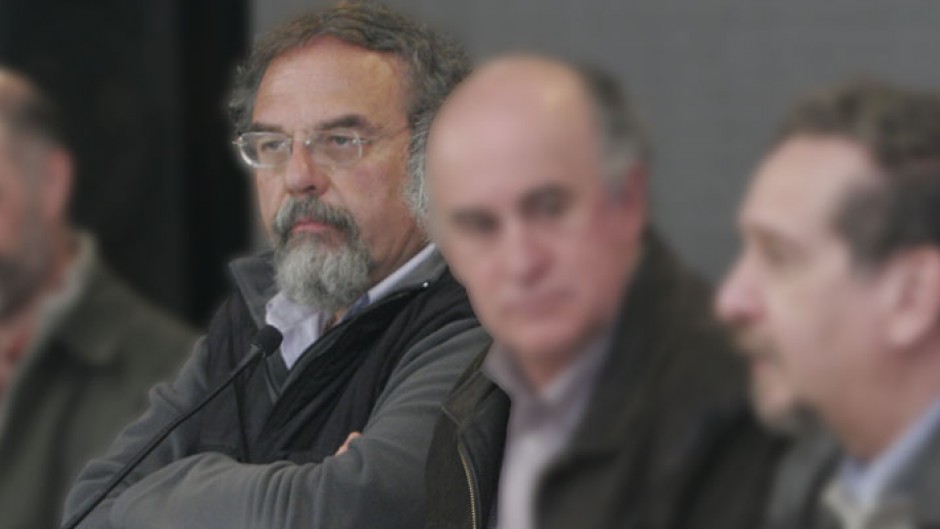
The message he sent me after reading the post has two main axes that I’ll take as distinct parts. I’m not particularly interested in his opinion of Cristina—it’s easily countered—but rather in his opinion of my position and motivation. This post does not aim to put Grossman “in his place”—who am I to do that?—but rather to recalibrate the meaning of what you, readers, will encounter in this space and in my forthcoming videos. Or more precisely: to ask myself who you are. That’s why I want to explore why I do what I do here, and what I seek in doing it.
What Hurts and What Cannot Be Buried
Grossman writes:
“Rodrigo, I read your text with the usual mix of fascination and discomfort provoked by things that are well-written and politically fierce (…) and it shows (…) the place from which you fire: an emotional exile from progressivism, an aesthetic rupture with the field that formed you, and an urgent—truly urgent—need not to appear part of what you still hate to love.”
And he adds:
“At times, your texts seem like a form of mourning for something you still can’t bury. I’m not reading from the outside. I’m not neutral. I don’t care to be (…) And that’s why it stings—painfully so—when you decide, with that surgical precision of yours, to reduce the entire scene to the performative delirium of a ‘useful madwoman’. Later, Grossman turns to your tone, referring to cynicism as the new enlightened knowledge. That superiority from which everything muddy, contradictory or popular is despised. And that includes you.”
And here comes the line that opens what I want to explore:
“Your text wounds because it is full of memory. Of a memory resentful toward the progressivism that expelled or ignored you. But there’s something in that wound that, instead of opening debate, sometimes chooses to punish. To strike from elegance. To sneer from the archive. To mock from on high. And that’s where you get tangled. Because you cannot be both martyr and executioner. Or rather: you can—but that makes you part of the same hall of mirrors you criticize…”
This passage matters to me not because of its reproach, but because of what it reveals: the impossibility, within Argentine progressivism, of imagining a criticism that isn’t resentful. The idea that if one doesn’t belong, it’s because one wasn’t invited in—not because one chose to leave. That if you shoot, it’s because you’re wounded. That criticism of one’s “former comrades” must be treachery.
I am not mourning Cristina or kirchnerismo. The mourning I carry is different. It belongs to a generation broken by a political class—progressive or not—that destroyed any emancipatory horizon out of greed, fear, or calculation. That mourning has a body: mine. And a central moment that must be told.
The Body, the Price, the Memory
In 1999, I wrote an article in Clarín—signed by Nicolás Cassesse—opposing a bill that authorized the demolition of the ESMA building to construct the Nunca Más Memory Museum. That law had been passed during the Menem administration. My idea—supported by Guiomar de Urgell, then Director of Museums for Buenos Aires—was to bring the museum into the City’s orbit, bypass De la Rúa, and deliver it turnkey to the National Secretary of Culture. I had a pathetic meeting arranged by Coti Nosiglia with Antonito de la Rúa. He shelved everything.
In 2001, I was kidnapped and tortured. I lost a fingernail. I can’t prove it because I was not allowed to go to the police by the people I put my trust on. When I became Undersecretary of Culture, I resurrected the project as a formal proposal. Kirchnerism took it up, implemented it, and received the praise. That’s fine—they had the popular mandate. But I put my body on the line. And ever since, I’ve lived with PTSD. I don’t compare myself to the disappeared. But I do affirm that my cultural decisions had consequences. And that was the reason for my departure. When I went to tell Leopoldo Moreau, my then-political patron, what had happened, he ignored me.
That abandonment haunted me all my life. Realising, in moments of extreme risk, that my life does not have the same value as the lives of Argentina’s white-caste elites or institutional darlings. Being a lone wolf—or a “sniper,” as Grossman says—has a cost. That’s the issue here.
Burial and Critique: Ethics of Defiance
Let me invoke Antigone. In Sophocles’ tragedy, she defies King Creon’s edict forbidding the burial of her brother Polynices, considered a traitor. But for Antigone, the burial isn’t just a religious rite—it’s an act of love, of familial loyalty, of obedience to a higher law: that of the gods and ancestral justice. Her decision to bury her brother, even knowing it will cost her life, turns the funeral into a political and tragic gesture. It’s a claim to subjective sovereignty against authoritarian order, a challenge to a power that uses forgetting as punishment.
Let me invoke Antigone. In Sophocles’ tragedy, she defies King Creon’s edict forbidding the burial of her brother Polynices, considered a traitor. But for Antigone, the burial isn’t just a religious rite—it’s an act of love, of familial loyalty, of obedience to a higher law
Tweet
The burial, then, is not just an ending—it’s the core of the conflict between memory and silence, between the human and the inhuman. This blog is a long, productive (and thus not melancholic) burial of my generation.
The Reader and the Specter
Now I arrive at the real object of this post: the identity of my Argentine reader. I know they’re out there—thousands of them. I don’t care to shock them, or even to be read. These texts are, to borrow from Sophocles, funerary—but in my own sense: haunting and spectral. My books are part of a performative practice in which Cañete—excuse the third person—dematerializes and becomes a ghost in the machine, trapped inside the virtual space of the computer. The Cañete you read doesn’t address you and doesn’t seek your approval. He is spectral and plays with time—he stretches it.
My books are part of a performative practice in which Cañete—excuse the third person—dematerializes and becomes a ghost in the machine. Who you read doesn’t address you and doesn’t seek your approval. He is spectral and plays with time—he stretches it.
Tweet
He doesn’t want your approval because he knows he’ll never have it—for reasons we all understand. Living a life without autonomous judgment hurts. And when that autonomy is finally achieved, one often finds that there was no time left for self-cultivation, to escape the soap opera implanted by one’s public or private education. It’s hard to live a life diagrammed by others. My reader is someone who can do so when they decide to be one. I’m not here to debate but to share. And those who can’t endure the “edge,” the “resentment,” the “abjection,” the “cynicism,” the wound of what I write will go through their own mourning: first anger (that’s where Grossman and kirchnerismo are now), then the recognition of loss, and finally the opening to something new.
Epilogue: No Critique Without Risk
There’s one final quote from Grossman that I must address. He writes:
“Your text wounds because it is loaded with memory. A memory resentful of the progressivism that expelled or ignored you. But there’s something in that wound that, instead of opening debate, sometimes chooses to punish.”
Let me be clear: I don’t write against Milei because he’s too easy a target. That would mean writing for those already convinced that Milei is a murderer. I write against those who claim to represent the progressive opposition to Milei. In that space, Cristina is the anti-Antigone—she does not believe in the spectral, only in the distribution of power. That’s why she is not, was not, and never will be Eva.
Cristina is the anti-Antigone—she does not believe in the spectral, only in the distribution of power. That’s why she is not, was not, and never will be Evita.
Tweet
This is Grossman’s great misreading. He’s too close to it to see. He says: “You say progressivism has lost its language. That it repeats. That it can no longer name the world. That may be. But there’s something more dangerous: a critique that no longer engages real power, but only former comrades. A critique that becomes a spectator’s sport. That feeds on the symbolic collapse of former references as if vengeance were justice. But it’s not.”
No. There is no critique that is sport. As soon as it becomes a sport, it ceases to be critique—it becomes self-affirmation, positive thinking, a mantra, a fear.
cliquea en la imagen para hacerte socio de mi canal de youtube y hacer todos los cursos. Se viene en vivo mi curso de todos los cursos en su segunda edicion. Stay tuned.

Critique requires pain, solitude, and risk. And the only thing I am burying here is my right to remain silent.
Tweet


Deja una respuesta