
Let’s celebrate this divine (of course I’m being ironic) gift called friendship with a short story. It starts a series of reflections on friendship that will take this whole week.

Molly, The Hastings Novelist
Let’s celebrate this divine (of course I’m being ironic) gift called friendship with a short story. On January 1st, 2024, I was meant to be in Madrid with a sex buddy with whom we have had an in an out, literally and metaphorically, relationship for the past ten years. He is a well known Shakespearean actor and I am a very accomplished Calderon De la Barca human being. Very accomplished because of how I embody De la Barca’s schizoid weltanschaung. Instead, I had to stay in Hastings, where I had been isolating the previous weeks to finish my PhD thesis and my next book that was supposed to be delivered by the end of January. The night before, and one day that week, I started to have hallucinations.
I enjoy my solitude—in fact, I could not live without it—but this time I felt disorientating and dangerous. I called 999, the emergency services, twice that week. The second time was just after, on TV, the London Eye marked that we were no longer in 2023. It was the first time I had spent New Year’s Eve by myself. I was not feeling well. When I dialed 999, the operator asked with her metallic voice and attitude, “Are you saying, sir, that there are people inside your furniture and they are threatening you?”
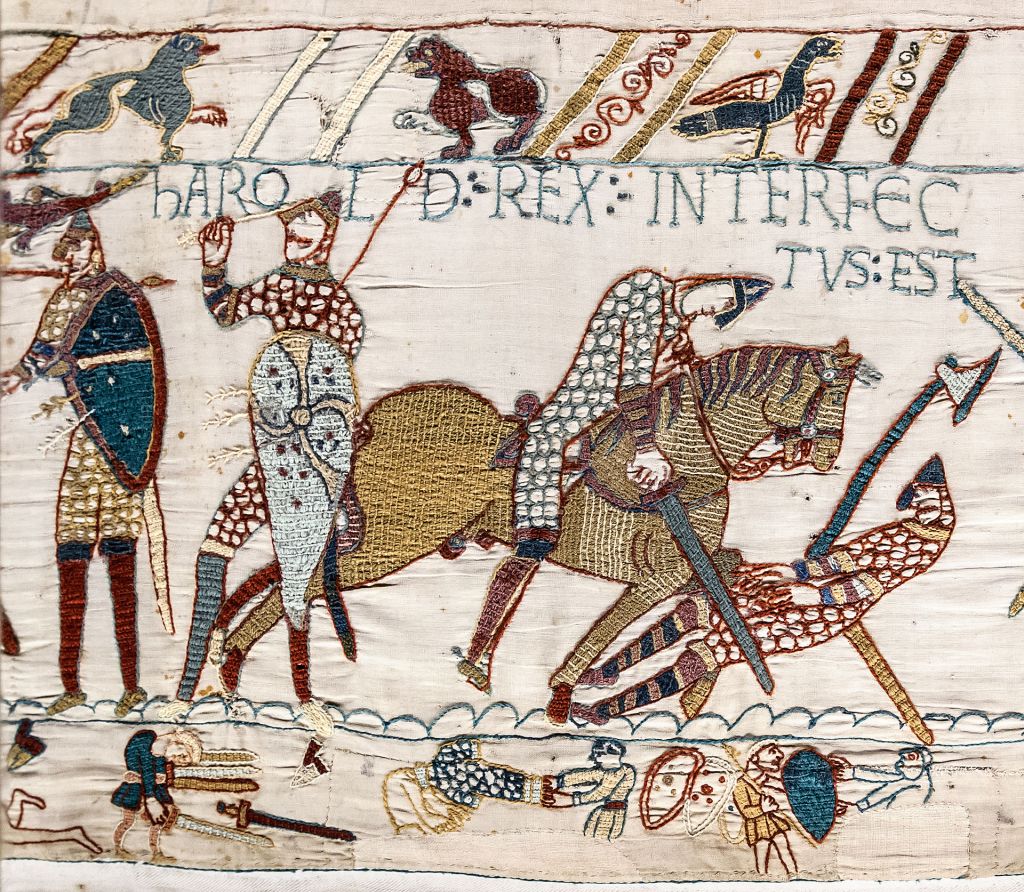
The tone—that sentence—marked the moment I realised something was deeply wrong. And that I was completely alone and for the first time in my life, I felt lonely, So I took a Zopiclone and went to sleep. I couldn’t. The phone kept ringing—from Buenos Aires, from London—and I chatted with a few friends whose names I do not recall. Tired of waiting, I went to my desk in the living room and distracted myself by revising my thesis. At lunchtime, tired and certainly paranoid, I went to bed to read and soon that turned into a nap. What happened after that is difficult to tell because, soon later, I found myself passing the threshold that separates sleeping from passing out.
Had I been drugged in my own flat? I woke up disoriented and in terror. I remember—but is that memory reliable? an iPad floating above my face, and a voice saying: “You’re going to do whatever we ask you to.”
Tweet
Had I been drugged in my own flat? I woke up disoriented and in terror. I remember—but is that memory reliable?—my body half off the bed, an iPad floating above my face, and a voice saying: “You’re going to do whatever we ask you to or we are going to humiliate as you could have never imagined.” The word ‘humiliate’ did not speak of a common robbery but of something better orchestrated. I felt there were two other people in the flat—in the living room—. Nothing was stolen. Did it happen? Had I gone mad? If anyone entered, they had keys. I had locked everything. But something had happened—whether real, imagined, or both. It was bizarre, but it had already started a week before with my first call to 999. Did anyone have a substantial reason to access my iCloud? What if anyone inserted anything blatantly illegal to create a homophobic show with the lonely foreigner? That particular week there were more material reasons to enter my account but to do it, my Face ID was needed and for the Face ID to work, I cannot be dead or faint. So they slapped me and I woke up. That was the moment I remember. In my insane terror, there was logic. I remember seeing my IPad hovering over my face.
Did it happen? Had I gone mad? If anyone entered, they had keys. I had locked everything. But something happened—whether real, imagined, or both.
Tweet
So I decided to do the opposite of what is expected from an individual in Britain: I made myself hypervisible. I walked out onto the balcony that overlooks the rather imposing Wellington Square in an orange fur-lined ski jacket, barefoot, half-naked, shouting: “I’ve been attacked. I’ve been raped.” I stayed there for approximately twenty minutes in fear of going back in. No one came. The entire square, empty… of solidarity. The neighbours, the windows, the town—silent. Whether it happened or not, that is an image that I will never forget and that changed my view of Britain, forever. That is not liberalism. That is not individualism. That is something altogether different, more linked to fear and the alien as a weirdo.
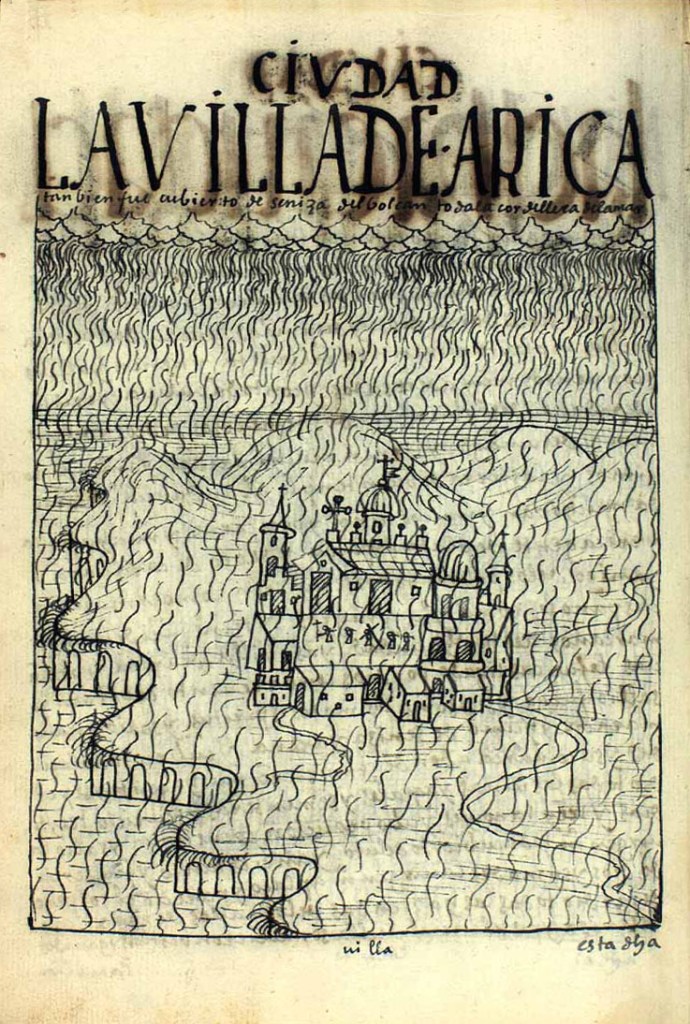
Semi-naked, I walked out onto the balcony overlooking Wellington Square. I cried for help. The entire square, empty… of solidarity. The neighbours, the windows, the town—silent. Neither liberalism or individualism but fear… to what?
Tweet
So I decided to escape my flat. I ran down the stairs, out into the street, half-naked. Something hit my calf as I was trying to leave the building… maybe a muscle tear, maybe something else: an air gun?. I could barely walk, let alone run. I limped toward the only person I thought I could trust: my best friend, whose name I howled: Molly! Molly! Molly!
Molly was my best friend, my confidante. I arrived at her door scratched, shivering, dissociating—and she opened without surprise. That’s what frightened me the most: her lack of shock. As if she had written the scene in advance and was now watching it unfold. I walked into her house believing I would find refuge. I knew her well: a renowned horror writer, someone I had shared thoughts and confidence with for two years, at least, twice a week. The warmth of the setting clashed violently with the coldness of her reception.
I tried to explain that something had happened to me, that I didn’t understand what it was, that maybe I was hallucinating. But instead of support, she opened the door to the police. Everything happened quickly. They separated me from her as if I were a threat. I had come seeking help and found myself criminalized. I felt the bond snap right there, in that decision.
She had experience in mental health. She had gone through psychotic episodes herself when married, and she suffered from mental health conditions that had allow her to find a niche in the troubled English literary market. But she didn’t offer empathy—just distance. Her demeanor turned cold, almost bureaucratic. She looked at me with a mix of guilt and revulsion. A week before, she had called me from the hospital and I didn’t hesitate to take a taxi and be beside her. Her family arrived hours later with the wrong attitude.
My then best friend opened the door and her demeanour was cold, almost bureaucratic. She looked at me with a mix of guilt and revulsion. A week before, she had called me from the hospital and I didn’t hesitate to take a taxi and be beside her. Cultural differences? Envy? Racism? Homophobia?
Tweet
The flat was porous. There were two spare sets of keys. Molly had one and Josh, my next door neighbour and former maintenance guy, the other one. She clearly understood my fragility, but she chose to hand me over to the authorities right away and to the wrong ones. Plus the police arrived too soon and the wait was far too long after their arrival. What had been a friendship full of complicity turned into a scene of betrayal. The shared space became the stage of an expulsion. But from where?
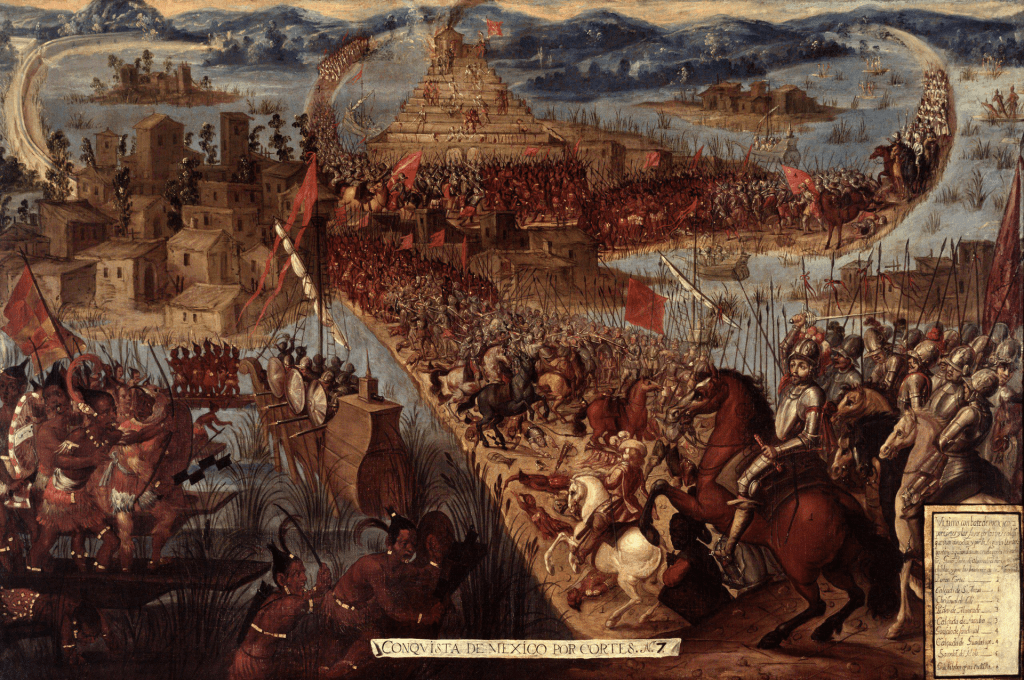
The word ‘humiliation’ appeared inside my head as if in a loop. Terror took over. I felt the floor vibrating, as if something was coming for me. I thought she was in danger too. I wanted to warn her, to protect her. But she no longer believed me. I asked to speak to the consulate—I repeated it many times—but no one acted. She had to be forced by the police to give me a couple of trousers, very clown-like—and a pair of tiny high heeled Crocs, a pajama that felt like mockery and shoes that were almost deliberately thought to make me suffer if born in mind that I could hardly walk at that point. She did it all half-heartedly. The police had to insist. That night I understood that friendship, in certain contexts, is a luxury to be managed. That when someone sees you as a risk, they stop being your friend and become just another witness to your abandonment.
Molly had to be forced by the police to give me a couple of trousers, and high heeled Crocs, deliberately thought to make me suffer if born in mind I was limping. Cruelty or a price tag for friendship?
Tweet
My psychosis went even further and, from extreme fear, I fell into terror. I looked at her and said, “Please look into my eyes and tell me what is going on.” She refused, but I insisted—despite the officers keeping us apart, as if I were a threat to her. She rolled her eyes, as if in resignation. She didn’t seem scared. I understood her impulse to call the police rather than an ambulance. But why not try to comfort me? Why choose the logic of control over the logic of care? Why throw me to the wolves?
I looked at her and said, “Please look into my eyes and tell me what is going on.” She refused, but I insisted—despite the officers keeping us apart, as if I were a threat to her. She rolled her eyes, as if in resignation.
Tweet
Then came the turning point. The way she spoke about me had nothing to do with our weekly literary chats, champagne in hand. She talked about substance abuse. Then she added, “I didn’t know he was into that kind of sex.” I might have imagined it—but over the following month and a half, she repeated it. She even called friends of mine to convince them that I should be sectioned. Was she after a guardianship? Britney-style? The previous week, she had asked me how much my watch was worth, along with the value of three paintings that hung on my walls. I think I made the mistake of exaggerating the price of one of them. It was meant to be a joke.
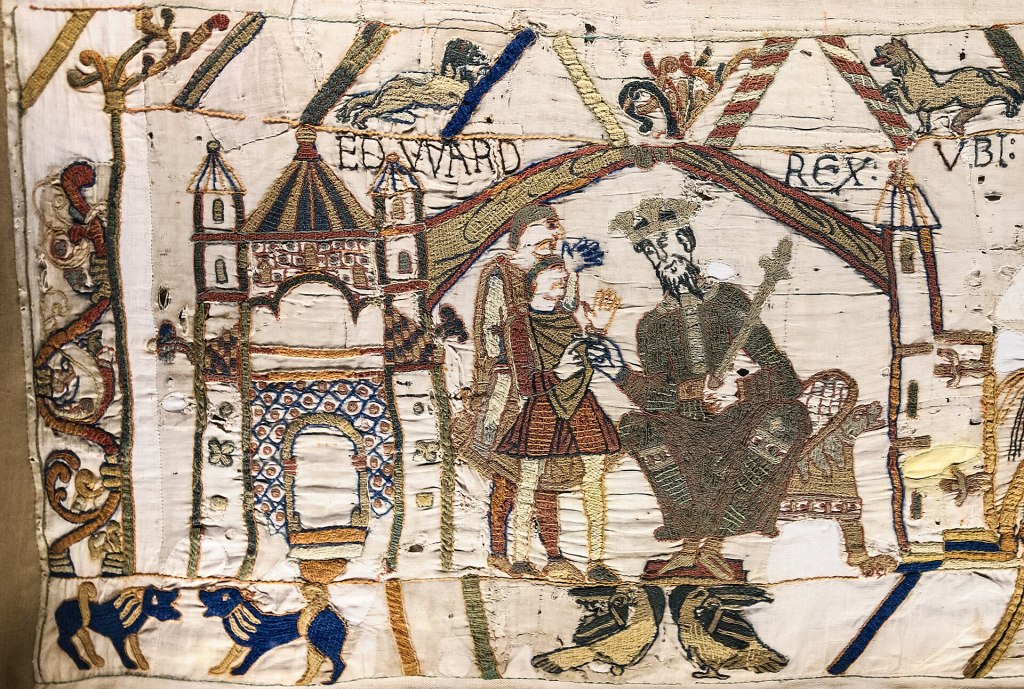
Was she after a guardianship? Britney-style? The previous week, she had asked me how much my watch was worth, along with the value of three paintings that hung on my walls. I made the mistake of exaggerating the price of one of them.
Tweet
And off I went to the hospital, where the real nightmare began.
She did not come to the hospital with me or send any of the members of her family who lived round the corner from it. I was dispatched without wallet, phone, change of clothes. When the police and I arrived at the hospital, they left me there disoriented. I became a “case.” Not a person. Not a patient. Every time I opened my mouth, I realised that I was totally incoherent so I decided to say the minimum but I was already experiencing dissociation, I was living in a different dimension whose narrative was horrifying but beautiful. In the real world, I was something to be managed. A file. A foreign nuisance. The language of care had been contaminated by the language of control. There was no difference between protection and detention. Molly had rewritten the frame: from friend to suspect. And she did it without explicit violence, but with the precision of someone who knew the codes. She chose self-preservation, not solidarity. She did not call the hospital. She did not send a taxi when things were, according to the hospital, very wrongly, over. Her late father had served as a judge in the Old Bailey. She knew the strings.
She did not send a taxi when things were, according to the hospital, very wrongly, over. Her late father had served as a judge in the Old Bailey. She knew the strings.
Tweet
With time, I came to understand that what happened wasn’t just personal abandonment. It was an institutional handover. A transfer of responsibility disguised as care. They marked me as a risk, not as someone in crisis. I was scared because of the narrative of my psychosis, of course but I was also scared because of that change of registers that I saw in my friend. And my fear wasn’t heard—it was interpreted as a threat. It was translated into clinical language, stripped of context. I wasn’t held. In the diagnosis, everything that had happened before disappeared: the attack, the confusion, the cry for help. As if the source of the pain had never existed. I remember telling them that I had called from my AppleWatch to my friend in Chile, the laureate poet Carmen Berenguer who was already in touch with the Chilean Foreign Office. She called the Argentine Embassy but no one paid any attention. I said that in case anyone at the hospital was thinking about doing something silly with the foreigner gay only child leaving alone and enjoying, at an expense that I had not thought about before, his independence. I begged for a toxicological report that it was their duty to perform.
Molly never came to the hospital nor the police where I later ended up after blatant mala praxis. She did not go to my home—which was only 50 metres away—to get me a change of clothes, as I had done for her a week earlier. She did not fetch my phone so I could pay for a taxi back home. She refused to call the Argentine Consulate, which I found particularly concerning. The policemen were there and they did not call either. I asked them many times to do so. It was a violation of the Vienna Convention at that point. It could easily qualify as kidnapping if you consider that I was left waiting for three hours possibly with a substance that could be dangerous for my life. Were they waiting for me to die, so she could then go to my house and collect my watches, my paintings, that sculpture she loved so much? Could it be about that? Surely not.
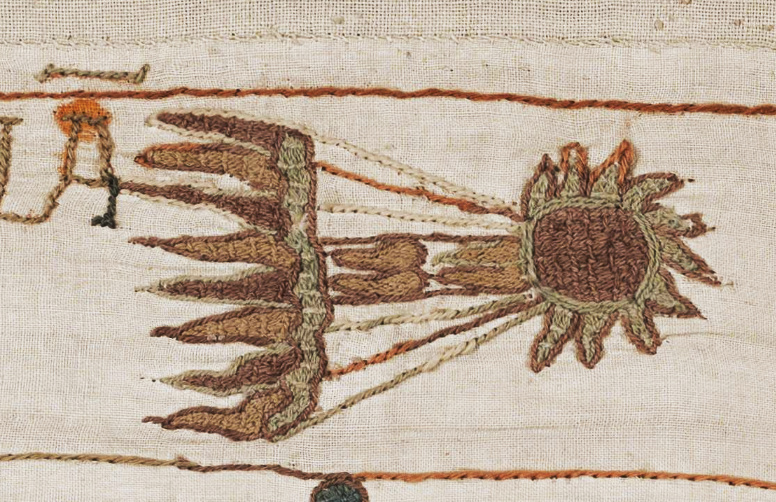
She refused to call the Argentine Consulate. The British policemen too. I asked many times. It was a violation of the Vienna Convention at that point. It could easily qualify as kidnapping after three hours without allowing me to go by myself.
Tweet
That night changed my understanding of friendship. I realized that being foreign, queer, alone, and in crisis is enough for the system to erase you. Not with bullets, but with forms. Not with shouting, but with indifference. If she acted under pressure—because her behaviour was unrecognisable—and if there was an organised criminal scheme behind it thinking they could dispose of me by injecting me and making me overdose, my death certificate would’ve said so. And the worrying, painful thing is that people would have believed it. What destroyed me wasn’t madness itself—it was the way it was framed.
Molly wasn’t just a friend who failed me. She was the figure who, like in her novels, activated the narrative mechanism of betrayal: the one who smiles while calling the monster. But this time, the monster didn’t have fangs. It wore a uniform, carried protocol, and held an intake form. She even handed me a knife, which I wrapped in a cloth and threw in the garbage. But weren’t the officers supposed to keep us separated? How was that exchange even possible?
Molly wasn’t just a friend who failed me. She was the figure who, like in her novels, activated the narrative mechanism of betrayal: the one who smiles while calling the monster.
Tweet
Friendship as Impossibility
Friendship, in its deepest sense, might be an impossibility. There is a disturbance here—a seismic shift we’d do well to trace: the geological contours of a political revolution. Not a loud one, but no less disruptive. A reconfiguration of the concept of friendship as we’ve inherited it. Nietzsche takes up this challenge. He argues that believing in friendship out of narcissism or fear of solitude is simply foolish. We are, first and foremost, friends of solitude—and what we truly call for is the sharing of that which cannot be shared: solitude itself.

Friendship, in its deepest sense, might be an impossibility. There is a disturbance here—a seismic shift we’d do well to trace: the geological contours of a political revolution. Not a loud one, but no less disruptive
Tweet
The Jorge Luis Borges’ Contactless Friendship
Enter Borges, with his very Argentine conceptual yes but no but yes but no. Derrida responds directly:
“Without truth? We should wait and see. What truth is there for a friendship without proximity, without presence—therefore without resemblance, without attraction, perhaps even without significant or reasonable preference? How can such a friendship even be possible?”
You cannot love from a distance. Derrida continues:
“This is not all they love (and I, would put Borges and the Palermitanos and Buenos Aires Mafia of Love here), but they love; they love lovence, they love to love—in love or in friendship—provided there is this withdrawal. Those who love only in cutting ties are the uncompromising friends of solitary singularity. They invite you to enter into this community of social disaggregation [déliaison], which is not necessarily a secret society, a conjuration, the occult sharing of esoteric or crypto-poetic knowledge.”
Borges was a master of this kind of affective esotericism. We are left with friends seeking mutual recognition without ever truly knowing each other. In a way, Borges inaugurates the concept of a community without community that haunts my country.

When Friends Disappear
And so we arrive at the friend who vanishes—the one who doesn’t call when you need them most. That’s precisely when we must begin to speak of a politics of friendship. A good politician does not rely on certainties, on fixed names or stable identities. Anything else is mafia—a manipulation of power disguised as intimacy.
Aristotle versus Borges
There is, admittedly, something refreshingly practical in Borges’ take. It contradicts Aristotle, who warned that one must not have too many friends, for there isn’t enough time to put each to the test through shared life. You must live with each one. With each him. With each her. But is that even possible?
There is No Friend Without Time
Borges famously claimed that friendship does not need time or space. But let’s refute him: There is no friendship without time—that is, without what puts confidence and trust to the test. Trust needs chronology. Engagement in friendship takes time, gives time, endures time. It carries beyond the present and stretches both memory and anticipation.
From Narcissism to Power
And if, for the Ancients, friendship was about loving rather than being loved, what happens when friendship is faked? Let’s remember: one can fake something without malice. One can fake love even to oneself. That’s why friendship is always political—and never neutral.
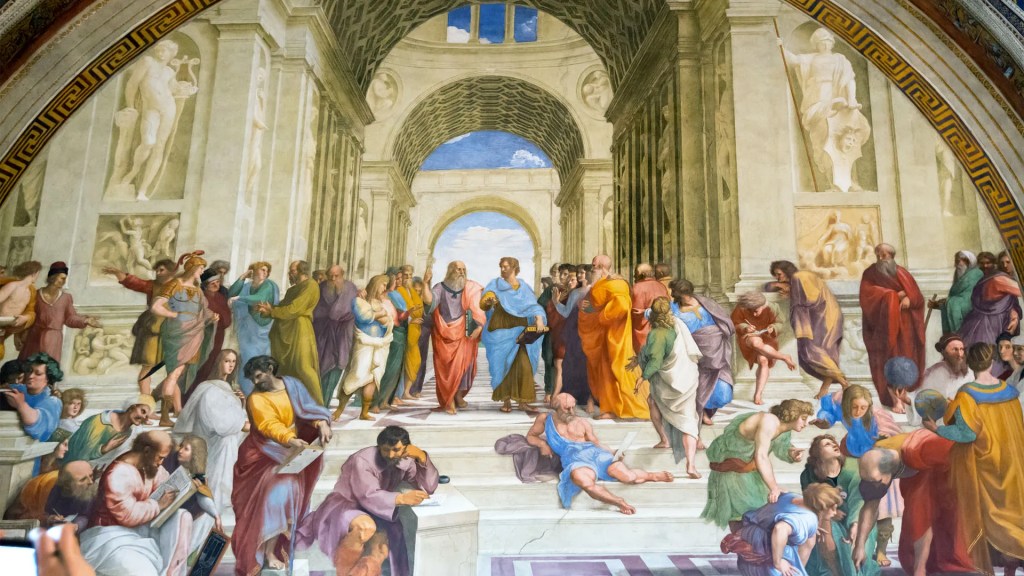
Tomorrow, I’ll return with concrete examples from my life. Names, dates, absences. Because the betrayal of friendship, when masked as care, is not just personal—it’s structural and if there is a Friend’s Day, my Friends’ Week must be thorough. J. A. T.
hacete miembro de mi canal de youtube y disfruta de todos los cursos grabados a nuevo. Cliqueá aquí
 Loveartnotpeople.blog
Deja una respuesta