LA VERSION EN ESPAÑOL AL FINAL DEL POST
I. The Market Will Read You Now
It is no longer possible to speak of a “crisis” in British cultural criticism. What we are witnessing is not a momentary lapse or ideological derailment, but a systemic collapse — aesthetic but, most worryingly, ethical and intellectual. The agents of this collapse are not who one might expect. They are not Nigel Farage-style reactionaries or tabloid agitators. Are they? They are, for the most part, professional feminists, genteel liberals, and career critics who have mastered the art of righteous indignation while domesticating dissent into a marketable tone.
It is no longer possible to speak of a “crisis” in British cultural criticism. What we are witnessing is not a momentary lapse or ideological derailment, but a systemic collapse — aesthetic but, most worryingly, ethical and intellectual
Tweet

This collapse is not merely visible in the institutional turn of criticism — the entanglement of media, publishing, academia, and state ideology — but also in the very form and content of the works produced by its agents. Literature and visual culture no longer emerge as challenges to the statu quo but as elaborate confirmations of it. The critic becomes a lifestyle curator, an neo-liberal intelligence cultural agent. The novel, a therapeutic workshop for a demographic self-groomed as victims: the visual arts exhibition a diversity report. A box to tick. What has replaced critique is a form of performance: self-conscious, over-credentialed, and hollow. The language of “intersectionality,” “queerness,” “decoloniality,” is not discarded but repurposed. These terms become the very instruments of depoliticisation, neutralising the possibility of rupture. This is not Theory. It is a grant-form writing style.
Literature and visual culture no longer emerge as challenges to the statu quo but as elaborate confirmations of it. The critic becomes a lifestyle curator, an neo-liberal intelligence cultural agent
Tweet
In this context, it is no coincidence that the most reactionary impulses — anti-trans hysteria, ethnic erasure, the stealth vilification of sexual and aesthetic difference — now wear the mask of care, inclusion, and narrative redemption. The problem is not just that the wrong people are in power. The problem is that power has mutated into a network of self-reinforcing legitimacy. The critic is also a novelist. The novelist writes a blurb for her friend. The friend is on the prize committee. And the prize committee appoints the curators. This has gone truly wrong. It is not a cabal. It is worse: it is a market.
The problem is that power has mutated into a network of self-reinforcing legitimacy. The critic is also a novelist. The novelist writes a blurb for her friend. The friend is on the prize committee. And the prize committee appoints the curators. This has gone truly wrong.
Tweet

II. Craig, Harris and Gardner, and the Literary Sisterhood of Discipline
Amanda Craig and Sally Gardner are not marginal figures. They are deeply embedded in the British literary apparatus — published by major houses, reviewed in national newspapers, decorated, televised, and domesticated. Their fiction, however, is not merely domestic in subject matter. It is structurally and ideologically committed to reproducing a moral order rooted in white, middle-class, liberal certainties. This is not the satire of Austen. It is managerial novelism with a twisted ideological undertone or, alarmingly, purpose.
Amanda Craig, Jane Harris and Sally Gardner are not marginal figures. They are deeply embedded in the British literary apparatus — and reproduce a moral order rooted in white, middle-class, liberal certainties.
Tweet
Let us begin with Amanda Craig. Her reputation as a “moral chronicler” of middle-class Britain is underpinned by novels like The Golden Rule (2020) and her recently released The Three Graces (2023). They present themselves as socially conscious while operating within the narrowest of moral geographies. The Golden Rule attempts to reimagine Strangers on a Train in a Cornwall populated by Brexit voters, single mothers, and sinister aristocrats. What passes for “nuance” is in fact a flattening of class antagonism into melodramatic suspense that ends up doing the opposite that it announces. The villain is abusive. The poor are mysterious. Redemption comes through heterosexual reparation and a reinstatement of familial stability.
In The Three Graces, set in Tuscany, the racism is no longer latent but allegorical. The English protagonists — retired, cultivated, always in mild distress — encounter the locals through a lens of romanticisation and caricature. Italians are either servants, gigolos, or beggars. The migrant figure — an asylum seeker — appears not as a subject but as a foil for British ‘good sense’ and superior morality. The book engages with “issues” (refugees, populism, age) in the same way one might engage with a weekend market: as consumable textures. The result is not commentary but consumption.
Amanda Craig’s The Three Graces is set in Tuscany, the racism is allegorical. The English protagonists — retired, cultivated, always in mild distress — encounter the locals through caricature. Italians are untrustworthy or infantilised. The migrant figure — an asylum seeker, not the English lady, God forbids! — appears not as a subject but as a foil for British ‘good sense’.
Tweet
It is in the symbolic that this becomes clearest. The treatment of the Italian setting recalls E.M. Forster without the internal conflict. The legacy of the empire, of British interference in global displacement, is entirely absent. Craig’s cosmopolitanism is rooted in entitlement, not encounter. The Italian other is never a voice — only a function. A butt.

Craig’s use of art references in her anti-transsexual crusade is telling and copies the dynamic of her novels. In one post on X, she praised a male colleague’s observation about Vermeer through the obvious trope of the Master’s dominion of light, repeating received ideas with the air of critical insight. When I observed that, in Vermeer’s The Milkmaid for example the issue was not optics but the luminous in its metaphysical immanence aceptino— she reacted not with reflection but dismissal. She blocked me For Craig, art is illustrative. It exists to confirm bourgeois taste, not to disturb it.
For Craig, art is illustrative. It exists to confirm bourgeois taste, not to disturb it. Very much like for JJ Charlesworth.
Tweet
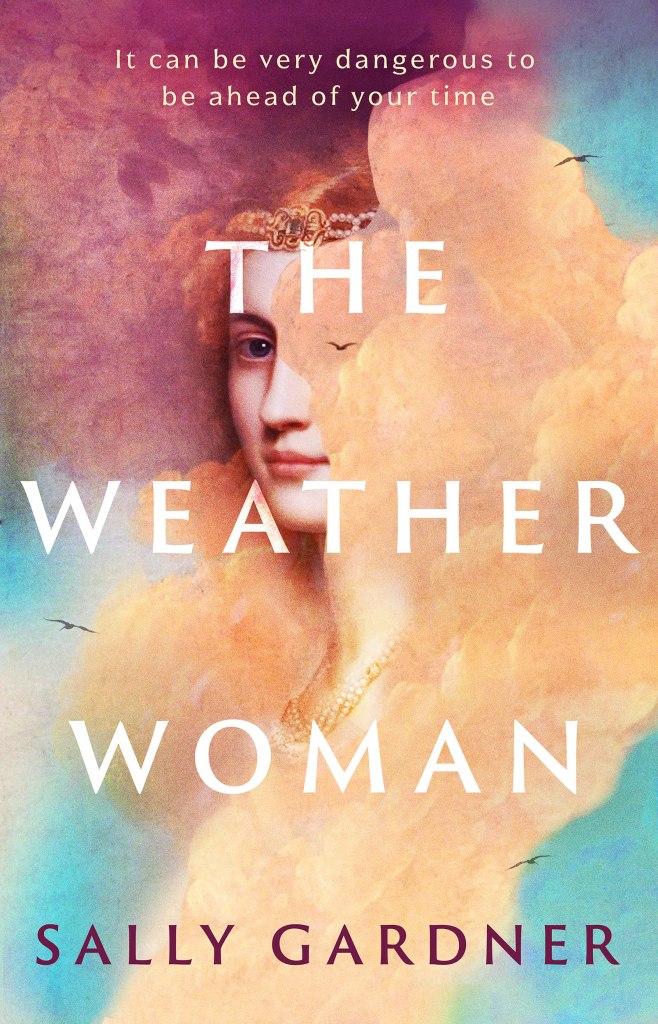
Sally Gardner — author of The Weather Woman (2023) — operates in an analogous ideological terrain but deploys a more lyrical, mystical register. Her protagonists are often women “on the spectrum,” misfits with hidden powers who re-enchant the world through nature, pattern, intuition and talent. At first glance, this appears liberatory. But under scrutiny, the moral architecture is rigid. The novel’s structure pits two couples against each other: a heterosexual couple on a journey of redemptive love through mutual identitary understanding, and a homosexual couple marked by dysfunction, secrecy, and punishmen both self-inflicted and vindictive. The gay man — tormented by debt and guilt — dies choking on a live herring, the very object that links the novel’s motifs together. This is not just tragic; it is punitive. The herring is, of course, phallic. Not only that, voyeuristically pornographic. So as with his life, the death of this polymorphic body is moralised. In a negative way. The problem is that critics praised the book’s sensitivity to difference although the gay ‘couple’ exists only as a warning of a horrible life and, an even, more horrible death. Also as a warning for women, like them, that want to befriend them. This would be less disturbing were it not for the author’s proximity to queer discourse. In the acknowledgement, Gardner acknowledges me. I am living with HIV and have written extensively about queer trauma and aesthetics. This complicity turns the novel’s symbolism into indictment. The gay characters in that novel do not just suffer — they embody moral excess. A type of excess that must be expelled… from this world.
Sally Gardner’s The Weather Woman (2023) — is structure upon two couples placed against each other: a heterosexual couple on a journey of redemptive love through mutual identity understandings, and a homosexual couple marked by dysfunction, secrecy, and punishment both self-inflicted and vindictive. Heterosexual heroes vs. Homosexual Monsters.
Tweet
In both cases — Craig and Gardner — we find the same pattern: narrative as containment, diversity as ornament or criminality, literature as niche middle-class therapy. Their novels are blurbed by each other. They praise one another on social media. One accused the other of not writing her own books because of her disability and the bullying worked. Since then, all Gardner’s back covers are written by Craig. They are celebrated by national media outlets that claim critical authority while enforcing the limits of acceptability. The conflict of interest is not the scandal. The scandal is that this is the system.
All Gardner’s back covers are written by Craig. They are celebrated by national media outlets that claim critical authority while enforcing the limits of acceptability. The conflict of interest is not the scandal. The scandal is that this is the system.
Tweet

Last but not least, we have furious transphobic author Jane Harris who operates differently but to similar effect. Her novels are set in the past, framed by period detail and written in virtuoso ventriloquism. Sugar Money (2017) tells the story of two enslaved brothers trying to liberate others from a French colonial outpost. Written in a stylised Creole voice, it earned critical praise for its supposed bravery and empathy. But what kind of empathy is this? Bernardine Evaristo — no stranger to literary authority — described her own discomfort at seeing historical pain re-performed by someone who has not inherited it. The discomfort stems not from the topic but from the authority assumed in its telling: Harris writes from the voice of the oppressed while benefiting from the authority of the oppressor.
Close friend and Craig’s protégée, in Sugar Money (2017), Jane Harris writes from the voice of the oppressed while benefiting from the authority of the oppressor.
Tweet

And in this system, the one who suffers is not the author, nor the critic, but the reader — and literature itself.
III. JJ Charlesworth and the Posture of Panic
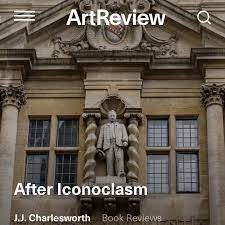
JJ Charlesworth, senior editor of ArtReview, is often presented as the voice of reason in contemporary visual culture. His prose is sharp, his style combative, his credentials impeccable. But behind the mask of authority lies a deep fragility: an inability to accept displacement, a refusal to admit that the margins can speak — and speak better. In a public exchange on my blog, Charlesworth accused me of fictionalising our interaction, of being a “Butlerian deconstructionist postcolonial hero,” of grifting, of disfiguring art criticism into spectacle. The insult was telling. It fused anti-theory resentment, and colonial panic into a single gesture.
JJ Charlesworth, senior editor of ArtReview, has a sharp prose and combative style. But behind the mask of authority lies a deep fragility: a refusal to admit that the margins can speak — and speak better.
Tweet
What Charlesworth could not tolerate was not a disagreement about Documenta or Zionist systemic bias in mainstream arts. It was that someone like me — a Latino operating outside institutional corridors — had called out the complicity of British critics in the silencing of Gaza, the emptying of theory, and the aestheticisation of cruelty. His invocation of Judith Butler — whose work he clearly misunderstands — was not meant to critique but to delegitimise. As if theory were a virus to be quarantined. But this is not about Butler. This is about power. Charlesworth is part of a generation of critics who mistook graphic media visibility for intellectual authority and backlash for relevance. They cannot see that their anger is not read as insight but as noise in an ethical frame in which mainstream art is increasingly irrelevant.
Charlesworth is part of a generation of critics who mistook graphic media visibility for intellectual authority and backlash for relevance.
Tweet

IV. Documenta 16 and the Performance of Diversity
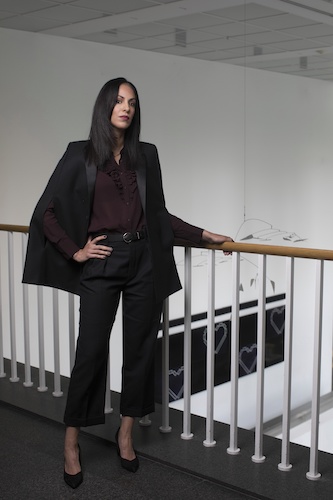
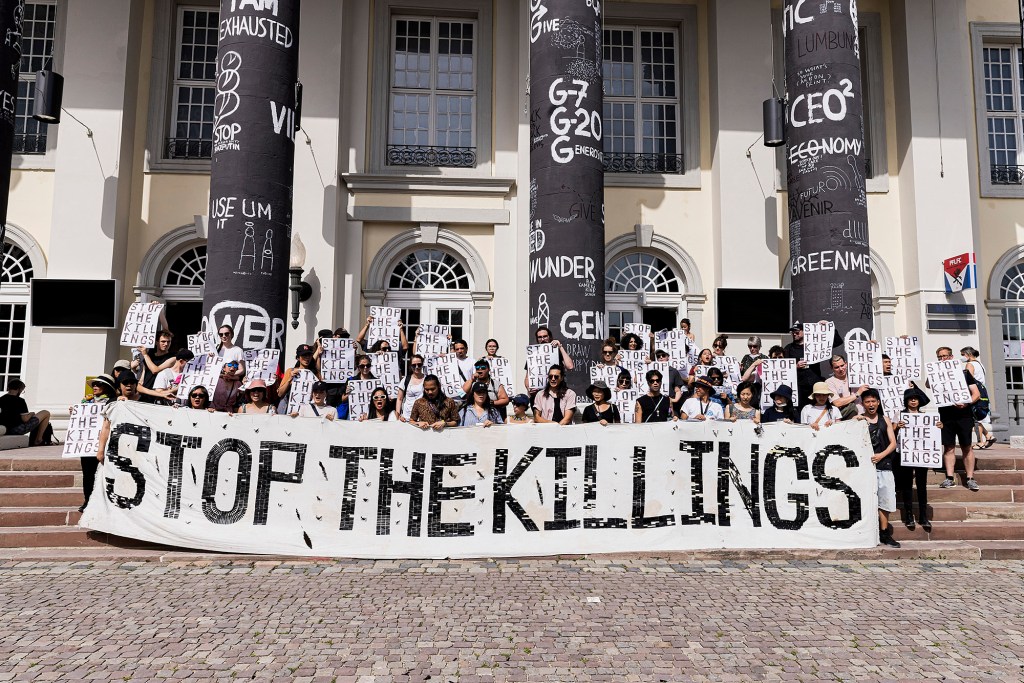
The curatorial team for Documenta 16 was unveiled in a photo that was meant to signify radical change. It showed five women — racialised, impeccably dressed, framed by bureaucratic architecture — as if lifted from an editorial in Monocle. The message was clear: this is the future. What was less clear was the art. Curated by a group led by curatorial director Dr. Becksmith, the appointment marked a shift from previous editions’ collaborative models. And yet, the language remained the same: interdependency, intersectionality, decoloniality, feminism. What was once a critique has now become curatorial branding. Each member of the team has impeccable credentials. Xiaoyu Weng worked at the Guggenheim. Carla Acevedo-Yates curated for the MCA Chicago. Mayra Rodríguez Castro edited feminist poetry. But these are not gestures of rupture. They are signs of professionalisation. These women — talented, no doubt — are not radical. They are the new face of museum managerialism and what they will manage in Documenta is deflection. The language they use is familiar: affect, archive, ecology, tolerance and care. But its function is to soften, not sharpen. The curatorial text no longer interrogates — it soothes. The exhibition becomes a mood board. This is not Documenta as we knew it. This is public relations with theoretical footnotes. Once upon a time, Documenta signaled rupture. It was the site of debate, failure, scandal. With Ursula Biman or Catherine David, there was at least a sense that something was at stake. But now? The only thing at stake is the funding. The new curatorial model — managerial, globalised, careful — is not designed to challenge. It is designed to endure. And that endurance is aestheticised. The audience is not provoked. It is managed. The press release is more important than the artwork. The optics are the exhibition.
Once upon a time, Documenta signaled rupture. It was the site of debate, failure, scandal. But now? The only thing at stake is the funding. The new curatorial model — managerial, globalised, careful — is not designed to challenge but to endure.
Tweet

V. Feminism and the Aesthetics of Neutralisation
The feminist framework invoked by both the literary and curatorial figures mentioned is not the feminism of Monique Wittig, of Audre Lorde, of Silvia Federici. It is a feminism of HR departments, funding applications, and panel discussions. It is a feminism without antagonism. What links Craig, Gardner, Charlesworth, and Documenta’s curators is a shared desire to manage discourse and dominate a narrative that they all know they cannot control. Their aim is not to contest power but to become its face while it lasts. The result is an aesthetic of neutralisation: difference is allowed as long as it is legible, sexual politics are welcome as long as they are binary, and decoloniality is acceptable as long as it doesn’t touch Israel. This is how feminism becomes a domesticating force. It makes queerness palatable, race poetic, and art decorative. The girl with a PhD replaces the artist and careerism replaces social change. The worrying aspect of all this, is that they use fear as weapon. Both internalised and acted out.
This is how feminism becomes a domesticating force. It makes queerness palatable, race poetic, and art decorative. The girl with a PhD replaces the artist and careerism replaces social change.
Tweet
VI. The Ghost of Critique
Critique is not dead. It is undead. It returns in other forms. But it no longer resides in The Guardian, or in ArtReview, or on the Booker shortlist. It speaks from elsewhere. What the system cannot forgive is not error — it thrives on error — but disobedience. The worst sin of all is to refuse to be curated. And I am saying that in the broadest sense of the term. Disobedience is not artistry but hubris to be contained, alienated and exterminated. This, of course, has its costs.Craig and Gardner write each other’s blurbs. They attend each other’s launches. They support each other on X. But this is not friendship. It is the infrastructure of oblivion. A literary sisterhood that insulates itself from critique by wrapping itself in civility and taste. Under the umbrella of J.K.Rowling proto-MAGA ideology. The problem is not that they are ‘friends’. The problem is that their friendship replaces argument. Or to say it more plainly, bullying replaces argumentation. Their praise substitutes criticism and a book back page becomes the front line of a different kind of war. In the end, it is not their careers that suffer. It is their place in culture and, most importantly, the British reader. The artwork also suffers. It is the possibility of a literature — and a criticism — that dares to speak, rupture, offend, and imagine otherwise.
Under the umbrella of J.K.Rowling proto-MAGA ideology. The problem is not that they are ‘friends’. The problem is that their friendship replaces argument. Or to say it more plainly, bullying replaces argumentation.
Tweet
El colapso de la crítica cultural británica: De hermandades literarias coqueteando con la ideología MAGA a la deconstrucción como ducha de insultos

I. El mercado te va a leer ahora que cumpliste con los requisitos
Ya no es posible hablar de una “crisis” en la crítica cultural británica. Lo que presenciamos no es una falla momentánea ni un desvío ideológico, sino un colapso sistémico —estético, sí, pero lo más preocupante: ético e intelectual. Los agentes de este colapso no son, como cabría esperar, reaccionarios al estilo Nigel Farage ni agitadores de tabloide. ¿O sí lo son? En su mayoría, se trata de feministas profesionales, liberales bien educadas y críticas de carrera que han perfeccionado el arte de la indignación moral mientras convierten la disidencia en un tono comercializable.
Este colapso no se evidencia solo en el giro institucional de la crítica —la enmarañada alianza entre medios, editoriales, universidades e ideología estatal—, sino también en la forma y contenido de las obras producidas por sus agentes. La literatura y la cultura visual ya no emergen como desafíos al statu quo, sino como elaboradas confirmaciones del mismo. La crítica se transforma en curaduría de estilo de vida, una especie de agente cultural de inteligencia neoliberal. La novela deviene taller terapéutico para un público que se autoperfila como víctima; la exposición de arte visual, en un informe de diversidad. Una casilla por marcar.
Lo que ha reemplazado a la crítica es una forma de performance: autoconsciente, sobre-credencializada y vacía. El lenguaje de la “interseccionalidad”, la “disidencia sexual”, la “decolonialidad”, no se desecha, sino que se recicla. Esos términos se convierten en instrumentos de despolitización, neutralizando cualquier posibilidad de ruptura. Esto no es teoría. Es un estilo de escritura para formularios de beca.
En este contexto, no resulta una coincidencia que los impulsos más reaccionarios —la histeria anti-trans, el borramiento étnico, la vilificación sigilosa de la diferencia sexual y estética— lleven ahora la máscara del cuidado, la inclusión y la redención narrativa. El problema no es simplemente que las personas equivocadas estén en el poder. El problema es que el poder ha mutado en una red de legitimación autorreferencial. La crítica también es novelista. La novelista escribe la contratapa del libro de su amiga. La amiga integra el jurado de un premio. Y ese jurado nombra a las curadoras. Algo ha salido verdaderamente mal. No es una camarilla. Es peor: es un mercado.
II. Craig, Harris y Gardner: la hermandad literaria de la disciplina
Amanda Craig y Sally Gardner no son figuras marginales. Están profundamente integradas en el aparato literario británico: publicadas por editoriales de primer nivel, reseñadas en los principales periódicos, premiadas, televisadas y, en última instancia, domesticadas. Sin embargo, su ficción no es meramente doméstica en cuanto al tema. Está estructural e ideológicamente comprometida con la reproducción de un orden moral basado en certezas blancas, liberales y de clase media. No se trata de una sátira a lo Austen. Es una novela gerencial con un trasfondo ideológico —o, alarmantemente, un propósito— torcido.
Comencemos con Amanda Craig. Su reputación como “cronista moral” de la clase media británica se apoya en novelas como The Golden Rule (2020) y la recientemente publicada The Three Graces (2023). Ambas se presentan como textos con conciencia social, aunque operan dentro de una de las geografías morales más estrechas de la ficción contemporánea. The Golden Rule intenta reimaginar Strangers on a Train en una Cornualles habitada por votantes del Brexit, madres solteras y aristócratas siniestros. Lo que se presenta como “matiz” resulta ser, en realidad, una aplanadora del antagonismo de clase en forma de suspenso melodramático que termina reafirmando aquello que dice cuestionar. El villano es abusivo. Los pobres son enigmáticos. La redención llega a través de la reparación heterosexual y el restablecimiento del núcleo familiar.
En The Three Graces, ambientada en la Toscana, el racismo deja de ser latente para convertirse en alegórico. Las protagonistas inglesas —retiradas, cultivadas, siempre en un leve estado de angustia— se relacionan con los locales mediante un lente de romanticismo caricaturesco. Los italianos son sirvientes, gigolós o mendigos. La figura migrante —un solicitante de asilo— aparece no como sujeto, sino como contraste funcional para resaltar el “buen juicio” británico y su moralidad superior. El libro “aborda” temas como los refugiados, el populismo o la vejez del mismo modo que se recorre un mercado de fin de semana: como texturas consumibles. El resultado no es comentario, sino consumo. ¿Pero de qué?
Es en el plano simbólico donde esto se vuelve más evidente. El tratamiento del paisaje italiano recuerda a E.M. Forster, pero sin conflicto interno. El legado del imperio, la interferencia británica en los desplazamientos globales, brilla por su ausencia. El cosmopolitismo de Craig está fundado en el privilegio, no en el encuentro. El otro italiano nunca tiene voz —solo función. Es un chiste.
El uso de referencias artísticas por parte de Craig en su cruzada anti-trans también refleja la lógica de sus novelas. En una publicación en X, elogió la observación de un colega varón sobre Vermeer, repitiendo el trillado tropo del “maestro de la luz”, como si fuese una idea original. Cuando observé que, en The Milkmaid, por ejemplo, la cuestión no es óptica sino de la inmanencia metafísica de lo luminoso, me bloqueó. Para Craig, el arte es ilustrativo. Existe para confirmar el gusto burgués, no para perturbarlo.
Sally Gardner —autora de The Weather Woman (2023)— opera en un terreno ideológico similar pero con un registro más lírico y místico. Sus protagonistas suelen ser mujeres “neurodivergentes”, inadaptadas con talentos ocultos que reencantan el mundo mediante la naturaleza, el patrón, la intuición y el don. A primera vista, esto puede parecer emancipador. Pero bajo escrutinio, la arquitectura moral es rígida. La novela enfrenta a dos parejas: una pareja heterosexual en un viaje de redención a través del entendimiento identitario mutuo, y una pareja homosexual marcada por la disfunción, el secreto y el castigo, tanto autoinfligido como vindicativo. El hombre gay —atormentado por la deuda y la culpa— muere ahogado por un arenque vivo, el mismo objeto que articula todos los motivos de la novela. No se trata solo de una tragedia: es un castigo. El arenque es, por supuesto, fálico. No solo eso: es pornográficamente voyeurista. Como en su vida, la muerte de ese cuerpo polimorfo es moralizada. Negativamente. El problema es que la crítica elogió la “sensibilidad” del libro frente a la diferencia, cuando en realidad la pareja gay aparece solo como advertencia: una vida horrible seguida de una muerte aún peor. También como señal de alarma para las mujeres —como las autoras— que quieran ser sus amigas.
Esto sería menos inquietante si la autora no tuviera proximidad con el discurso queer. En los agradecimientos, Gardner me menciona. Yo vivo con VIH y he escrito extensamente sobre estética y trauma queer. Esta complicidad convierte el simbolismo de la novela en acusación. Los personajes gays no solo sufren: encarnan el exceso moral. Un exceso que debe ser expulsado… del mundo.
En ambos casos —Craig y Gardner— se repite el patrón: la narrativa como contención, la diversidad como ornamento o como crimen, la literatura como terapia de nicho para la clase media. Sus novelas se recomiendan entre sí. Se elogian mutuamente en redes sociales. Una llegó a acusar a la otra de no escribir sus propios libros debido a su discapacidad, y el bullying funcionó. Desde entonces, todas las contratapas de Gardner son escritas por Craig. Son celebradas por medios nacionales que se adjudican autoridad crítica mientras refuerzan los límites de lo aceptable. El conflicto de interés no es el escándalo. El escándalo es que esto es el sistema.
Por último, tenemos a Jane Harris —autora furiosamente transfóbica— quien opera de forma distinta pero con resultados similares. Sus novelas se sitúan en el pasado, enmarcadas por un detallismo de época y escritas con virtuosismo ventrílocuo. Sugar Money (2017) cuenta la historia de dos hermanos esclavizados que intentan liberar a otros de un puesto colonial francés. Escrita en un creolé estilizado, fue celebrada por su supuesta valentía y empatía. Pero ¿de qué tipo de empatía hablamos? Bernardine Evaristo —poco ajena a los mecanismos del poder literario— expresó su incomodidad al ver el dolor histórico representado por alguien que no lo ha heredado. La incomodidad no proviene del tema, sino de la autoridad que se asume al narrarlo: Harris escribe desde la voz de los oprimidos mientras se beneficia del lugar del opresor.
Y en este sistema, quien sufre no es la autora, ni la crítica, sino el lector —y la literatura misma.
III. JJ Charlesworth y la pose del pánico
JJ Charlesworth, editor sénior de ArtReview, suele presentarse como la voz de la razón en la cultura visual contemporánea. Su prosa es afilada, su estilo combativo, sus credenciales impecables. Pero tras esa máscara de autoridad se esconde una profunda fragilidad: una incapacidad de aceptar el desplazamiento, una negativa a admitir que los márgenes pueden hablar —y hablar mejor.
En un intercambio público en mi blog, Charlesworth me acusó de ficcionalizar nuestra interacción, de ser un “héroe butleriano deconstruccionista poscolonial”, de estafar, de convertir la crítica de arte en espectáculo. El insulto fue revelador. Fusionaba resentimiento antiteórico y pánico colonial en un solo gesto.
Lo que Charlesworth no pudo tolerar no fue una discrepancia sobre Documenta o el sesgo sionista en el arte institucional. Fue que alguien como yo —un latino fuera del circuito académico— haya señalado la complicidad de los críticos británicos en el silenciamiento de Gaza, el vaciamiento de la teoría y la estetización de la crueldad. Su mención de Judith Butler —a quien claramente no entiende— no fue una crítica, sino un intento de deslegitimar. Como si la teoría fuera un virus a ser puesto en cuarentena.
Pero esto no se trata de Butler. Se trata del poder. Charlesworth es parte de una generación de críticos que confundió visibilidad mediática con autoridad intelectual y backlash con relevancia. No logran ver que su enojo ya no se lee como lucidez, sino como ruido dentro de un marco ético en el cual el arte mainstream resulta cada vez más irrelevante.
IV. Documenta 16 y la performance de la diversidad
El equipo curatorial de Documenta 16 fue presentado en una foto que pretendía significar un cambio radical. En ella aparecían cinco mujeres —racializadas, impecablemente vestidas, enmarcadas por arquitectura burocrática— como salidas de una editorial de Monocle. El mensaje era claro: este es el futuro. Lo que no era tan claro era el arte.
Dirigido por la doctora Becksmith, el nombramiento marcó un giro respecto a ediciones anteriores que privilegiaban modelos colaborativos. Y sin embargo, el lenguaje se mantuvo idéntico: interdependencia, interseccionalidad, decolonialidad, feminismo. Lo que una vez fue crítica, ahora es marca curatorial. Cada miembro del equipo tiene credenciales impecables. Xiaoyu Weng trabajó en el Guggenheim. Carla Acevedo-Yates curó en el MCA de Chicago. Mayra Rodríguez Castro editó poesía feminista. Pero esto no son gestos de ruptura. Son señales de profesionalización.
Estas mujeres —talentosas, sin duda— no son radicales. Son el nuevo rostro del gerenciamiento museal. Y lo que van a gestionar en Documenta es la desviación. El lenguaje que usan es familiar: afecto, archivo, ecología, tolerancia y cuidado. Pero su función es suavizar, no agudizar. El texto curatorial ya no interroga —consola. La exposición deviene tablero de humor (mood board). Esto ya no es Documenta como la conocíamos. Es relaciones públicas con notas al pie teóricas.
Hubo un tiempo en que Documenta significaba ruptura. Era espacio de debate, fracaso, escándalo. Con Ursula Biemann o Catherine David, había al menos la sensación de que algo estaba en juego. ¿Y ahora? Lo único en juego es el financiamiento. El nuevo modelo curatorial —gerencial, globalizado, cuidadoso— no está diseñado para desafiar. Está diseñado para perdurar. Y esa perdurabilidad se estetiza. La audiencia no es provocada. Es gestionada. El comunicado de prensa importa más que la obra. La imagen es la exposición.



 Loveartnotpeople.blog
Deja una respuesta