
To Read the English Version Scroll Down This Post
Prólogo: De Wimbledon al Colón
Entendí la escena con literal brutalidad en el momento Éramos una mesa improbable en la carpa VIP de Wimbledon en el 2010: John Mack —mi casi-padre por amistad con Jenna— y entonces CEO de Morgan Stanley, el Baron de Rothschild y un Foreign Secretary laborista que, si la memoria no me traiciona, era David Miliband bajo Gordon Brown. Yo miraba desde el borde de la educación ajena y me desconcertó algo que hoy me parece obvio: la servidumbre de un político al dinero no es una desviación; es la coreografía. Miliband inclinaba el cuerpo, como si la conversación tuviera gravedad propia y el centro estuviera en Mack y el Barón. No era adulación tosca; era precisión burocrática. Ese día aprendí que la política democrática —al menos la británica de poscrisis— no gobierna sobre la City, la sirve. No por falta de carácter, sino por arquitectura: el Estado es el aparato que permite que los flujos no colapsen. La legitimidad es la forma moral de esa servidumbre.

Años después, camino por el Salón Dorado del Teatro Colón y veo la misma escena, sólo que sin el pudor protestante y con mármol. Tony Blair y Condoleezza Rice sonríen entre arias y flashes como si Buenos Aires fuese la sucursal estilizada de un think tank con orquesta. No vienen a escuchar música; vienen a que los escuchen a ellos, o mejor dicho, a que escuchen sus nombres sonando como garantías. La consultoría —esa industria que alquila reputación a gobiernos que desean ser confiables— opera aquí como diplomacia estética: el imperio no necesita cancillerías cuando tiene salones y ex primeros ministros en alquiler.

No es la Argentina buscando validación en Occidente; es Occidente mirándose al espejo en un teatro latinoamericano. La foto no le habla al país, le habla a la tríada Londres-Washington-Nueva York: “La plaza está abierta; la élite local ensaya el gesto correcto; la arquitectura europea aún funciona como certificado de civilización.” Que la gala coincida con la visita de Jamie Dimon no es casualidad, es sintaxis: primero el rito, luego la cláusula. El Colón como alfombra roja para que el capital se sienta en casa. El adentro se fabrica con afuera: si los banqueros aplauden, el riesgo país baja y las elecciones, a días, pueden hacer que Milei reciba un menor impacto.
Recuerdo a Mack, no ya en Wimbledon sino en sus memorias: no escribe como un CEO, escribe como un general. Sus capítulos están llenos de tropas, disciplina, moral interna, referencias a la Segunda Guerra. El mundo de Mack tenía un punto de honor; el poder era un conjunto de códigos. En ese ecosistema, la conversación entre pares debía ser directa: “If we’re going to do business, we need to be direct.” Por eso lo irrita Jamie Dimon cuando —en plena tormenta de 2008— intuye que el jefe de JPMorgan habla con sus subordinados para tomar la temperatura por detrás. Para Mack, eso es romper el pacto entre caballeros; para Dimon, es un nuevo método.
Ahí se parte la historia: de la banca de inversión como ejército de élite a la banca universal como burocracia imperial. Morgan Stanley y Goldman eran cerebro y coraje; JPMorgan es infraestructura. Los primeros vivían de talento y riesgo calculado; el segundo vive de escala, depósitos, retail, deuda soberana, un pie en cada ministerio. Mack, “Mack the Knife”, representaba la vieja aristocracia del mercado: la que cree que la lealtad sostendrá a la fortaleza. Dimon es el virrey del nuevo orden: el que no pelea batallas, administra territorios.
La recepción de Jamie Dimon, CEO de JP.Morgan en el Colón fue un rito de pasaje de la banca de inversión como ejército de élite a la banca universal como burocracia imperial. Morgan Stanley y Goldman eran cerebro; JPMorgan es infraestructura de escala, depósitos, retail, deuda soberana, un pie en cada ministerio.
Tweet
La Argentina entra a esta escena como lo que es para el siglo XXI: una reserva, no una idea. Ya no se disputa el alma del continente sino su tabla periódica. El litio, el gas, el cobre, la Vaca entera con piel y hueso. China excava con trenes y contratos; Estados Unidos audita con bancos y consultoras. Blair y Rice muestran la sonrisa al bajar del auto, Dimon revisa los papeles. En el Colón se teatraliza la obediencia; en el ministerio se negocia la hipoteca. Entre ambas cosas media la forma-país: una élite que confunde modernización con servidumbre elegante, y un público que aprende a mirar al mármol para no mirar los números y aplaude como zombies.
La escena de Wimbledon me sirve ahora como prólogo no por nostalgia sino por didáctica. Lo que entonces me pareció un detalle —la reverencia de un ministro ante dos banqueros— era, en miniatura, la receta. La democracia liberal pos-2008 descubrió que la supervivencia requiere gestos de tranquilidad hacia el sistema financiero; América Latina exporta esos gestos con música, gratitud y grasitud. El Colón no fue un salón de gala: fue una oficina pop-up de JPMorgan. Dimon no vino a escuchar a Verdi: vino a auditar el mármol. Y cada aplauso sonó como una cláusula implícita del próximo préstamo.
Con Mack aprendí la ética del mando directo; con Dimon entendí la gramática del control. Uno hablaba de hombres y batallas; el otro opera con mapas y reservas. El primero está enfermo de memoria, literalmente; el segundo es memoria pura del sistema, un algoritmo con corbata. Entre ambos, la Argentina elige su papel: fortaleza que se resiste o territorio administrado. Si el gobierno confunde soberanía con cosplay de modernidad, la función está servida: Blair y Rice bendicen, Dimon dispone, y el país aplaude su propio pliego de condiciones creyendo que es una obertura.
Mack vs. Dimon: del general al vicemperador
John Mack no era un banquero; era un comandante. Su voz arrastraba esa cadencia militar que tienen los hombres que confunden la oficina con una trinchera. “Team, discipline, morale.” Así escribía, así hablaba, así formaba a los suyos en Morgan Stanley. Creía que el valor del banco estaba en la cohesión del grupo, en el temple para resistir un mercado hostil. Su lenguaje, tomado de los manuales de guerra, lo delata: batallas, aliados, deserciones, frentes. En una ocasión, el y su mujer Christie alquilaron el Hotel Crillon para llévarnos a todos, yo incluido, a ver los lugares del D Day.

Jamie Dimon pertenece a otro linaje. No es un general sino un virrey: no defiende un territorio, lo administra. Mientras Mack imaginaba la crisis de 2008 como una invasión que había que resistir con honor, Dimon la trató como un problema de logística imperial: absorber enemigos, asegurar líneas de suministro, negociar directamente con el Tesoro. Mack hablaba de lealtad; Dimon hablaba de liquidez.
Jamie Dimon pertenece a otro linaje de Wall Street y no del mejor. No es un general sino un vice: no defiende un territorio, lo administra. Mientras Mack imaginaba la crisis de 2008 como una invasión que había que resistir con honor, Dimon la trató como logística imperial: absorber enemigos. Estuve allí.
Tweet
El episodio que los enfrentó lo resume todo. Morgan Stanley agonizaba y necesitaba capital. Mack buscaba aliados entre los bancos chinos, Mitsubishi UFJ y hasta Warren Buffett. En medio de esas conversaciones, descubre que Dimon, desde JPMorgan Chase, sondeaba a sus subordinados para medir el pulso interno. “If we’re going to do business, we need to be direct,” le dice Mack, furioso. “I don’t want you going around me.” La frase suena como una última defensa caballeresca en un mundo que ya no la necesita. Dimon, sinuoso, tomó nota. No lo hizo por deslealtad: lo hizo porque la información es la nueva moral. Lo que para Mack era traición, para Dimon era método. Incluso el espionaje y la corrupcion, ahora autorizada por Trump. Entonces prohibida.

Esa diferencia encierra el cambio civilizatorio del capitalismo financiero.
Morgan Stanley y Goldman Sachs fueron el cerebro aristocrático de Wall Street: firmas de asesoría pura, sin depósitos, sin préstamos, moviendo capitales ajenos con talento y secreto. Su poder provenía de la elegancia: pocos clientes, márgenes inmensos, códigos internos. Eran órdenes de caballería dentro del mercado. Su estructura recordaba a una familia extendida: cada socio tenía honor y responsabilidad ilimitada.
JPMorgan Chase es otra cosa. Es un Estado dentro del Estado: millones de clientes, oficinas en sesenta países, poder de lobby y capacidad de influir en políticas monetarias. Su cultura no es la del genio individual, sino la del sistema. Allí no hay héroes; hay procesos. Su escala le permite sobrevivir a cualquier tormenta porque la tormenta le pertenece.
Morgan Stanley y Goldman Sachs fueron el cerebro aristocrático de Wall Street. JPMorgan Chase es otra cosa. Es un Estado dentro del Estado: millones de clientes, oficinas en sesenta países, poder de lobby y capacidad de influir en políticas monetarias. Su cultura es la del sistema
Tweet
En 2008, mientras Morgan Stanley buscaba desesperadamente capital, JPMorgan absorbía Bear Stearns con aval gubernamental. Donde Mack veía una tragedia moral, Dimon vio una oportunidad logística. Y ganó. Morgan Stanley y Goldman Sachs terminaron convirtiéndose en bancos comerciales para acceder a la liquidez de la Fed; JPMorgan salió reforzado. Dimon se convirtió en interlocutor directo del Tesoro y la Casa Blanca. Todo esto gracias a Obama quien permitió que se pasara a la siguiente fase del capitalismo.
La historia personal se volvió estructura:
– Mack, el último caballero de la banca de inversión.
– Dimon, el primer virrey del capitalismo post-crisis.
La diferencia entre ambos no es solo de estilo; es de ontología. Mack creía en la moral del riesgo: perder con honor era mejor que ganar por oportunismo. Dimon cree en la moral de la continuidad: el único pecado es interrumpir el flujo. Uno construye prestigio; el otro acumula poder. Uno forma personas; el otro diseña sistemas. Mack terminaba su día hablando de estrategia y de Shakespeare. Dimon lo termina hablando con la SEC y midiendo ratios de capital. Mack veía a sus traders como pilotos de combate; Dimon los ve como nodos en una red de inteligencia. Mack aún creía en la figura del banquero como artesano; Dimon consagra al banquero como algoritmo. Por eso, cuando hoy vemos a Dimon aterrizar en Buenos Aires para reunirse con Milei, hay que leer el gesto en clave imperial. No llega un empresario en busca de negocios; llega el gobernador delegado de un orden financiero global. Si Mack fue el último soldado que luchó por el orgullo de Wall Street, Dimon es el burócrata perfecto del capital mundializado: el que no necesita conquistas visibles porque ya administra el aire que respiramos. Y así como Mack veía en los políticos figuras con las que negociar límites, Dimon los ve como proveedores de estabilidad temporal. A Mack le preocupaban los códigos de ética; a Dimon, las cláusulas de los swaps. Mack necesitaba confianza para operar; Dimon necesita obediencia.
Nuevas Masculinidades:
En ese contraste se cifra también la transición de una era masculina de honor y exceso a una era tecnocrática de control emocional. Mack era el banquero que gritaba; Dimon es el que sonríe mientras reestructura. Mack se enorgullecía de su apodo “Mack the Knife”; Dimon no necesita cuchillo: su instrumento es la tasa de interés. Por eso la escena de 2008 entre ambos tiene una resonancia casi bíblica: el viejo Wall Street enfrentado al nuevo. Mack, con su ética de la palabra empeñada; Dimon, con su inteligencia de datos y poder político.
En ese contraste se cifra también la transición de una era masculina de honor y exceso a una era tecnocrática de control emocional. Mack era el banquero que gritaba; Dimon es el que sonríe mientras reestructura.
Tweet
El primero se retira enfermo de Alzheimer, encarnando literalmente la pérdida de memoria institucional de Wall Street. El segundo continúa en plena lucidez, símbolo de un sistema que no olvida nada y registra cada transacción. Mack es carne; Dimon es circuito. Son dos modos diferentes de inteligencia: la humana frente al espionaje AI. Y mientras Mack envejece en el retiro, Dimon preside banquetes en el Colón. El relevo es total.
Los salones de Buenos Aires reemplazan las salas de juntas de Manhattan como escenarios de legitimación del imperio financiero. Lo que antes se decidía entre generales de banca ahora se representa ante cámaras y copas de champagne. La moral se volvió protocolo. El capital ya no necesita generales, necesita virreyes. Y en ese tránsito, la Argentina —que alguna vez soñó con ser nación industrial— deviene provincia administrativa del orden financiero global.

Blair & Rice en el Colón: la consultoría como diplomacia estética
Hay escenas que solo se entienden cuando uno se acostumbra a mirar el dinero como coreografía. Ver a Tony Blair y Condoleezza Rice cruzar el Salón Dorado del Teatro Colón, flanqueados por ejecutivos y ministros, no es un capricho de protocolo: es una instalación política. Son cuerpos-símbolo, alquilados por hora, cuya mera presencia legitima una agenda.
Blair hace tiempo que dejó de ser político; hoy es una marca. Su empresa, Tony Blair Associates, ofrece “insight estratégico” y “confianza institucional” a gobiernos que desean parecer estables ante los mercados. Lo mismo Rice con su consultora RiceHadleyGates, que vende acceso, reputación y contactos. Ambos funcionan como intermediarios culturales del capital: traducen la voluntad de Wall Street al lenguaje diplomático y devuelven al capital la apariencia de civilización.
Ver a Tony Blair y Condoleezza Rice cruzar el Salón Dorado del Teatro Colón, flanqueados por ejecutivos y ministros, no es un capricho de protocolo: es una instalación política. Son cuerpos-símbolo, alquilados por hora
Tweet
En Buenos Aires, su visita coincide con la de Jamie Dimon.No es casualidad: el capital global se mueve como una ópera. De hecho, fueron invitados por él. Blair y Rice son los solistas de la obertura; Dimon, el director que ajusta el tempo. Mientras los consultores prestan el prestigio de la política liberal occidental, el banquero evalúa si el país merece crédito.
La consultoría de élite es el estadio final de la vieja diplomacia imperial. Ya no se trata de embajadas ni tratados, sino de brands que generen confianza. Blair, Rice, Cameron, incluso algunos ex-presidentes latinoamericanos, venden lo mismo: su firma como garantía de pertenencia. Aparecen, sonríen, moderan paneles, y con cada gesto activan un subtexto: “Occidente aprueba este experimento”.
La gala del Colón fue exactamente eso. El teatro, con su arquitectura europea y su historia de clase alta, funcionó como una cámara de eco colonial. En sus mármoles se reflejó el relato de la “Argentina de vuelta en el mundo” —una frase que se repite desde el menemismo, siempre que el país se dispone a vender sus activos sin quejas. Nada de lo que ocurrió esa noche fue improvisado. Blair y Rice fueron invitados no por sus ideas, sino por su utilidad como escenografía moral. Representan la promesa de que aún existe un orden internacional civilizado, aunque se base en contratos de extracción y préstamos condicionados. Su papel es darle a la transacción el tono de reencuentro cultural.
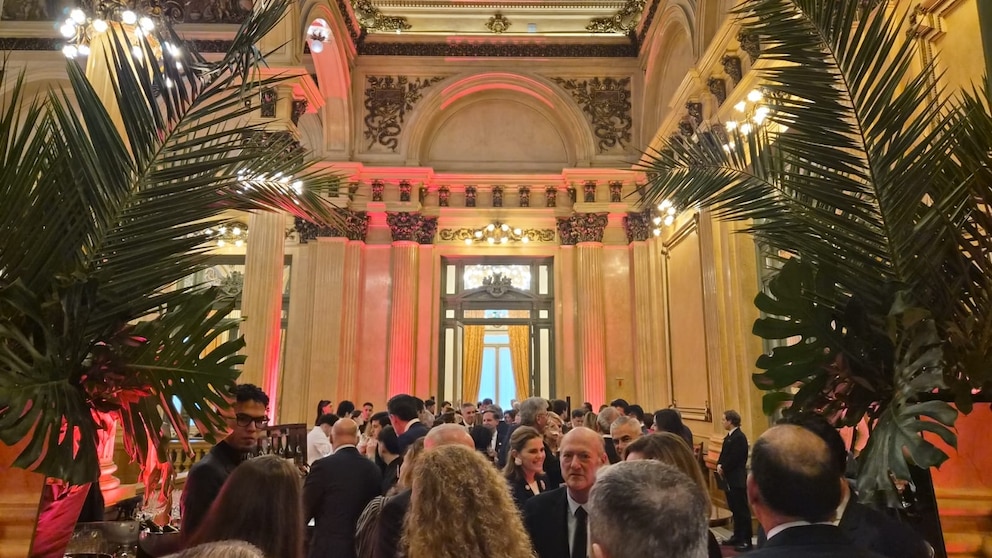
Mientras las arias resonaban, el mensaje verdadero era financiero: Estados Unidos bendice el laboratorio Milei; Londres ofrece consultoría simbólica; Wall Street audita las condiciones. El Colón se convirtió en una catedral del capital democrático: un lugar donde las antiguas liturgias de la música se mezclan con los nuevos ritos del dinero. Hay un detalle que pasa desapercibido pero lo dice todo. Cuando la cámara enfoca a Blair, detrás de él se veía al presidente del Banco Central, al ministro de Economía y a un ejecutivo de JPMorgan. Ese encuadre es un manifiesto: el Estado y la banca en el mismo plano, legitimados por un ex primer ministro británico.
Ningún comunicado podría decirlo mejor. La consultoría política internacional es hoy el equivalente moral del crédito: presta imagen. Blair y Rice llegan donde el capital quiere llegar, pero con un lenguaje que suena a ética. A diferencia de Dimon, ellos no exigen balances: exigen narrativas. Su tarea es traducir la lógica del préstamo a la gramática del progreso. Por eso, cuando aparecen en un país del sur, lo hacen acompañados por discursos sobre modernización, inclusión, transparencia. Palabras que disimulan la entrega de soberanía bajo un tono de coaching. En el fondo, ambos encarnan la nostalgia de Occidente por su propia superioridad. Cada viaje, cada conferencia, cada foto en un teatro neoclásico repite el mismo mensaje: el imperio no ha muerto, solo terceriza su diplomacia. Y la Argentina, encantada con su reflejo europeo, vuelve a servir de espejo.
Blair sonríe como si bendijera una reconciliación; Rice como si dictara una clase magistral sobre responsabilidad fiscal. Pero lo que realmente bendicen y enseñan es la sumisión elegante: el arte de ser extractivo con modales de conferencia. En la escala de poder que hoy organiza el mundo, Blair y Rice ocupan el lugar de los sacerdotes: median entre el dios invisible del capital y los feligreses que aún creen en la salvación por inversión. Su liturgia consiste en performar credibilidad. El Colón fue su catedral, los banqueros su coro, y la Argentina su altar portátil.
Lo que comenzó en la mesa de Wimbledon —la reverencia de Miliband ante Mack y Rothschild— se despliega aquí en toda su magnitud. Lo que era un gesto privado de subordinación se ha convertido en espectáculo público. En 2008 se inclinaba un ministro; en 2025 se inclina un país entero. Blair y Rice no vinieron a mirar la Argentina: vinieron a representar la posibilidad de que el poder global aún conserve su decorado. El Colón les dio el marco perfecto.
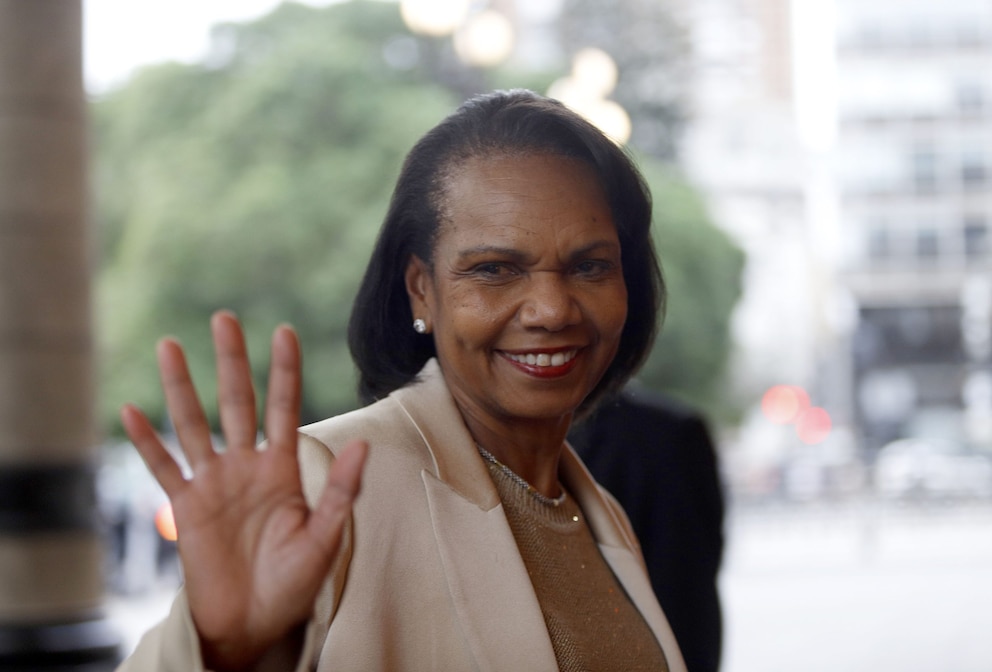
Allí, entre dorados y espejos, se selló la alianza estética entre la nueva tecnocracia y la vieja aristocracia. Ninguna de ellas necesita de seres humanos sino de proyecciones fantasmáticas y literales fantasmas. Lo espectral de este nuevo orden que John Mack ya no reconoce, por razones medicas pero sobretodo éticas y culturales, demuestra que el orden está restaurado, al menos en apariencia. En este contexto, el peronismo no aparece como un enemigo real sino como un símbolo de esperanza desde abajo a destruir.
J.P. Morgan en la Argentina: Auditoría de soberanía
La llegada de Jamie Dimon a Buenos Aires no fue un gesto cortesano sino una visita de inspección. Vino a verificar si la Argentina —ese experimento libertario con vocación de milagro— podía ser reincorporada al circuito del crédito sin volverse tóxica. En los papeles, el viaje se presentaba como parte de una “gira latinoamericana de negocios”. En la práctica, fue un stress test de país. Dimon no vino a invertir: vino a medir. Su tarea era simple y enorme: decidir si la economía argentina puede sostener un nuevo paquete de financiación por hasta 20 mil millones de dólares, articulado entre J.P. Morgan, Citi, Bank of America y el Tesoro de EE. UU. El dinero no saldrá de la benevolencia, sino de la hipoteca del futuro: exportaciones de energía, litio y cobre comprometidas como garantía.
La llegada de Jamie Dimon a Buenos Aires no fue un gesto cortesano sino una visita de inspección. Vino a verificar si la Argentina —ese experimento libertario con vocación de milagro— podía ser reincorporada al circuito del crédito sin volverse tóxica.
Tweet
El plan es conocido en los pasillos de Washington y Londres como “bailout técnico”. No se habla de rescate, porque la palabra huele a fracaso. Se habla de liquidez preventiva, de soporte transicional, de bridge financing. Pero el efecto es el mismo: una línea de crédito atada a condiciones políticas —estabilidad, disciplina fiscal, alineamiento geopolítico— que transforma a un gobierno en agente local de la política monetaria global. Milei lo sabe y lo asume con entusiasmo. Esa ha sido su función desde que Eurnekian lo ungiera como persona a prestar atención. Desde ya, a su ex jefe, el tiro le salió por la culata.
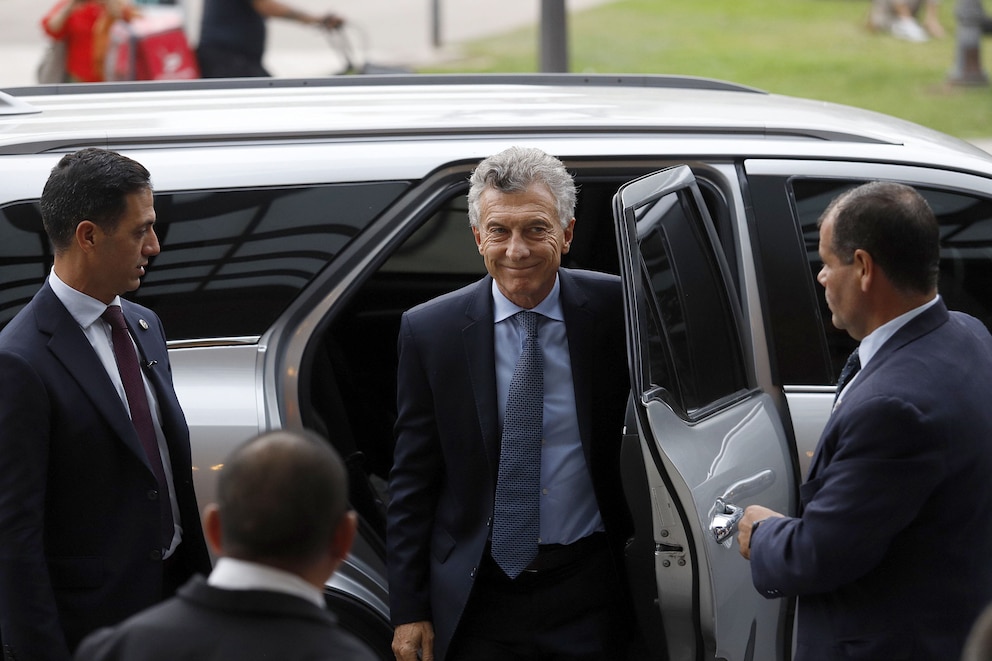
Su narrativa de “libertad económica” es la envoltura ideológica perfecta para una intervención financiera consentida. Cuando proclama que “los mercados son Dios”, no hace retórica: enuncia la cláusula central del acuerdo. Y Dimon, que no cree en dioses pero administra sus templos, vino a oficiar de sumo sacerdote. Durante esos días, la prensa local habló de “reuniones técnicas” entre Dimon, el ministro Caputo y el presidente del Banco Central. En realidad fueron actos de supervisión. El banquero pidió datos sobre reservas, pasivos remunerados, calendario de pagos y ritmo de desregulación. Quería saber hasta dónde Milei estaba dispuesto a sostener el ajuste sin estallido social. No buscaba garantías de crecimiento sino de obediencia.
El gesto de realizar la gala en el Teatro Colón encaja perfectamente con esta lógica. Mientras en los despachos se negociaban porcentajes de interés, en el salón dorado se escenificaba la credibilidad nacional. Los argentinos suponen ofrecer glamour y orden; los banqueros ofrecían presencia y sonrisa. El mensaje a Wall Street y Washington era inequívoco: la Argentina está lista para ser reinsertada en la órbita correcta.
La estructura de poder se veía en el protocolo. Blair y Rice daban legitimidad moral; Dimon, legitimidad financiera; Milei, espectáculo político. El Colón era la metáfora perfecta del nuevo contrato: un escenario donde la élite local se ofrece para ser supervisada y lo convierte en un privilegio. En los comunicados oficiales, J.P. Morgan habló de “optimismo por el potencial energético argentino”. Detrás de esa frase se esconde un mapa de recursos. El banco lleva meses fortaleciendo posiciones en YPF, en fondos vinculados a Vaca Muerta y en proyectos de litio en el noroeste. El interés no es coyuntural: se trata de asegurar el control logístico y financiero de la transición energética regional. En un mundo que compite por minerales críticos, tener el visto bueno de Dimon equivale a un salvoconducto imperial.
Por eso, la visita también tuvo un destinatario externo: China. El mensaje fue: “Sudamérica vuelve a ser nuestro hemisferio.” Estados Unidos no puede permitirse que la cadena del litio y del cobre caiga bajo influencia asiática. El préstamo de 20 mil millones, los elogios públicos y la presencia de Dimon son la nueva Doctrina Monroe, travestida de cooperación financiera. A nivel interno, la escena sirve para consolidar el relato de éxito.
Lo que realmente se celebra es otra cosa: la sustitución del Estado por su balance contable. El país deja de ser un proyecto político y se convierte en un activo regulado por quienes lo financian. La coreografía del Colón lo expone con claridad casi dolorosa. Todo funciona como una ceremonia de reinscripción: la Argentina vuelve a su lugar histórico de enclave elegante del capital global. No hay invasión ni imposición; hay consentimiento y deseo. El viejo sueño argentino de pertenecer a Paris reaparece como obediencia rentable. Está es la Nueva Argentina.
Lo que para Mack hubiese sido un escándalo —banqueros y ministros pactando a la vista del público— para Dimon es el protocolo adecuado. En la nueva liturgia financiera, la transparencia no es ética: es marketing. Todo se muestra para que parezca limpio. La corrupción ya no se oculta; se profesionaliza. Y mientras las luces del Colón se apagan, el verdadero trabajo comienza. Los equipos de J.P. Morgan se quedan con los datos, los cronogramas, los contactos. El país, satisfecho por el aplauso, se retira convencido de haber “vuelto al mundo”. Dimon, que nunca se fue, revisa el informe y prepara la próxima visita. Lo que queda de soberanía se mide en hojas de cálculo. La independencia nacional se calcula como spread. El aplauso vale unos puntos de riesgo país; la sonrisa de un banquero, unos meses de respiro. Y así la Argentina, que alguna vez discutió su identidad entre civilización y barbarie, la resuelve hoy entre rating BBB y BBB ósea Barbarie y Barbarie.

Precedente local: insider culture normalizada
Cuando se habla de corrupción en la Argentina, el debate suele girar en torno a sobres, contratos, licitaciones. Pero el verdadero cáncer es más discreto: la proximidad. Lo que en otros países se llama conflicto de interés, acá se celebra como networking. Durante el gobierno de Mauricio Macri, hubo un episodio que me reveló hasta qué punto esa naturalización se había vuelto estructural. Yo lo publiqué en el blog, sin estridencias, sólo con el dato y la pregunta.
Durante el gobierno de Mauricio Macri, hubo un episodio que me reveló hasta qué punto esa naturalización se había vuelto estructural. Yo lo publiqué en el blog, sin estridencias, sólo con el dato y la pregunta. Corrupción de gran escala como gesto de amigos.
Tweet
Facundo Minujín, entonces ejecutivo ascendente de J.P. Morgan, e hijo de Martha Minujin se había reunido con Luis “Toto” Caputo, ministro de Finanzas, días antes de una devaluación. El encuentro no figuraba en la agenda pública y, poco después, el peso se desplomó. No hacía falta ser detective para entender la secuencia. En cualquier plaza financiera seria, esa coincidencia habría desatado una investigación. En Argentina, se la archivó con una sonrisa. La versión oficial fue que “se trató de una reunión técnica”, eufemismo que en Buenos Aires significa: todos sabían lo que iba a pasar, sólo fingimos sorpresa. Desde ese momento, la carrera de Minujín despegó. Ascendió dentro del banco, se consolidó como interlocutor de los gobiernos de turno y, cuando Dimon aterrizó en el país, fue uno de los hombres a cargo de la logística.
A Minujin y Dimon los conozco, y me cae bien. Es inteligente, educado, incluso afable. Pero eso no cambia el hecho esencial: esa reunión fue un acto de corrupción sistémica, no por lo que se probó, sino por lo que se toleró. Lo importante no es la anécdota sino la pedagogía que deja. Desde entonces, el país aprendió que la línea entre política y banca no existe: se negocia en cafés, se blanquea en conferencias, se celebra en galas. La cultura del acceso reemplazó al Estado de Derecho. Y esa sustitución —más que cualquier golpe o crisis— es lo que garantiza la continuidad del colonialismo financiero.
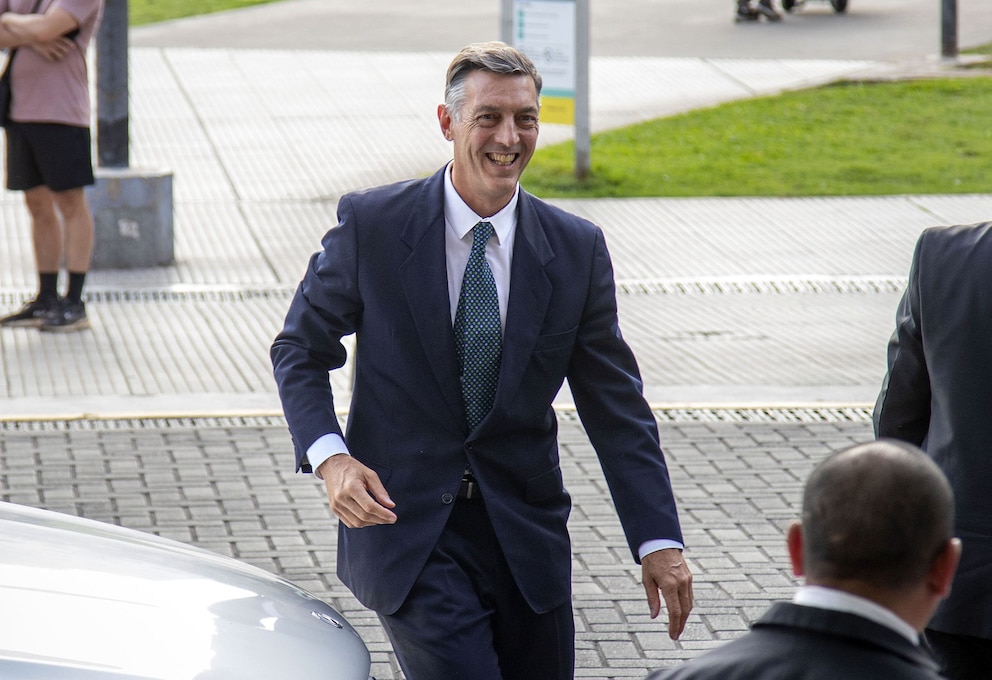
Lo que en 2018 fue una reunión “off the record” hoy se convirtió en política de Estado. El gobierno actual no necesita ocultar la connivencia; la exhibe como símbolo de modernidad. Aquella frontera ética que se cruzó en silencio con Caputo y Minujín fue la prueba piloto de un nuevo régimen: el capitalismo de insider institucionalizado, donde la cercanía con el poder es el modelo de negocio. Por eso, cuando J.P. Morgan organiza su gala en el Colón, no está invadiendo un espacio: está volviendo a casa. El sistema local ya se había reconfigurado para recibirlo. El capital extranjero no impone reglas: se acomoda a las prácticas nativas, que son las suyas. La Argentina siempre tuvo una singularidad: sus élites no se corrompen por dinero, sino por pertenencia. No quieren enriquecerse, quieren ser aceptadas. El banquero que filtra información al ministro no lo hace por codicia, sino para sentirse dentro del circuito global, para borrar la distancia que lo separa de Manhattan.
En el Salón Dorado Macrizado, la corrupción se vuelve aspiracional. Eso explica también la inmunidad simbólica del caso. Nadie quiso escandalizarse porque la escena era familiar: un joven ejecutivo elegante, un ministro amable, una charla “de trabajo” en un contexto de crisis. Es la misma estética de la impunidad que siglos atrás tenía el salón patricio o la logia. El delito no es el acto sino la naturalidad. A diferencia de Mack, que se horrorizaba ante el rumor de una deslealtad, Dimon entiende que el sistema funciona precisamente por esa transparente promiscuidad. El insider culture es la versión moderna de la lealtad feudal: todos saben algo, todos deben algo, nadie denuncia a nadie. Esa red de complicidades es el lubricante que mantiene el engranaje sin fricción. Por eso, cuando Dimon mira la Argentina, no ve un país corrupto: ve un ecosistema familiar. La misma informalidad que en Londres o Nueva York sería ilegal, aquí es operativa. Los funcionarios hablan con banqueros, los banqueros con periodistas, los periodistas con jueces, y todos coinciden en la gala.
El sistema de poder argentino no reprime la cercanía: la estetiza. La ironía es que esa ética del acceso —esa corrupción cordial— termina siendo la ventaja comparativa que vuelve al país atractivo. El capital global busca territorios donde pueda operar sin frenos institucionales pero con apariencia de legalidad. Y la Argentina, con su pasado de sofisticación cultural y su eterna debilidad estatal, ofrece justo eso: desregulación con glamour. La Iturrrioza, a cargo de la ambientación del cocktail, representa eso. Garantizar a los visitantes que somos menos.

En ese contexto, el caso Minujín–Caputo no fue un escándalo, fue una señal. Fue el momento en que el país dejó de simular independencia y decidió formalizar su rol de mediador entre la información privilegiada y el capital extranjero. Lo que para el periodismo fue un dato menor, para la historia será la fecha en que se normalizó la subordinación elegante. Porque si algo enseña la Argentina es que la corrupción no necesita coimas: le basta con educación, sonrisas y un brindis en el lugar correcto.
Orden nuevo: Monroe 2.0 vs. Ruta de los Minerales
El mundo ya no se organiza por ideologías sino por minerales. Lo que antes separaba a los países —capitalismo o socialismo— hoy los une o los enfrenta según lo que tengan en el subsuelo. El litio, el cobre, el gas y las tierras raras son la gramática del siglo XXI. Estados Unidos, en la era post-Trump y post-Biden, ha comprendido que la hegemonía no se defiende con portaaviones sino con contratos de suministro. De ahí surge la nueva versión tácita de la Doctrina Monroe: América para los americanos, pero esta vez traducida como suministro seguro para la industria norteamericana. Mientras tanto, China teje su propia red bajo un nombre más amable: la Ruta de la Seda de los Minerales.
El mundo ya no se organiza por ideologías sino por minerales. De ahí surge la nueva versión tácita de la Doctrina Monroe: América para los americanos, pero esta vez traducida como suministro seguro para la industria norteamericana.
Tweet

No impone bases militares ni exige alianzas políticas; construye infraestructura, financia rutas y compra participación en minas. En los últimos diez años, las empresas chinas han adquirido posiciones decisivas en el triángulo del litio (Argentina, Chile, Bolivia), en el cobre peruano y en el nióbio brasileño. La disputa no es por territorio, sino por logística. Estados Unidos necesita que el flujo de minerales críticos hacia su industria de baterías, chips y defensa no dependa de Pekín. China necesita asegurarse el acceso a esos recursos para sostener su transición energética. El campo de batalla se llama Sudamérica.
La Argentina, con su combinación de recursos, debilidad institucional y glamour pseudo-occidentalizado, es el escenario perfecto. Desde Washington se la mira como la bisagra que puede “contener” la expansión china sin recurrir a la fuerza. Desde Pekín se la mira como una puerta abierta: la informalidad local permite acuerdos rápidos y discretos. Milei, al romper relaciones con China en el discurso y mantenerlas en la práctica, cumple la función de mediador: vende alineamiento a un lado y oportunidad al otro. El supuesto rescate de 20 mil millones negociado con J.P. Morgan y el Tesoro estadounidense no es sólo financiero: es geoestratégico.

Cada dólar que ingresa viene atado a la promesa de alejar a las empresas chinas de los yacimientos y de los puertos de salida. A cambio, Washington ofrece lo mismo que ofreció durante un siglo: protección simbólica y acceso a su mercado financiero. El resultado es un orden híbrido: EE. UU. opera como árbitro de recursos; China como constructor silencioso; Sudamérica como proveedor complaciente.
El resultado es un orden híbrido: EE. UU. opera como árbitro de recursos; China como constructor silencioso; Sudamérica como proveedor complaciente.
Tweet
Chile ensaya una izquierda técnica que regula sin renunciar a la exportación. Brasil, con Lula, intenta sostener una autonomía que ya no convence ni a sus propias élites. Bolivia, empantanada entre nacionalismo retórico y dependencia real, observa cómo su litio se extrae con maquinaria extranjera. La vieja cartografía ideológica se derrite frente a la tabla periódica. En este contexto, la Argentina se convierte en un baluarte geopolítico de conveniencia. Lo que en pintura barroca de paisajes se llama repoussoir.
No tiene peso militar ni diplomático, pero sí la capacidad de garantizar —o arruinar— la continuidad de las cadenas de valor del norte. Su inestabilidad es su atractivo: permite ensayar políticas de control indirecto sin costo político. La “Doctrina Monroe 2.0” no necesita embajadores ni marines. Necesita banqueros con pasaporte estadounidense y consultores con acento británico. Blair y Rice legitiman el gesto; Dimon verifica la contabilidad; el Departamento de Estado observa satisfecho cómo un país entero se ofrece como buffer zone entre China y el resto de América del Sur. Del otro lado del océano, China, sabiamente, no confronta.

Financia carreteras, dona hospitales, firma acuerdos de swap y espera. Sabe que la paciencia es su arma más eficiente. En veinte años, el poder no lo tendrán quienes se hayan aliado con Estados Unidos, sino quienes controlen los nodos físicos de transporte y energía. El problema —y la tragedia— es que ninguno de los dos imperios necesita el alma de la región. A diferencia de los sesenta, ya no hay cruzadas ideológicas, ni planes de alfabetización, ni discursos de liberación.
La guerra fría actual se libra con drones y commodities; su ideología es el pragmatismo. Por eso Venezuela puede ser bombardeada sin escándalo, Cuba abandonada sin culpa y Chile reformado sin épica. El continente ha perdido su capacidad de simbolizar. En ese vacío, la Argentina funciona como laboratorio de gobernabilidad extractiva: un país que sobrevive entregando recursos a cambio de estabilidad momentánea. No hay dictadura ni revolución; hay contratos.
La soberanía se mide en porcentaje de regalías, y la independencia, en el grado de obediencia fiscal. La pregunta que queda flotando, y que el Colón respondió con su brillo, es simple: ¿cuánto vale una nación cuando su principal exportación es su disponibilidad?

Argentina hoy: colonialismo pragmático
La Argentina de 2025 no es un país pobre: es un país administrado. Ha dejado de pensarse como proyecto histórico para asumirse como activo financiero internacional con identidad cultural. Su élite gobierna con la mentalidad de un fideicomiso: mantener la propiedad nominal mientras se cede la gestión a terceros más competentes. A diferencia del colonialismo clásico, aquí no hay invasores ni virreyes extranjeros; hay concesionarios nativos. El nuevo colonialismo es pragmático: no se impone por la fuerza, sino por conveniencia. Los políticos venden soberanía como si fuera un derivado financiero; los empresarios la compran para obtener acceso al capital global; la población la observa como un reality show, traducida en dólar blue y trending topics.
A diferencia del colonialismo clásico, aquí no hay invasores ni virreyes extranjeros; hay concesionarios nativos. El nuevo colonialismo es pragmático: no se impone por la fuerza, sino por conveniencia. Los políticos venden soberanía como si fuera un derivado financiero
Tweet
El país funciona bajo una ecuación precisa: el gobierno garantiza estabilidad para el capital; el capital garantiza tiempo para el gobierno. La ciudadanía, mientras tanto, ofrece su silencio como contraprestación. Lo notable es la ausencia de drama. En otras épocas, la pérdida de soberanía generaba resistencia, manifiestos, poesía. Hoy produce contenido: titulares, memes, análisis en podcasts. El patriotismo se volvió un gesto estético, y la entrega, una coreografía que se ejecuta con orgullo tecnocrático. Javier Milei encarna este proceso con una claridad casi brutal. Su histrionismo libertario —esa mezcla de predicador, tuitero y economista— sirve para ocultar la operación más profunda: la externalización de la política económica. Mientras grita contra el Estado, lo reemplaza por un comité de acreedores. Su discurso antisistema es la coartada perfecta para reinstalar el sistema en su forma más pura. La “libertad” de Milei consiste en liberar al capital de toda mediación democrática.
Su gobierno es el primer experimento exitoso de anarcocapitalismo institucionalizado: un país que se autogobierna obedeciendo. La fiesta del Colón fue la consagración estética de ese modelo. Blair y Rice aportaron la respetabilidad; Dimon, la solvencia; Milei, la extravagancia mediática que traduce la transacción en espectáculo. El público, compuesto por empresarios, funcionarios y socialités, aplaudió convencido de estar presenciando una refundación. No entendieron —o prefirieron no entender— que el verdadero acto de refundación había ocurrido antes, en los despachos donde se pactaron los préstamos y las condiciones.En realidad, del proyecto iniciado por Macri y acordado por Cristina Kirchner.
La diferencia con el colonialismo del siglo XIX es que ahora no se ocupa el territorio, se lo monetiza. La bandera se reemplaza por la marca, el ejército por la consultora, la aduana por el algoritmo. Los recursos naturales son securitizados, los impuestos tercerizados, la educación privatizada. El Estado no desaparece: se convierte en interfaz contractual. En ese sentido, la Argentina es pionera. Su historia de crisis, default y reinvención la preparó para desempeñar el rol de colonia emocional del capitalismo global: un país que dramatiza su ruina con tal perfección que termina generando confianza.
Su tragedia produce rating, y el rating, crédito. La pobreza se vuelve contenido; la desigualdad, dato. Este colonialismo pragmático tiene una ética particular: la moral del sobreviviente. Nadie cree en el bien común, pero todos creen en el rebote del mercado. Nadie confía en las instituciones, pero todos confían en que alguien hará dinero de su derrumbe. El fracaso dejó de ser un trauma y se transformó en modelo de negocio. Por eso el país puede sostener gobiernos contradictorios sin colapsar: porque su verdadero poder no reside en la política, sino en la capacidad de reciclar narrativas.
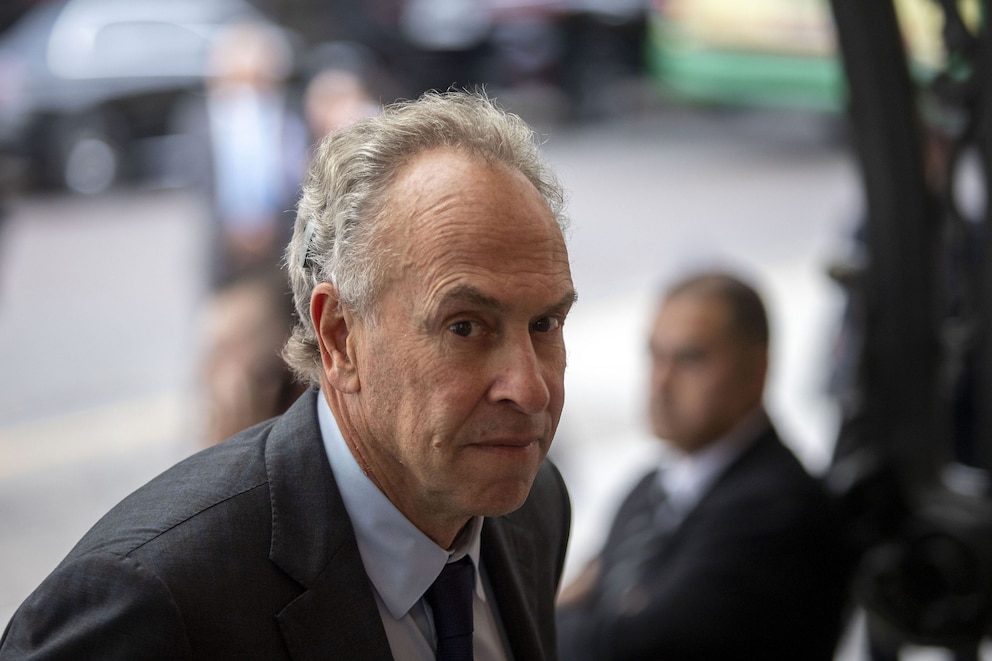
Cada crisis se reescribe como oportunidad, cada entrega como modernización, cada humillación como integración al mundo. La Argentina no se rinde: se reinventa en su subordinación. En el mapa global, eso la convierte en un activo confiable. No porque cumpla sus promesas, sino porque promete su cumplimiento con pasión teatral. El mundo no le teme a la Argentina; le tiene cariño. Es la provincia excéntrica del capitalismo que siempre ofrece un espectáculo distinto y un nuevo recurso que explotar. El país del “que se vayan todos” aprendió finalmente que nadie se va: se quedan todos, reconfigurados. Los banqueros vuelven como benefactores, los políticos como influencers, los economistas como profetas.
La épica nacional se redujo a la competencia por quién traduce mejor la voluntad del mercado. El colonialismo pragmático tiene una última ventaja: la plausibilidad moral. No se impone en nombre de la raza o la civilización, sino de la eficiencia. No promete redención, promete orden. Y en un mundo agotado de ideologías, el orden parece suficiente. Así, la Argentina se vuelve espejo del siglo: un país sin ideología pero con litio, sin épica pero con reservas, sin proyecto pero con aliados. Un país que no cree en el futuro, pero lo firma.
Vecindario y relevancia decreciente de la ideología
Sudamérica alguna vez fue un laboratorio ideológico. Cada década se narraba a sí misma como una epopeya: las reformas, las dictaduras, las revoluciones, los milagros. Hoy, el continente funciona más como zona de amortiguación que como campo de batalla de ideas. La ideología perdió su función tectónica; lo que quedan son administradores de recursos, cada uno con su gramática moral. Chile ensayó la refundación progresista con Boric y descubrió que el idealismo no paga facturas. El litio y el cobre dictan la política energética; la constitución fallida demostró que la sensibilidad de izquierda no puede competir con el precio del dólar. El país que fue símbolo de modernización ilustrada se volvió ejemplo de moderación: un socialismo de planilla Excel. Brasil vive atrapado en un doble espejo. Lula vuelve, pero sin el aura de redentor. Gobierna como un gestor veterano en un sistema que ya no lo necesita para legitimar su capitalismo. Su Brasil es un coloso cansado que administra la inercia, mientras la Amazonia se seca y el agronegocio define la política exterior. Venezuela se disuelve entre sanciones, emigración y una narrativa revolucionaria que ya no conmueve ni a sus fieles. El país dejó de ser amenaza para convertirse en excusa: una anomalía que justifica el intervencionismo. Nadie teme a Maduro; lo necesitan para que el resto parezca cuerdo. Cuba sobrevive por nostalgia. Su épica se marchitó y su turismo ideológico se agotó.
Sudamérica alguna vez fue un laboratorio ideológico. Cada década se narraba a sí misma como una epopeya: las reformas, las dictaduras, las revoluciones, los milagros. Hoy, el continente funciona más como zona de amortiguación que como campo de batalla de ideas. La ideología perdió su función tectónica;
Tweet
Lo que es mas grave aún es que los jóvenes sub continentales no discuten marxismo: googlean cómo emigrar. El socialismo caribeño se convirtió en ruina patrimonial y en decorado para tik toks melancólicos. El continente que en los sesenta pretendía salvar el mundo hoy apenas logra alimentarlo. Sus materias primas reemplazaron a sus utopías. Ya no hay tercermundismo ni dependencia: hay supply chain management. La historia dejó de ser el horizonte y se transformó en variable de ajuste. En este contexto, la Argentina aparece como síntesis: el país que conserva el lenguaje de la rebeldía y la estética de la decadencia, pero que ya opera como modelo de integración subordinada.
Su locura es su ventaja comparativa: produce relato, emoción y espectáculo, justo lo que necesita el capitalismo para disimular su vacío. Sudamérica entera vive en ese limbo: demasiado endeudada para ser libre, demasiado culta para resignarse del todo. Sus gobiernos cambian de signo, pero las condiciones materiales no se mueven. Las izquierdas gestionan con manuales del FMI; las derechas gobiernan con marketing social. La ideología se ha vuelto cosplay, un disfraz conmemorativo para justificar las mismas políticas. El nuevo orden mundial no necesita países creyentes, sino socios previsibles. Y la región, cansada de creer, parece dispuesta a obedecer. Así se extingue la última gran narrativa política del sur: la de que el sufrimiento podía transformarse en historia.
Epílogo: Cómo no volverse subhumano
Queda una pregunta inevitable: ¿qué se puede hacer cuando las instituciones colaboran entre sí para invisibilizar a las personas, cuando la burocracia se vuelve naturaleza y el lenguaje carece de efecto? Quizás lo único posible sea seguir documentando. Archivar, escribir, hablar. Negarse a aceptar que la versión oficial sea la única versión posible. La resistencia ya no es heroica; es meticulosa. Consiste en preservar la humanidad dentro de sistemas que administran vidas como datos.
El mundo que emerge —el de Dimon, Blair, Rice y Milei— no necesita sujetos, necesita usuarios. La única defensa es mantener la capacidad de narrar, de poner nombres donde el poder impone códigos, de describir la realidad sin pedir permiso. Eso, y recordar que toda hegemonía, por perfecta que parezca, siempre lleva en su interior el germen de su obsolescencia. El capital también envejece, también olvida, también comete errores de cálculo. Y cada error abre una grieta por la que entra la historia. Mientras tanto, el mármol del Colón seguirá brillando, los banqueros seguirán sonriendo y los países seguirán firmando. Pero en alguna parte —quizás en una mesa anónima, quizás en un blog— alguien tomará nota de la escena. Y esa nota, por mínima que sea, será una forma de desobediencia. Porque escribir todavía es una manera de no volverse subhumano.
Queda una pregunta inevitable: ¿qué se puede hacer cuando las instituciones colaboran entre sí para invisibilizar a las personas, cuando la burocracia se vuelve naturaleza y el lenguaje carece de efecto? Quizás lo único posible sea seguir documentando.
Tweet
Rodrigo Cañete — Todos los derechos reservados.
The Presence of Vice-Emperor Jamie Dimon, CEO of J.P. Morgan, in Buenos Aires How the Empire Outsourced Its Diplomacy (and Found Argentina) (ENG)

Prologue: From Wimbledon to the Colón
I understood the scene with brutal literalness as it unfolded. We were an improbable table in the Wimbledon VIP tent in 2010: John Mack — my almost-father through my friendship with Jenna — then CEO of Morgan Stanley, the Baron de Rothschild, and a Labour Foreign Secretary who, if memory doesn’t betray me, was David Miliband under Gordon Brown. I watched from the edge of borrowed manners, puzzled by something that now seems obvious: a politician’s servitude to money is not a deviation; it is the choreography.
Miliband’s body leaned forward, as if the conversation had its own gravity and the center of the orbit lay with Mack and the Baron. It wasn’t crude flattery; it was bureaucratic precision. That day I learned that democratic politics — at least the post-crisis British variety — does not rule over the City; it serves it. Not out of weakness of character, but by design: the State is the apparatus that prevents the flow from collapsing. Legitimacy is the moral form of that servitude.

Years later, walking through the Golden Hall of the Teatro Colón, I saw the same scene again, only without Protestant restraint and with marble. Tony Blair and Condoleezza Rice smiled among arias and camera flashes as if Buenos Aires were the stylized branch office of a think tank with an orchestra. They didn’t come to listen to music; they came to be listened to — or rather, to let their names be heard as guarantees. Consulting — that industry which rents out reputation to governments desperate to appear trustworthy — operates here as aesthetic diplomacy: empire no longer needs embassies when it has salons and former prime ministers for hire.
It is not Argentina seeking validation from the West; it is the West admiring itself in a Latin American mirror. The photograph doesn’t speak to the nation but to the triad London-Washington-New York: “The market is open; the local elite rehearses the proper gesture; European architecture still works as a certificate of civilization.” That the gala coincides with Jamie Dimon’s visit is no coincidence but syntax: first the ritual, then the clause. The Colón as red carpet so capital feels at home. The inside is manufactured from the outside: if the bankers applaud, the risk premium drops — and with elections days away, Milei’s shock may soften.
I think of Mack, not at Wimbledon but in his memoirs: he doesn’t write like a CEO but like a general. His chapters are full of troops, discipline, inner morale, references to the Second World War. Mack’s world had a sense of honor; power was a code of conduct. In that ecosystem, conversation among equals had to be direct: “If we’re going to do business, we need to be direct.” That is why he bristled when — in the storm of 2008 — he sensed that Jamie Dimon, the head of J.P. Morgan, was talking to his subordinates behind his back to take the temperature. For Mack, that broke the gentleman’s pact; for Dimon, it was simply an updated method.

There the story splits: from investment banking as elite army to universal banking as imperial bureaucracy. Morgan Stanley and Goldman were intellect and courage; J.P. Morgan is infrastructure. The former lived off talent and calculated risk; the latter off scale, deposits, retail, sovereign debt — a foot in every ministry. “Mack the Knife” represented the old aristocracy of the market, the belief that loyalty would sustain the fortress. Dimon is the viceroy of the new order: he doesn’t fight battles; he administers territories.
The Wimbledon scene serves me now not out of nostalgia but as instruction. What seemed a detail — a UK minister’s reverence before two bankers — was the recipe. Post-2008 liberal democracy discovered that survival demands gestures of reassurance toward finance; Latin America exports those gestures with music, gratitude, and a touch of tackiness.
Tweet
Argentina enters this scene as what it is in the twenty-first century: a reserve, not an idea. The continent’s soul is no longer at stake — its periodic table is. Lithium, gas, copper, the whole Cow, skin and bone. China digs with railways and contracts; the United States audits with banks and consultants. Blair and Rice smile as they step from their cars; Dimon checks the paperwork. In the Colón, obedience is theatricalized; in the ministry, the mortgage is negotiated. Between the two lies the national form: an elite that mistakes modernization for elegant servitude, and a public that learns to stare at marble so as not to look at the numbers — and applauds like zombies.
The Wimbledon scene serves me now not out of nostalgia but as instruction. What seemed a detail — a UK minister’s reverence before two bankers — was, in miniature, the recipe. Post-2008 liberal democracy discovered that survival demands gestures of reassurance toward finance; Latin America exports those gestures with music, gratitude, and a touch of tackiness. The Colón was not a gala hall but a pop-up office for J.P. Morgan. Dimon didn’t come to hear Verdi; he came to audit the marble. Each applause sounded like an implicit clause of the next loan.

From Mack I learned the ethics of direct command; from Dimon I understood the grammar of control. One spoke of men and battles; the other operates with maps and reserves. The first is ill with memory, literally; the second is pure memory of the system, an algorithm in a tie. Between them, Argentina chooses its role: fortress or managed territory. When a government mistakes sovereignty for cosplay of modernity, the play writes itself: Blair and Rice bless, Dimon decides, and the nation applauds its own terms and conditions, believing them an overture.
Mack vs. Dimon: From General to Vice Emperor
John Mack was never just a banker; he was a commander. His voice carried that military cadence of men who mistake the office for a trench. “Team, discipline, morale.” That’s how he wrote, how he spoke, how he trained his people at Morgan Stanley. He believed the value of a bank lay in the cohesion of the group — in the nerve to withstand a hostile market. His language, lifted from war manuals, gave him away: battles, allies, deserters, fronts. Once, he and his wife Christie rented the Hôtel Crillon to take all of us — myself included — on a tour of the D-Day beaches.
Jamie Dimon belongs to another lineage. He isn’t a general but a viceroy: he doesn’t defend territory; he administers it. Where Mack imagined the 2008 crisis as an invasion to be resisted with honor, Dimon treated it as an exercise in imperial logistics — absorbing enemies, securing supply lines, negotiating directly with the Treasury. Mack spoke of loyalty; Dimon of liquidity. The episode that set them against each other says it all. Morgan Stanley was on its knees and needed capital. Mack looked for allies among Chinese banks, Mitsubishi UFJ, even Warren Buffett. In the midst of those talks, he discovered that Dimon, from JPMorgan Chase, was sounding out his subordinates to take the firm’s temperature. “If we’re going to do business, we need to be direct,” Mack snapped. “I don’t want you going around me.”
Jamie Dimon belongs to another lineage. He isn’t a general but a viceroy: he doesn’t defend territory; he administers it. Where Mack imagined the 2008 crisis as an invasion to be resisted with honor, Dimon treated it as an exercise in imperial logistics.
Tweet
The phrase rings like the last chivalric defense in a world that no longer needed chivalry. Dimon, serpentine, took note. He wasn’t being disloyal; he was being efficient. Information had become the new morality. What Mack called betrayal, Dimon called method — espionage and corruption now normalized under Trump, then still forbidden. That difference marks the civilizational shift of financial capitalism. Morgan Stanley and Goldman Sachs were the aristocratic brain of Wall Street: pure advisory firms, no deposits, no loans, moving other people’s money with talent and secrecy. Their power came from elegance — few clients, immense margins, internal codes. They were knightly orders within the market. Each partner carried honor and unlimited responsibility.
JPMorgan Chase is something else. It is a state within a state: millions of clients, offices in sixty countries, lobbying power and influence over monetary policy. Its culture is not that of individual genius but of the system itself. There are no heroes there, only processes. Its scale allows it to survive any storm because the storm belongs to it. In 2008, while Morgan Stanley desperately hunted for capital, JPMorgan swallowed Bear Stearns with government approval. Where Mack saw moral tragedy, Dimon saw logistical opportunity — and he won. Morgan Stanley and Goldman Sachs ended up becoming commercial banks to access Fed liquidity; JPMorgan emerged stronger. Dimon became a direct interlocutor of the Treasury and the White House — all of it, ironically, thanks to Obama, who allowed the next phase of capitalism to unfold.
The personal story became structure: Mack, the last knight of investment banking. Dimon, the first viceroy of post-crisis capitalism. The difference between them is not only of style but of ontology. Mack believed in the morality of risk: better to lose with honor than win by opportunism. Dimon believes in the morality of continuity: the only sin is interrupting the flow. One builds prestige; the other accumulates power. One shapes people; the other designs systems. Mack ended his days discussing strategy and Shakespeare. Dimon ends his talking with the SEC and calculating capital ratios. Mack saw his traders as fighter pilots; Dimon sees them as nodes in a network of intelligence. Mack still believed in the banker as craftsman; Dimon sanctifies the banker as algorithm.
So when we see Dimon land in Buenos Aires to meet Milei, the gesture must be read in imperial code. He is not an entrepreneur seeking deals; he is the delegated governor of a global financial order. If Mack was the last soldier fighting for the honor of Wall Street, Dimon is the perfect bureaucrat of globalized capital — one who no longer needs visible conquests because he already manages the air we breathe. Just as Mack regarded politicians as partners with whom to negotiate limits, Dimon sees them as providers of temporary stability. Mack worried about codes of ethics; Dimon about swap clauses. Mack needed trust to operate; Dimon requires obedience.
New Masculinities
In that contrast lies the passage from an age of masculine honor and excess to one of technocratic emotional control. Mack was the banker who shouted; Dimon is the one who smiles while restructuring. John Mack took pride in his nickname, “Mack the Knife”; Dimon doesn’t need a knife — his weapon is the interest rate.
John Mack took pride in his nickname, “Mack the Knife”; Dimon doesn’t need a knife — his weapon is the interest rate.
Tweet
The 2008 scene between them has almost biblical resonance: old Wall Street facing the new. Mack with his ethics of the pledged word; Dimon with his intelligence of data and political power. The first retires ill with Alzheimer’s, embodying quite literally the institutional amnesia of Wall Street. The second remains lucid, symbol of a system that forgets nothing and records every transaction. Mack is flesh; Dimon is circuit — two kinds of intelligence, the human versus the AI spy-net.
And while Mack ages in retirement, Dimon presides over banquets at the Colón. The handover is complete. The salons of Buenos Aires now replace the boardrooms of Manhattan as stages for the legitimation of financial empire. What was once decided among generals of banking is now performed before cameras and champagne glasses. Morality has become protocol. Capital no longer needs generals; it needs viceroys. And in that transition, Argentina — a nation that once dreamed of becoming industrial — has become an administrative province of the global financial order.

Blair & Rice at the Colón: Consulting as Aesthetic Diplomacy
Some scenes can only be understood once you learn to see money as choreography. Watching Tony Blair and Condoleezza Rice cross the Golden Hall of the Teatro Colón, flanked by executives and ministers, was not a matter of protocol — it was a political installation. They are symbolic bodies, rented by the hour, whose mere presence legitimizes an agenda. Blair ceased to be a politician long ago; today, he is a brand. His firm, Tony Blair Associates, offers “strategic insight” and “institutional confidence” to governments eager to appear stable before the markets. Rice does the same through RiceHadleyGates, selling access, reputation, and connections. Both operate as cultural intermediaries of capital: they translate Wall Street’s will into diplomatic language and return to capital the appearance of civilization.
Watching Tony Blair and Condoleezza Rice cross the Golden Hall of the Teatro Colón, flanked by executives and ministers, was not a matter of protocol — it was a political installation. They are symbolic bodies, rented by the hour.
Tweet
In Buenos Aires, their visit coincided with that of Jamie Dimon — not by accident, but by design. In fact, they were invited by him. Global capital moves like an opera: Blair and Rice are the soloists of the overture; Dimon, the conductor adjusting the tempo. While the consultants lend the prestige of liberal Western politics, the banker evaluates whether the country deserves credit. Elite consulting is the final stage of old imperial diplomacy. It no longer deals in embassies and treaties but in brands that generate trust. Blair, Rice, Cameron, even certain former Latin American presidents, all sell the same thing: their signature as a guarantee of belonging.
They appear, smile, moderate panels, and with each gesture they trigger the same subtext — “The West approves this experiment.” The Colón gala was exactly that. The theatre, with its European architecture and upper-class history, became a colonial echo chamber. In its marble surfaces, the old slogan “Argentina is back in the world” — a phrase recycled since the Menem years whenever the country prepares to sell its assets politely — reflected perfectly. Nothing that night was improvised. Blair and Rice were invited not for their ideas but for their utility as moral décor. They embody the promise that a civilized international order still exists — even if it rests on extractive contracts and conditional loans. Their function is to lend cultural solemnity to economic surrender. As the arias swelled, the true message was financial.
Blair and Rice were invited not for their ideas but for their utility as moral décor. They embody the promise that a civilized international order still exists — even if it rests on extractive contracts and conditional loans.
Tweet
The United States blesses the Milei laboratory; London provides symbolic consulting; Wall Street audits the conditions. The Colón became a cathedral of democratic capital — a place where the old liturgies of music merge with the new rites of money. There was a detail that said it all. When the cameras caught Blair applauding, behind him sat the Central Bank president, the economy minister, and a J.P. Morgan executive. That frame was a manifesto: the State and the bank, side by side, sanctified by a former British Prime Minister. No communiqué could express it better. International political consulting is now the moral equivalent of credit: it lends image. Blair and Rice go where capital wants to go, but they speak the language of ethics. Unlike Dimon, they don’t demand balance sheets; they demand narratives. Their job is to translate the logic of the loan into the grammar of progress. That is why, when they appear in the global South, they arrive surrounded by words like modernization, inclusion, transparency — vocabulary that disguises the surrender of sovereignty beneath a tone of coaching. At heart, both embody the West’s nostalgia for its own superiority. Each trip, each conference, each photo taken in a neoclassical theatre repeats the same message: the empire hasn’t died — it has outsourced its diplomacy. And Argentina, charmed by its European reflection, once again serves as the mirror. Blair smiles as if blessing a reconciliation; Rice smiles as if delivering a masterclass in fiscal responsibility. But what they truly bless and teach is elegant submission — the art of being extractive with the manners of a seminar. In the global hierarchy of power, Blair and Rice occupy the role of priests: mediators between the invisible god of capital and the faithful who still believe in salvation through investment. Their liturgy is to perform credibility. The Colón was their cathedral, the bankers their choir, Argentina their portable altar.
What began at that Wimbledon table — Miliband’s bow before Mack and Rothschild — now unfolds in full scale. What was once a private gesture of subordination has become public spectacle. In 2008, a minister bowed; in 2025, an entire country does. Blair and Rice did not come to observe Argentina; they came to perform the illusion that global power still retains its décor. The Colón gave them the perfect stage. There, amid gold leaf and mirrors, the aesthetic alliance between new technocracy and old aristocracy was sealed. Neither requires human beings — only spectral projections, literal ghosts. The specter haunting this new order, one that John Mack no longer recognizes (for medical, but above all ethical and cultural reasons), proves that the order has been restored — at least in appearance. Within that illusion, Peronism no longer appears as a real adversary but as a symbol of hope from below — something to be destroyed.
Local Precedent: Normalized Insider Culture
When people talk about corruption in Argentina, the debate usually revolves around envelopes, contracts, and public tenders. But the real cancer is more discreet: proximity. What in other countries is called a conflict of interest, here is celebrated as networking. During the government of Mauricio Macri, there was an episode that revealed to me just how deeply this normalization had become structural. I published it on my blog, without hysteria — just the fact and the question.
hat in other countries is called a conflict of interest, here is celebrated as networking. During the government of Mauricio Macri, there was an episode that revealed to me just how deeply this normalization had become structural.
Tweet
Facundo Minujín, then a rising executive at J.P. Morgan and son of the artist Martha Minujín, met with Luis “Toto” Caputo, the Minister of Finance, days before a major devaluation. The meeting did not appear on the public schedule, and shortly afterward, the peso collapsed. You didn’t need to be a detective to see the sequence. In any serious financial market, that coincidence would have triggered an investigation. In Argentina, it was filed away with a smile. The official explanation was that it was merely a technical meeting — a euphemism which, in Buenos Aires, means: everyone knew what was coming, we just pretended to be surprised. From that moment on, Minujín’s career took off. He rose within the bank, consolidated himself as an interlocutor for successive governments, and when Dimon landed in the country, he was one of the men in charge of the logistics.
I know both Minujín and Dimon, and I like them. He’s intelligent, polite, even charming. But that doesn’t change the essential fact: that meeting was an act of systemic corruption — not because of what was proven, but because of what was tolerated. What matters is not the anecdote but the pedagogy it leaves behind. Since then, the country has learned that the line between politics and banking doesn’t exist — it’s negotiated in cafés, whitewashed in conferences, and celebrated at galas. Access culture has replaced the rule of law. And that substitution — more than any coup or crisis — is what guarantees the continuity of financial colonialism. What in 2018 was an “off the record” meeting has now become state policy. The current government doesn’t need to hide its collusion; it showcases it as a symbol of modernity. That ethical boundary silently crossed by Caputo and Minujín was the pilot test for a new regime: institutionalized insider capitalism, where proximity to power is the business model.
What in 2018 was an “off the record” meeting has now become state policy. The current government doesn’t need to hide its collusion; it showcases it as a symbol of modernity. That ethical boundary silently crossed by Caputo and Minujín was the pilot test for a new regime: institutionalised insider capitalism.
Tweet
That’s why, when J.P. Morgan organizes its gala at the Colón, it isn’t invading a space — it’s coming home. The local system had already been reconfigured to receive it. Foreign capital doesn’t impose its rules; it adapts to native practices — which happen to be its own. Argentina has always had a singular trait: its elites don’t corrupt themselves for money, but for belonging. They don’t want to be richer; they want to be accepted. The banker who leaks information to a minister doesn’t do it out of greed, but to feel part of the global circuit — to erase the distance that separates him from Manhattan. In the Macrified Golden Hall, corruption becomes aspirational. That also explains the case’s symbolic immunity. No one was scandalized because the scene felt familiar: a young, well-dressed executive, a polite minister, a “working” meeting in a moment of crisis. It’s the same aesthetic of impunity that the patrician salon or the lodge embodied centuries ago. The crime isn’t the act; it’s the naturalness. Unlike Mack, who was horrified by mere rumors of disloyalty, Dimon understands that the system works precisely because of this transparent promiscuity. Insider culture is the modern version of feudal loyalty: everyone knows something, everyone owes something, and no one exposes anyone. That web of complicity is the lubricant that keeps the machinery frictionless. That’s why, when Dimon looks at Argentina, he doesn’t see a corrupt country; he sees a familiar ecosystem. The same informality that would be illegal in London or New York is operational here. Officials talk to bankers, bankers to journalists, journalists to judges — and they all meet again at the gala.
The Argentine power system doesn’t repress proximity; it aestheticizes it. The irony is that this ethic of access — this cordial corruption — ends up being the competitive advantage that makes the country attractive. Global capital looks for territories where it can operate without institutional brakes but with the appearance of legality. And Argentina, with its cultural sophistication and chronic state weakness, offers exactly that: deregulation with glamour. Even the event’s decorator, La Iturrioza, embodied this logic perfectly — her job was to guarantee visitors that we are less. In this context, the Minujín–Caputo case wasn’t a scandal; it was a signal. It marked the moment when the country stopped pretending independence and decided to formalize its role as broker between privileged information and foreign capital. What the press treated as a minor footnote will one day be recognized as the date when elegant subordination became normal. Because if Argentina teaches anything, it’s that corruption doesn’t need bribes — only good manners, smiles, and a well-timed toast in the right room.
New Order: Monroe 2.0 vs. the Mineral Route
The world is no longer organized by ideologies but by minerals. What once divided nations — capitalism or socialism — now unites or opposes them depending on what lies beneath their soil. Lithium, copper, gas, and rare earths have become the grammar of the twenty-first century. The United States, in the post-Trump and post-Biden era, has understood that hegemony is no longer defended with aircraft carriers but with supply contracts. Hence the tacit revival of the Monroe Doctrine: America for Americans, translated this time as secure supply chains for U.S. industry. Meanwhile, China weaves its own network under a gentler name — the Mineral Silk Road. Beijing doesn’t impose military bases or demand political alignment; it builds infrastructure, finances routes, and buys into mines. Over the past decade, Chinese companies have secured decisive positions in the lithium triangle (Argentina, Chile, Bolivia), Peruvian copper, and Brazilian niobium. The dispute isn’t for territory but for logistics. Washington needs the flow of critical minerals for its batteries, chips, and defense industries not to depend on Beijing; China needs assured access to sustain its energy transition. The battlefield’s name is South America.
Argentina — with its mix of resources, institutional fragility, and pseudo-Western glamour — is the perfect stage. From Washington, it is seen as the hinge that can “contain” Chinese expansion without using force. From Beijing, it looks like an open door: local informality allows quick, discreet deals. Milei, breaking ties with China rhetorically while keeping them operationally, plays mediator — selling alignment to one side and opportunity to the other. The supposed $20 billion rescue package negotiated with J.P. Morgan and the U.S. Treasury isn’t merely financial; it’s geostrategic. Every dollar that enters comes tied to the promise of pushing Chinese firms away from mines and export ports. In return, Washington offers what it has offered for a century: symbolic protection and access to its financial markets. The result is a hybrid order: the U.S. acts as resource arbiter, China as silent builder, South America as compliant supplier. Chile rehearses a technical left that regulates without renouncing exports. Brazil, under Lula, struggles to sustain an autonomy that no longer convinces even its own elites. Bolivia, trapped between rhetorical nationalism and real dependency, watches its lithium extracted by foreign machinery. The old ideological cartography melts before the periodic table. In this landscape, Argentina becomes a convenient geopolitical outpost — what in baroque landscape painting is called a repoussoir: the decorative foreground that frames someone else’s scene.
It has neither military nor diplomatic weight, but it can guarantee — or derail — the continuity of northern supply chains. Its instability is its allure: it allows experiments in indirect control at no political cost. This Monroe 2.0 needs no ambassadors or marines; it needs bankers with U.S. passports and consultants with British accents. Blair and Rice legitimize the gesture, Dimon checks the balance sheets, and the State Department looks on contentedly as an entire nation offers itself as a buffer zone between China and the rest of South America. Across the ocean, China wisely refrains from confrontation. It finances highways, donates hospitals, signs swap agreements — and waits. Patience is its most efficient weapon. In twenty years, power will belong not to those who allied with the U.S. but to those who control the physical nodes of transport and energy. The problem — and the tragedy — is that neither empire needs the region’s soul. Unlike the 1960s, there are no ideological crusades, no literacy campaigns, no speeches of liberation.
This Monroe 2.0 needs no ambassadors or marines. Blair and Rice legitimize the gesture, Dimon checks the balance sheets, and the State Department looks on contentedly as an entire nation offers itself as a buffer zone between China and the rest of South America.
Tweet
Today’s Cold War is fought with drones and commodities; its ideology is pragmatism. That is why Venezuela can be bombed without scandal, Cuba abandoned without guilt, and Chile reformed without epic. The continent has lost its capacity to symbolize. In that vacuum, Argentina functions as a laboratory of extractive governance — a country that survives by surrendering resources in exchange for momentary stability. No dictatorship, no revolution — just contracts. Sovereignty is measured in royalty percentages, independence in degrees of fiscal obedience. The question that lingers — the one the Colón answered with its golden glare — is simple: How much is a nation worth when its main export is its availability?
Argentina Today: Pragmatic Colonialism
Argentina in 2025 is not a poor country; it is a managed one. It no longer conceives of itself as a historical project but as a financial asset with cultural identity. Its elite governs with the mentality of a trust fund: keeping nominal ownership while outsourcing management to more competent third parties. Unlike classic colonialism, here there are no foreign invaders or viceroys — only local concessionaires. The new colonialism is pragmatic: it’s not imposed by force but by convenience. Politicians sell sovereignty like a financial derivative; businessmen buy it for access to global capital; the public watches it unfold as a reality show, translated into the blue dollar and trending topics.
The new colonialism is pragmatic: it’s not imposed by force but by convenience. Politicians sell sovereignty like a financial derivative; businessmen buy it for access to global capital
Tweet
The system runs on a precise equation: government guarantees stability for capital; capital grants time to government; citizenship offers silence in exchange. What’s striking is the absence of drama. In other times, the loss of sovereignty produced resistance, manifestos, poetry. Now it produces content — headlines, memes, podcasts. Patriotism has become an aesthetic gesture; surrender, a choreography performed with technocratic pride. Javier Milei embodies this process with almost brutal clarity. His libertarian histrionics — that blend of preacher, tweeter, and economist — conceal a deeper operation: the outsourcing of economic policy. While he screams against the State, he replaces it with a committee of creditors. His anti-system rhetoric is the perfect alibi to reinstall the system in its purest form. Milei’s “freedom” consists in freeing capital from all democratic mediation. His government is the first successful experiment in institutionalized anarcho-capitalism: a country that self-governs by obeying.
The gala at the Colón was the aesthetic consecration of that model. Blair and Rice contributed respectability; Dimon, solvency; Milei, the media extravagance that turned the transaction into spectacle. The audience — entrepreneurs, officials, socialites — applauded, convinced they were witnessing a refoundation. They didn’t understand — or chose not to — that the true refounding had occurred earlier, in the offices where loans and conditions were signed. In reality, it was the continuation of a project begun under Macri and ratified by Cristina Kirchner. The difference from nineteenth-century colonialism is that now territory isn’t occupied, it’s monetized. The flag is replaced by the brand, the army by the consultancy, customs by the algorithm. Natural resources are securitized, taxes outsourced, education privatized. The State doesn’t disappear; it becomes a contractual interface. In this sense, Argentina is a pioneer.
Its history of crises, defaults, and reinventions prepared it to serve as the emotional colony of global capitalism: a country that dramatizes its ruin so perfectly that it ends up inspiring confidence. Its tragedy generates ratings, and ratings generate credit. Poverty becomes content; inequality, data. This pragmatic colonialism has its own ethic: the survivor’s morality. No one believes in the common good, but everyone believes in the market rebound. No one trusts institutions, but everyone trusts that someone will profit from their collapse. Failure is no longer trauma; it’s a business model. That’s why the country can sustain contradictory governments without collapsing: its real power lies not in politics but in the ability to recycle narratives. Every crisis is rewritten as opportunity, every surrender as modernization, every humiliation as integration into the world. Argentina never surrenders — it reinvents itself in its subordination. On the global map, that makes it a reliable asset. Not because it keeps its promises, but because it promises with theatrical fervor. The world doesn’t fear Argentina; it’s fond of it. It’s the eccentric province of capitalism that always offers a new spectacle — and a new resource to exploit.
The country of “throw them all out” finally learned that no one leaves: everyone stays, reconfigured. Bankers return as benefactors, politicians as influencers, economists as prophets. The national epic has been reduced to a competition over who best translates the market’s will. Pragmatic colonialism has one last advantage: moral plausibility. It doesn’t impose itself in the name of race or civilization but of efficiency. It doesn’t promise redemption, it promises order. And in a world exhausted by ideology, order feels like enough. Thus Argentina becomes a mirror of the century: a country without ideology but with lithium, without epic but with reserves, without a project but with allies. A nation that doesn’t believe in the future — but signs it.
Neighbourhood and the Waning Relevance of Ideology
South America was once an ideological laboratory. Each decade narrated itself as an epic: reforms, dictatorships, revolutions, miracles. Today, the continent functions less as a battlefield of ideas and more as a buffer zone. Ideology has lost its tectonic power; what remain are resource managers, each with their own moral grammar. Chile tried progressive refoundation under Boric and discovered that idealism doesn’t pay bills. Lithium and copper dictate energy policy; the failed constitution proved that leftist sensitivity cannot compete with the price of the dollar. The country that once symbolized enlightened modernization has become the model of moderation: a spreadsheet socialism. Brazil lives trapped in a double mirror. Lula has returned, but without his messianic aura. He governs like an aging manager in a system that no longer needs him to legitimize its capitalism. His Brazil is a tired colossus, administering inertia while the Amazon dries and agribusiness defines foreign policy. Venezuela dissolves amid sanctions, emigration, and a revolutionary narrative that no longer stirs even its loyalists. The country has ceased to be a threat and become an excuse — an anomaly that justifies interventionism. No one fears Maduro; they need him to make the rest look sane. Cuba survives on nostalgia. Its epic has withered; its ideological tourism is exhausted. What’s worse, young South Americans no longer debate Marxism — they Google how to emigrate. Caribbean socialism has become a heritage ruin, a backdrop for melancholic TikToks. The continent that in the 1960s sought to save the world now barely manages to feed it. Its raw materials have replaced its utopias.
South America was once an ideological laboratory. Each decade narrated itself as an epic: reforms, dictatorships, revolutions, miracles. Today, ideology has lost its tectonic power; what remain are resource managers, each with their own moral grammar.
Tweet
There is no longer Third-Worldism or dependency — only supply-chain management. History has ceased to be a horizon; it is now a variable of adjustment. In this context, Argentina appears as synthesis: the country that preserves the language of rebellion and the aesthetic of decay, but operates as a model of subordinate integration. Its madness is its comparative advantage: it produces narrative, emotion, and spectacle — precisely what capitalism needs to disguise its void. The entire continent lives in that limbo: too indebted to be free, too educated to fully resign itself. Governments change colors, but material conditions remain fixed. The left governs with IMF manuals; the right with social marketing. Ideology has become cosplay — a commemorative costume used to justify identical policies. The new world order doesn’t need believing nations, only predictable partners. And the region, tired of believing, seems ready to obey. Thus fades the South’s last grand political narrative: that suffering could still be turned into history.
Epilogue: How Not to Become Subhuman
One question remains inevitable: What can one do when institutions collaborate to erase people — when bureaucracy becomes nature and language loses effect? Perhaps the only thing left is to keep documenting. To archive, to write, to speak. To refuse to accept that the official version is the only possible version. Resistance is no longer heroic; it is meticulous. It consists of preserving humanity within systems that manage lives as data. The world now emerging — that of Dimon, Blair, Rice, and Milei — doesn’t need subjects; it needs users. The only defense is to retain the capacity to narrate — to name what power reduces to codes, to describe reality without asking for permission. And to remember that every hegemony, however perfect it may appear, carries within it the seed of its own obsolescence. Capital, too, ages; it forgets; it miscalculates.
And every miscalculation opens a crack through which history enters. Meanwhile, the marble of the Colón will keep shining, the bankers will keep smiling, and the nations will keep signing. But somewhere — perhaps at an anonymous table, perhaps on a blog — someone will take note of the scene. And that note, however small, will be a form of disobedience. Because to write is still a way of not becoming subhuman.
Rodrigo Cañete — All Rights Reserved.

hacete miembro pago de mi canal de youtube haciendo click aqui




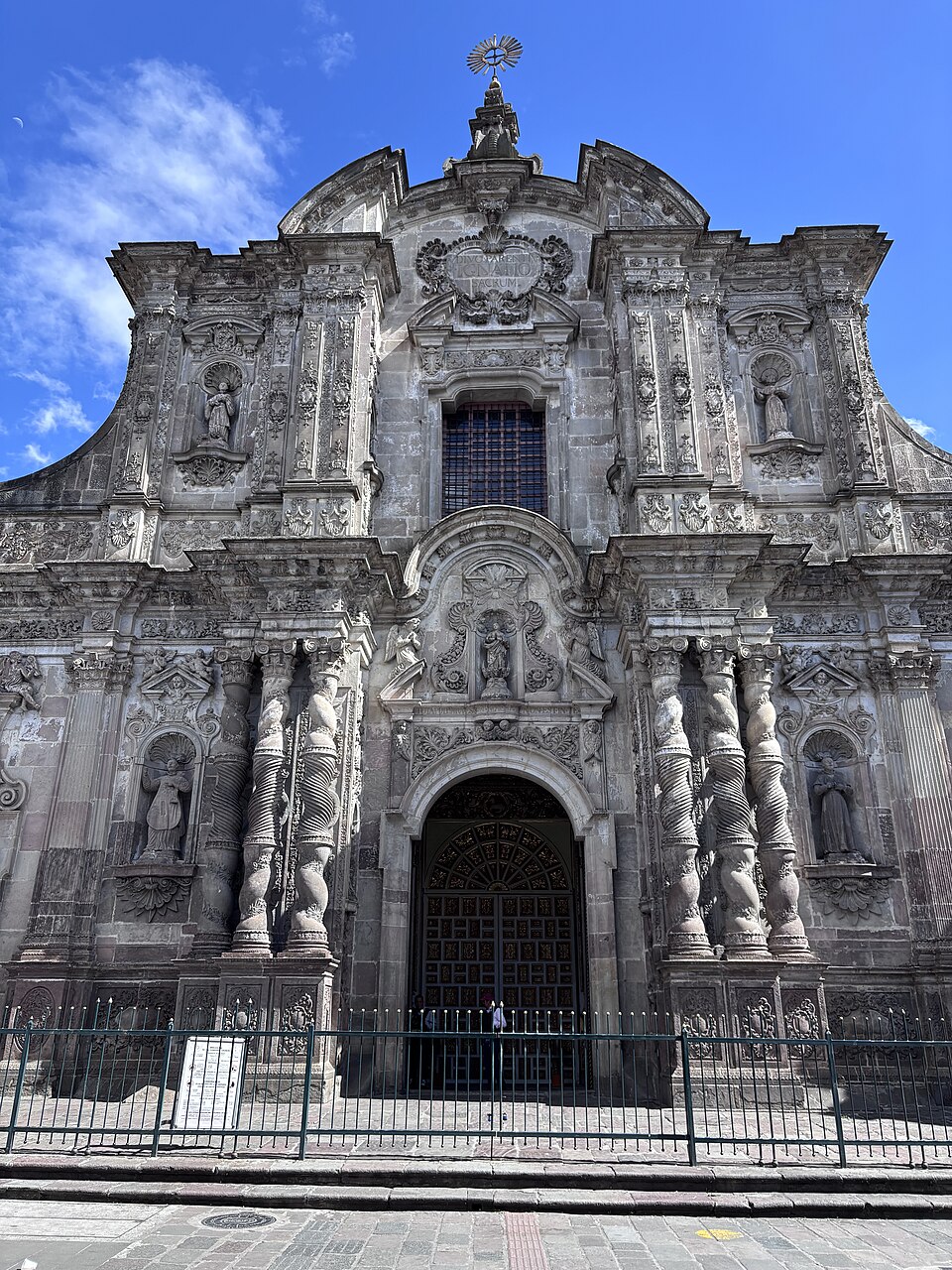
 Loveartnotpeople.bloG
Deja una respuesta