
SCROLL DOWN FOR THE ENGLISH VERSION
Ser hijo único me volvió sensible, sí, pero también torpe: nadie me enseñó a compartir el mundo con otros sin aferrarme o imponerme.
Tweet
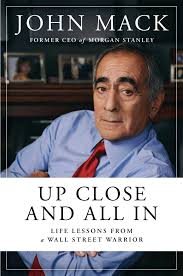
Esta semana, a los 53 años, comprendí algo que tardé media vida en ver. No fue una revelación luminosa, sino una cadena de gestos mínimos que, al encastrarse, hicieron sentido. Todo comenzó el jueves pasado, cuando dejé de escribir en el blog. Lo hice después de retomar, casi por castigo, las memorias de John Mack, ex CEO de Morgan Stanley.
Todo comenzó el jueves pasado, cuando dejé de escribir en el blog. Lo hice después de retomar, casi por castigo, las memorias de John Mack, ex CEO de Morgan Stanley y Credit Suisse. Una suerte de ex segundo padre para mí.
Tweet
Había comprado ese audiolibro hace años, probablemente en Grecia. Pero no fue hasta ahora que decidí escucharlo completo. No era un libro cualquiera. John es el padre de Jenna, a quien muchas veces nombré —sin pudor— como el amor de mi vida. Vivimos juntos. Me dejé afectar por ella. Me sentí elegido por una segunda familia. Y, como toda familia, también esa me expulsó.
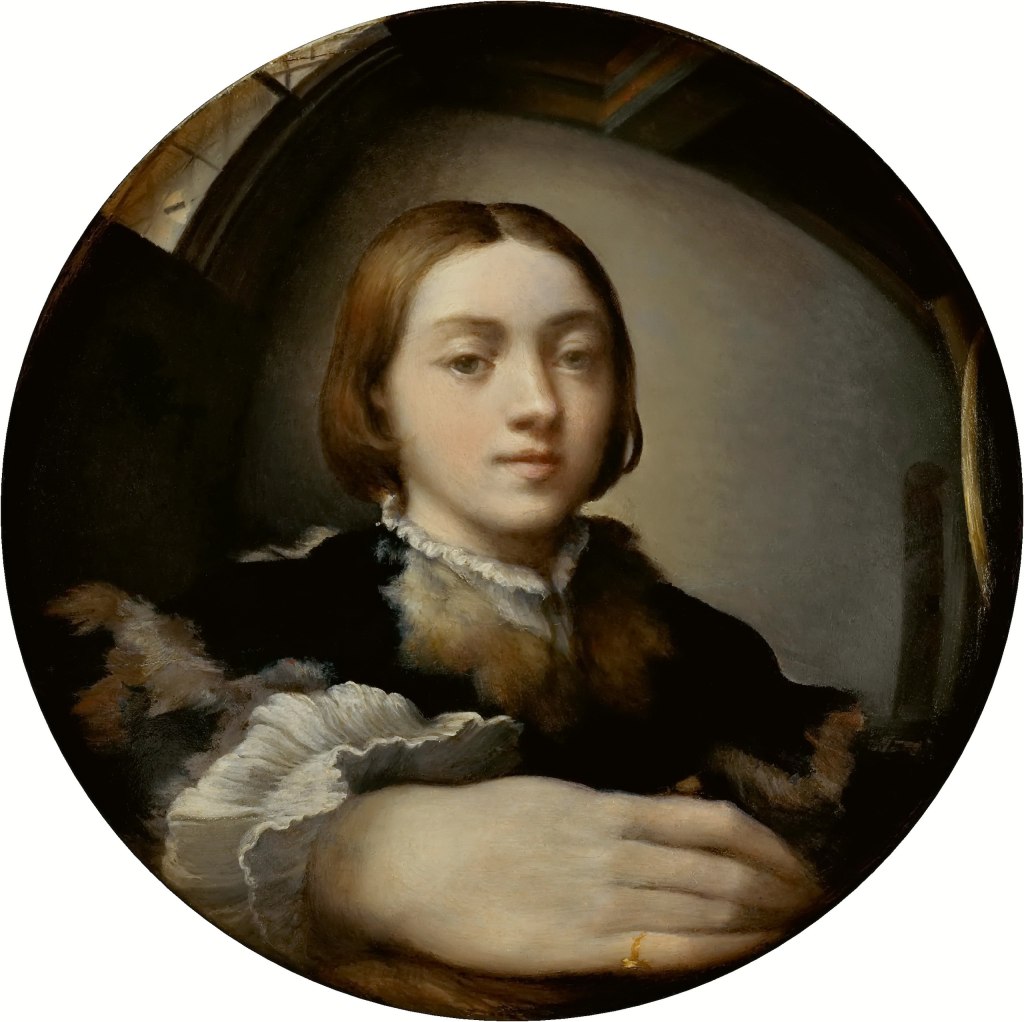
El final fue abrupto. Yo estaba entrando en el duelo anticipado por mi madre, enfrentando una soledad estructural: sin parientes, sin recursos emocionales, con abuso de sustancias. Aquellos dos años no fueron lo peor. Lo más tóxico vino después, cuando entré en Narcóticos Anónimos y su sistema de disciplinamiento y vergüenza.
Pero en aquel tiempo (los comienzos del blog) comencé a psicoanalizar mi vida desde un lugar inmaduro: el de la víctima. Herido, resentido, con un sentimiento de injusticia que confundí con dignidad. La psicosis fue, entonces, mi manera de hacer el duelo. No tenía las herramientas. No supe tramitar el dolor de perder a una madre ni de fracasar en el amor. Ser hijo único me volvió sensible, sí, pero también torpe: nadie me enseñó a compartir el mundo con otros sin aferrarme o imponerme.
El libro de John Mack es gris. Lo había abandonado por monótono. Pero el jueves pasado decidí llegar hasta el final. En la última página cuenta que le diagnosticaron Alzheimer avanzado. Ese dato, casi perdido entre cifras y anécdotas de Wall Street, me perforó. Entendí que no era que no me querían. Había otras urgencias. Otras vidas. Y yo, en plena crisis, reaccioné como supe: diciendo lo imperdonable, dramatizando en público, intentando herir antes de ser herido.
El libro de John Mack es gris. En la última página (que no había leído) cuenta que le diagnosticaron Alzheimer avanzado. Ese dato, casi perdido entre cifras y anécdotas de Wall Street, me perforó. Entendí que no era que no me querían. Había otras urgencias.
Tweet
También esta semana volví a hablar con una amiga de Argentina con la que había perdido contacto por sentirme juzgado. Un cuarto de siglo después, me contó que había pasado por una enfermedad gravísima. No supe nada. No estuve. Mi dolor me cerró los ojos. Yo era el protagonista de todo.
Esta semana volví a hablar con una amiga de Argentina con la que había perdido contacto por sentirme juzgado. Un cuarto de siglo después, me contó que había pasado por enfermedades gravísimas. No estuve. Yo era el protagonista de todo.
Tweet
No escribo esto para culparme. Tampoco para exculparme. Solo para reconocer, con la mayor lucidez que hoy me es posible, que no todo gira alrededor de mi herida. Que el miedo que heredé —ese que a veces se llama paranoia, otras orgullo— me impidió ver el mundo real.
Es difícil aprender a querer cuando uno no aprendió a perder.
Y es eso, creo, lo que esta semana me enseñó. No que todo haya tenido sentido. Sino que el dolor, al menos, puede empezar a hablar con otras palabras. Como escribió Cesare Pavese: “Lo único que se aprende realmente es lo que duele.”
El miedo que heredé —ese que a veces se llama paranoia, otras orgullo— me impidió ver el mundo real.
Tweet
“It wasn’t that they didn’t love me”
This week, at 53, I came to understand something it took me half a lifetime to see. It wasn’t a flash of insight, but rather a series of quiet moments that fell into place and made sense. It all began last Thursday, when I stopped writing on the blog—just after forcing myself to finish Up Close and All In, the memoir of John Mack, former CEO of Morgan Stanley.
It all began last Thursday, when I stopped writing on the blog—just after forcing myself to finish Up Close and All In, the memoir of John Mack, former CEO of Morgan Stanley.
Tweet
I had bought the audiobook years ago, probably in Greece, but hadn’t made it through. It wasn’t just any book. John is the father of Jenna, whom I have often—unapologetically—called the love of my life. We lived so much together. I allowed myself to be changed by her. I felt chosen by a second family. And, like all families, that one also expelled me.
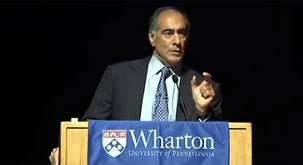
John is the father of Jenna, the love of my life. We lived so much together. I felt chosen by a second family. And, like all families, that one also expelled me.
Tweet
The ending was abrupt. I was entering a phase of anticipatory grief over my mother’s impending death, facing structural loneliness: no close relatives, no emotional tools, substance abuse. Those two years weren’t the worst part. What came after was more toxic still—my time in Narcotics Anonymous, with its mechanisms of discipline and shame.
That’s when I started interpreting my life through a lens I wasn’t mature enough to handle: the lens of victimhood. I was wounded, resentful, convinced I had been wronged—and mistook that belief for dignity. Psychosis became my way of grieving. I didn’t have the tools. I didn’t know how to process the pain of losing a mother or failing at love. Being an only child had made me sensitive, yes—but also clumsy. No one had taught me how to share the world without either clinging to it or dominating it.
I didn’t know how to process the pain of losing love. Being an only child had made me sensitive and clumsy. No one had taught me how to share the world without either clinging to it or dominating it.
Tweet
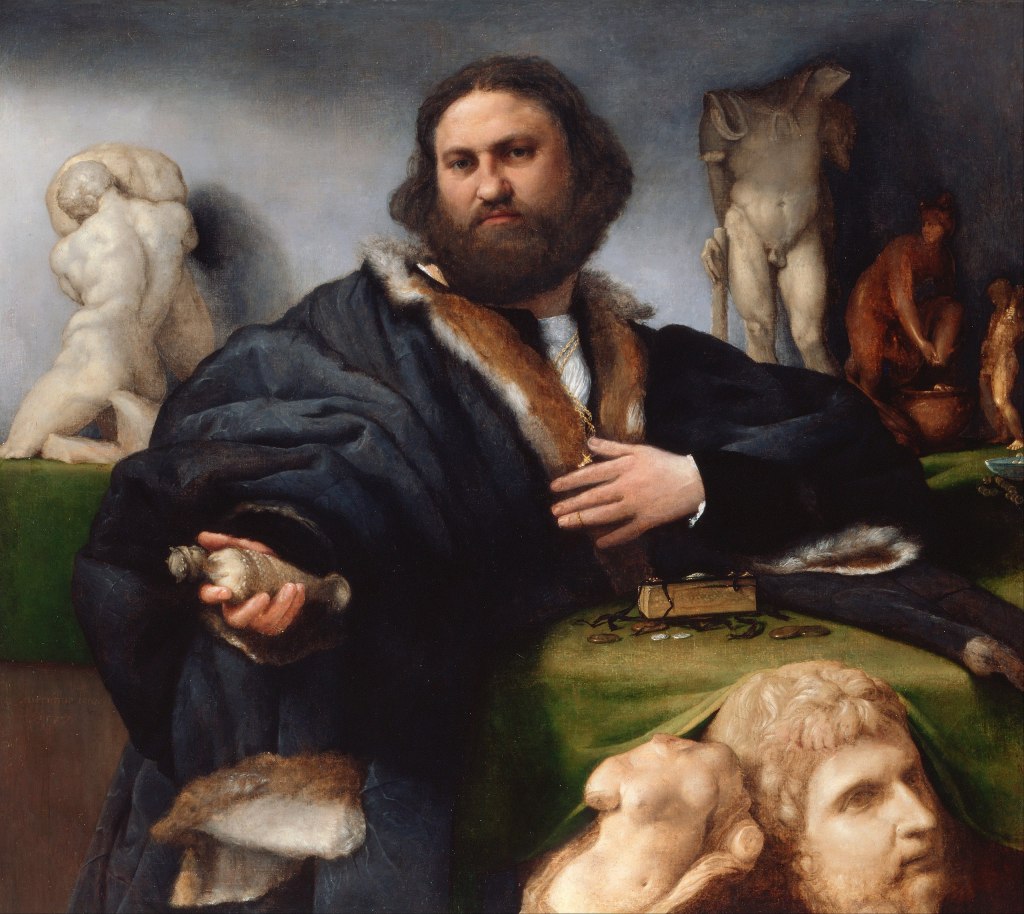
John Mack’s memoir could be considered as dull so slowly I abandoned it. But last Thursday I decided to push through to the end. On the final page, almost buried among boardroom anecdotes and market triumphs, he reveals he’s been diagnosed with advanced Alzheimer’s. That detail hit me like a brick. And suddenly, I understood: it wasn’t that they didn’t love me. There were other priorities. Other lives unfolding. And I—lost in crisis—reacted the only way I knew how: lashing out in public, trying to hurt before being hurt.
I stopped reading John Mack’s memoir. But last Thursday I pushed through to the end. On the final page, he reveals he’s been diagnosed with advanced Alzheimer’s. That detail hit me like a brick: it wasn’t that they didn’t love me. There were other priorities.
Tweet
Something else happened this week. I reconnected with a friend in Argentina I had cut off because I felt judged by her. Twenty-five years later, she told me she had gone through a life-threatening illness. I had no idea. I wasn’t there. My pain had made me blind. I was the protagonist of everything.
I reconnected with a friend in Argentina I had cut off because I felt judged by her. She had gone through two life-threatening illnesses. I had no idea. I wasn’t there. My pain had made me blind. I was the protagonist of everything.
Tweet
I’m not writing this to blame myself—or to absolve myself. I’m writing to acknowledge, with the clarity I have now, that not everything revolves around my wound. That the fear I inherited—the one that sometimes looks like paranoia, and sometimes like pride—has kept me from seeing the world as it truly is.
It’s hard to learn how to love when you never learned how to lose. And that, I think, is what this week has shown me. Not that everything has meaning. But that pain can, at least, begin to speak in a different voice. As Cesare Pavese wrote: “The only thing we truly learn is what causes us pain.”
It’s hard to learn how to love when you never learned how to lose. And that, I think, is what this week has shown me.
Tweet
HACETE MIEMBRO DE MI CANAL PAGO DE YOUTUBE HACIENDO CLICK EN LA IMAGEN DE ABAJO

 Loveartnotpeople.bloG
Deja una respuesta