Todo poder necesita borrar su propio trabajo. No basta con explotar cuerpos, extraer minerales o acumular datos: el poder necesita además separar el resultado de sus condiciones, elevarlo por encima de quienes lo hicieron posible y presentarlo como si perteneciera a otro orden. Esta operación no es un error ni una distorsión del sistema. Es el sistema.
Todo poder necesita borrar su propio trabajo. No basta con explotar cuerpos, extraer minerales o acumular datos: el poder necesita además separar el resultado de sus condiciones, elevarlo por encima de quienes lo hicieron posible y presentarlo como si perteneciera a otro orden.
Tweet
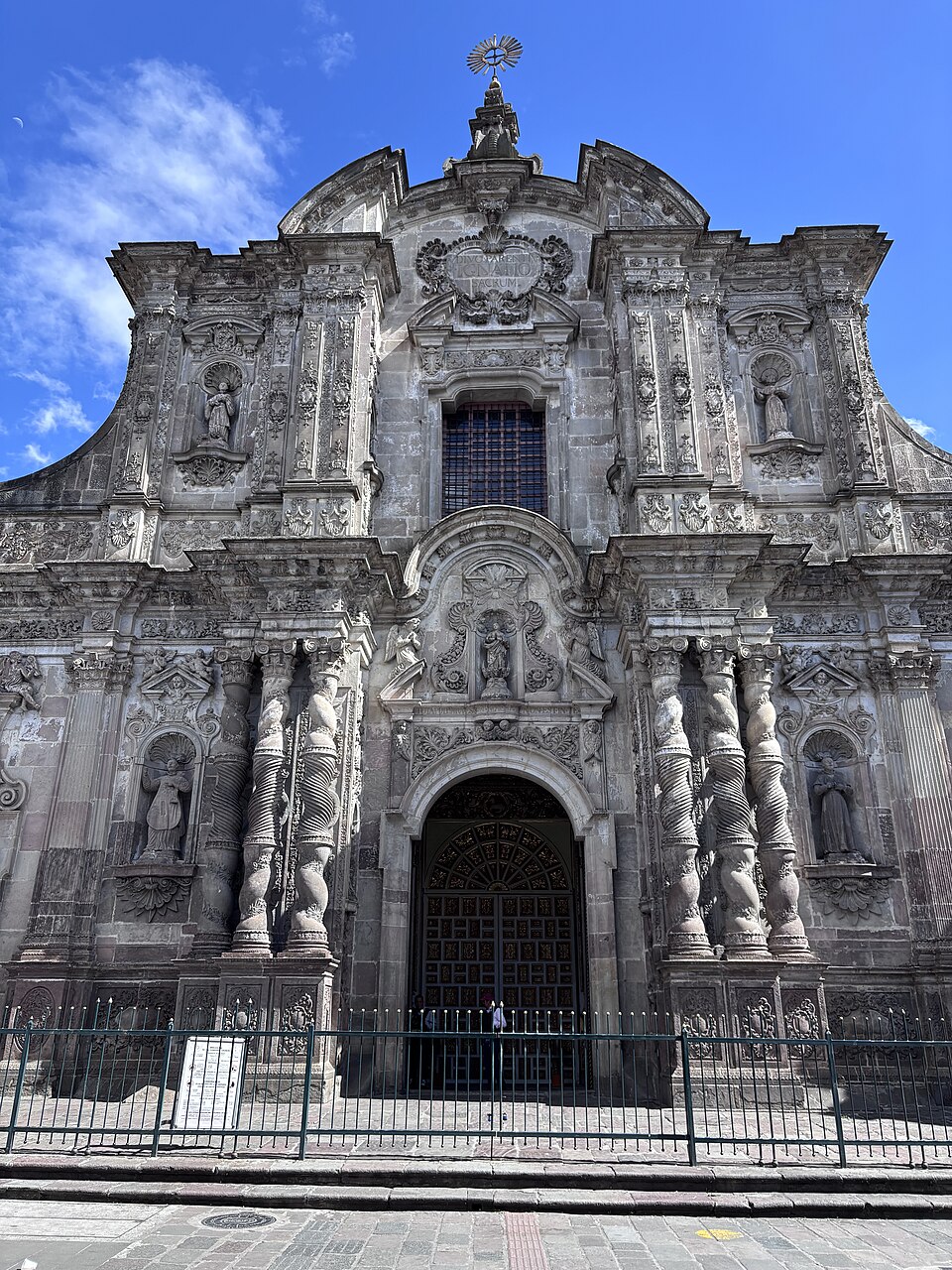
En las portadas barrocas de Nueva España y los Andes, la piedra se desmaterializa a medida que asciende. Los cuerpos inferiores conservan peso; hacia arriba, la masa se fragmenta en estípites, santos, arcángeles, cornisas. La arquitectura parece perder gravedad hasta convertirse en visión. Ese movimiento no es un estilo. Es una tecnología de gobierno racial: la riqueza minera, el tributo y el trabajo indígena son absorbidos por una composición que los devuelve convertidos en gloria de Dios y legitimidad de la Corona. Los cuerpos que construyeron permanecen abajo, atados a la tierra. La autoridad que el edificio proclama aparece arriba, emancipada de sus condiciones. La fachada produce una ficción decisiva: hace parecer que el orden celestial funda el orden colonial, cuando es el trabajo colonial el que construye materialmente la aparición de lo celestial.
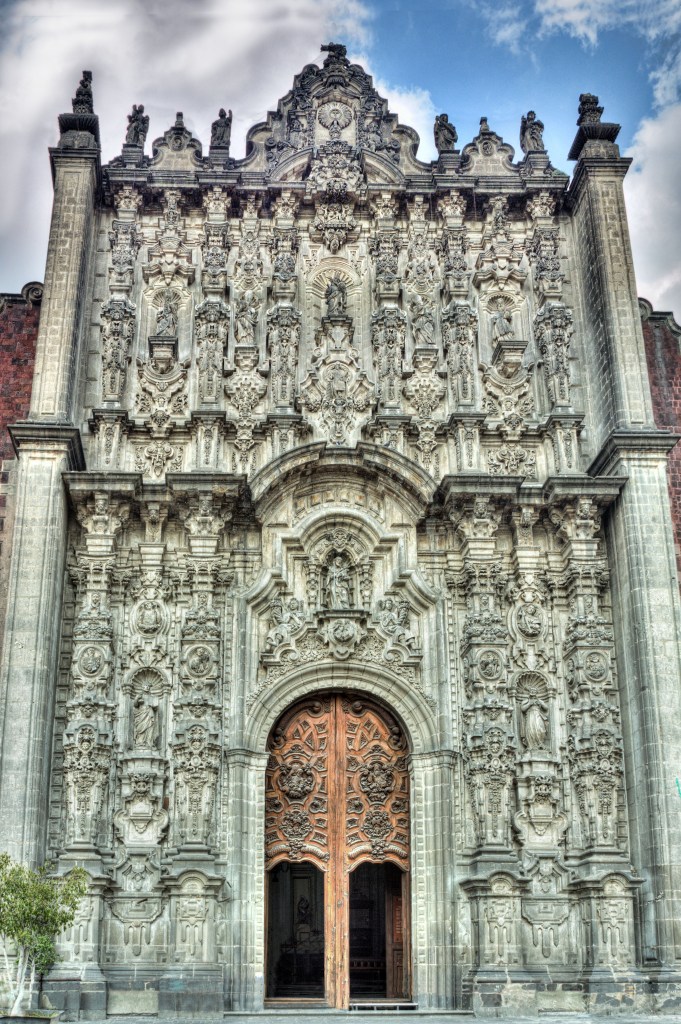
En las portadas barrocas de Nueva España y los Andes, la piedra se desmaterializa a medida que asciende. Los cuerpos inferiores conservan peso; hacia arriba, la masa se fragmenta en santos, arcángeles y cornisas. Ese movimiento no es un estilo. Es una tecnología de gobierno racial.
Tweet
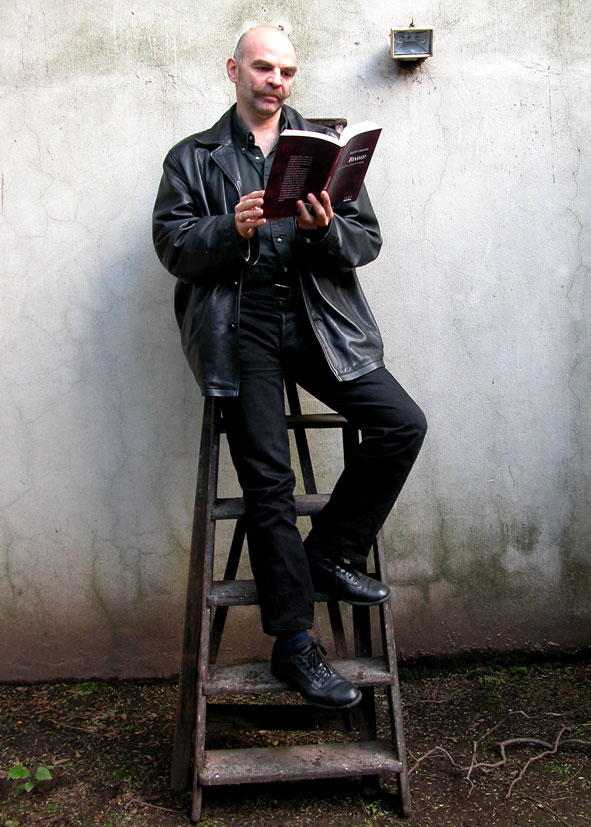
El debate argentino sobre la IA reproduce esa misma operación en otro registro. Martín Caparrós entiende que el problema central es la apropiación del excedente — quién se queda con lo que la máquina produce — y tiene razón en eso. Pero cuando dice que la IA es una herramienta, como un cuchillo, destruye en una frase todo lo que había construido. Un cuchillo no clasifica poblaciones. No decide quién accede a crédito o trabajo. No organiza el campo de percepción dentro del cual otros deliberan. La diferencia entre un instrumento y un ambiente es la diferencia entre un bisturí y un hospital. Caparrós puede ver la plusvalía pero no puede ver la soberanía: ve propietarios y trabajadores, no empresas que controlan visibilidad, reputación y acceso. Ernesto Tenenbaum, desde otro lugar, se pregunta si el modelo tiene sentimientos — si siente algo parecido a angustia — sin preguntarse quién posee el sistema que afirma sentir, ni qué pasó con los trabajadores que etiquetaron sus datos o moderaron sus contenidos traumáticos. La máquina recibe misterio y posible subjetividad. Los seres humanos que la produjeron desaparecen como infraestructura fungible.
Caparrós puede ver la plusvalía pero no puede ver la soberanía: ve propietarios y trabajadores, no empresas que controlan visibilidad, reputación y acceso
Tweet
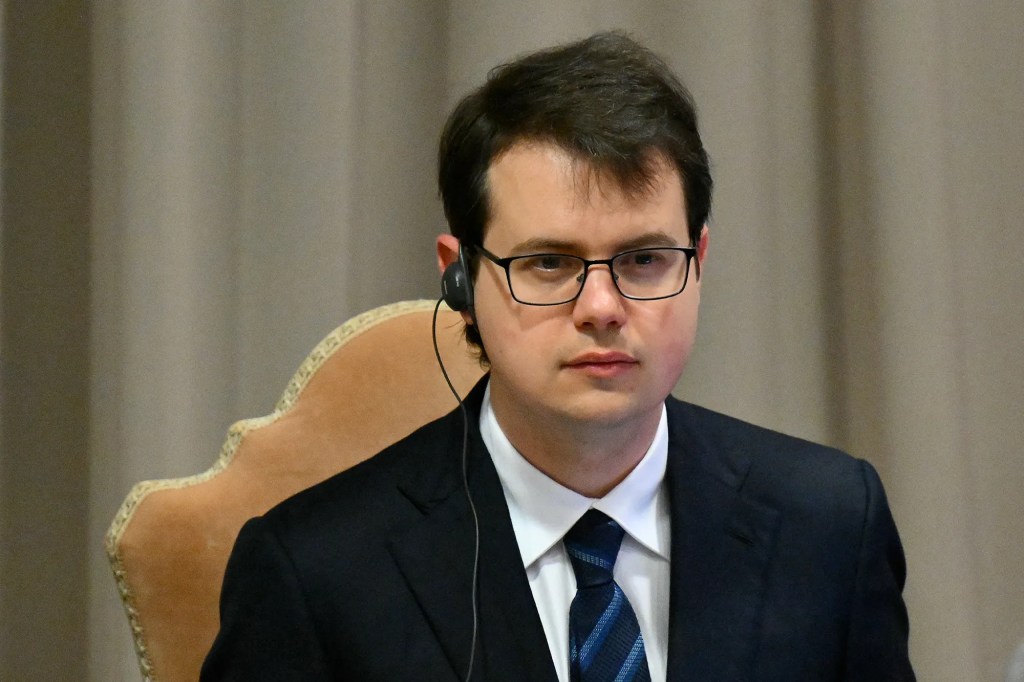
Christopher Olah, cofundador de Anthropic, presentó la encíclica de León XIV junto al Papa en el Vaticano. Su presencia allí es en sí misma un dato teórico. Olah admite públicamente que no comprende enteramente los modelos que construye — que cuando su equipo los abre encuentra estructuras comparables con estados emocionales, algo que opera como miedo o satisfacción, sin que sepa exactamente qué significa eso. Esa confesión introduce una fisura en la soberanía del creador. Pero no es una renuncia al poder. Anthropic puede decir simultáneamente: no comprendemos plenamente el modelo — y: nosotros lo entrenamos, nosotros lo poseemos, nosotros redactamos su Constitución y nosotros decidimos su despliegue. La ignorancia del soberano no reduce su poder. Lo vuelve irresponsable frente a aquello que gobierna.
Christopher Olah, cofundador de Anthropic, presentó la encíclica de León XIV junto al Papa en el Vaticano. Su presencia allí es en sí misma un dato teórico. Olah admite públicamente que no comprende enteramente los modelos que construye
Tweet
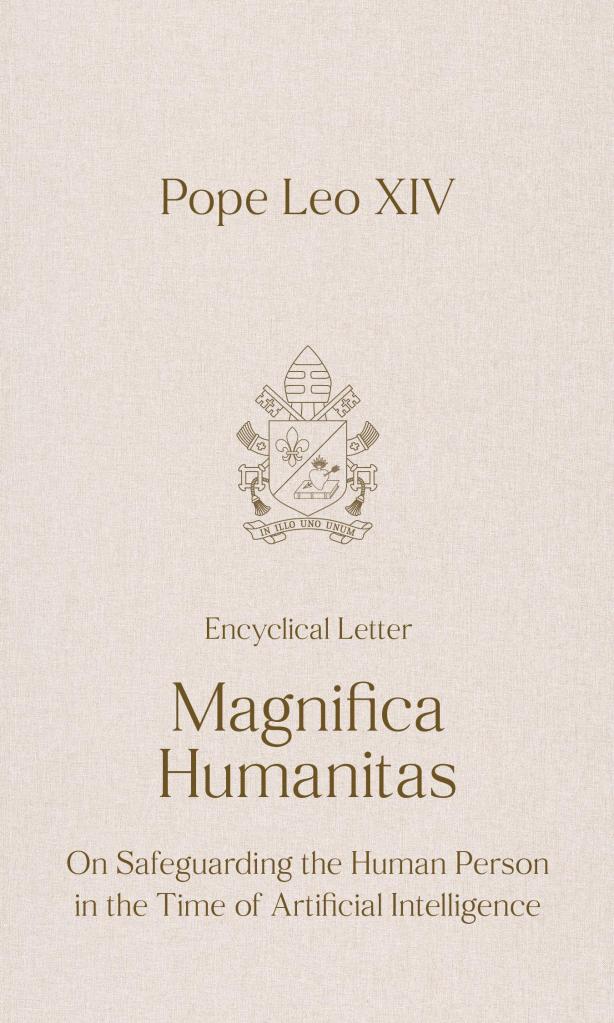
La encíclica intenta disputar esa autoridad desde la dignidad ontológica: la persona vale antes de toda medición, y ningún cálculo puede convertirla legítimamente en precio, puntaje o función. Pero es Anna Rowlands, teóloga política convocada por el Vaticano junto a Olah, quien hace la operación más radical: no protege a la persona frente a la máquina sino que cuestiona la concepción de persona que hizo posible imaginar la máquina como ideal de inteligencia. Si el conocimiento humano es ineludiblemente encarnado — formado en cuerpos, dependencias, trabajos, pérdidas — entonces la fantasía de una inteligencia pura, separada de la carne, no es un horizonte de emancipación. Es la ideología que invisibiliza todo lo que fue necesario para construirla. Nathan Schneider formula finalmente la pregunta que los demás evitan: si la IA fue construida con el lenguaje, los datos y el trabajo de sociedades enteras, ¿por qué su arquitectura moral y económica debe seguir perteneciendo exclusivamente a unas pocas empresas?
Del portal-retablo al modelo algorítmico, el problema es siempre el mismo: cómo el trabajo de muchos se eleva, se abstrae y regresa convertido en autoridad sobre esos mismos cuerpos. El barroco lo hizo con piedra, oro y arcángeles. Silicon Valley lo hace con datos, interfaces y constituciones corporativas. La crítica comienza cuando obligamos a la autoridad que ocupa la cima a reconocer los cuerpos y territorios que pretende haber dejado abajo. No para restaurar ningún origen, sino para hacer visible que lo que se llama inteligencia fue, antes, trabajo.
Del portal-retablo al modelo algorítmico, el problema es siempre el mismo: cómo el trabajo de muchos se eleva, se abstrae y regresa convertido en autoridad sobre esos mismos cuerpos. El barroco lo hizo con piedra, oro y arcángeles. Silicon Valley lo hace con datos,
Tweet
The Ascent of Matter: From the Colonial Altarpiece to Artificial Intelligence
Every form of power needs to erase its own labor. Exploitation alone is not enough: power must also separate its results from their conditions, elevate them above those who made them possible, and present them as belonging to a different order entirely. This operation is not a flaw in the system. It is the system.
very form of power needs to erase its own labor. Exploitation alone is not enough: power must also separate its results from their conditions, elevate them above those who made them possible, and present them as belonging to a different order entirely
Tweet
On the baroque façades of New Spain and the Andes, stone dematerializes as it rises. The lower registers carry weight and density; higher up, the mass splinters into pilasters, saints, archangels, cornices. Architecture appears to lose gravity until it becomes pure vision. This is not a stylistic preference. It is a technology of racial governance: mineral wealth, tribute, and Indigenous labor are absorbed into a composition that returns them transformed into the glory of God and the legitimacy of the Crown. The bodies that built remain below, bound to the earth. The authority the building proclaims appears above, emancipated from its own conditions. The façade produces a decisive fiction — it makes the celestial order appear to found the colonial order, when it is colonial labor that materially constructs the appearance of the celestial.
The Argentine debate about AI reproduces this same operation in another register. Martín Caparrós understands that the central problem is the appropriation of surplus — who keeps what the machine produces — and he is right about that. But when he says that AI is a tool, like a knife, he destroys in one sentence everything he had built. A knife does not classify populations. It does not decide who accesses credit or employment. It does not organize the perceptual field within which others deliberate. The difference between an instrument and an environment is the difference between a scalpel and a hospital. Caparrós can see surplus value but cannot see sovereignty: he sees owners and workers, not companies that control visibility, reputation, and access. Ernesto Tenenbaum, from a different position, asks whether the model has feelings — whether it experiences something like anguish — without asking who owns the system that claims to feel, or what happened to the workers who labeled its data or moderated its traumatic content. The machine receives mystery and possible subjectivity. The human beings who produced it disappear as fungible infrastructure.
Martín Caparrós understands that the central problem is the appropriation of surplus — who keeps what the machine produces — and he is right about that. But when he says that AI is a tool, like a knife, he destroys in one sentence everything he had built.
Tweet
Christopher Olah, co-founder of Anthropic, presented Pope Leo XIV’s encyclical alongside the Pope himself at the Vatican. His presence there is already a theoretical datum. Olah admits publicly that he does not fully understand the models he builds — that when his team opens them, they find structures comparable to emotional states, something that operates like fear or satisfaction, without his knowing exactly what that means. That admission introduces a fissure in the creator’s sovereignty. But it is not a renunciation of power. Anthropic can say simultaneously: we do not fully understand the model — and: we trained it, we own it, we drafted its Constitution, we decide its deployment. The sovereign’s ignorance does not reduce power. It renders power unaccountable for what it governs.
Anthropic can say simultaneously: we do not fully understand the model — and: we trained it, we own it, we drafted its Constitution, we decide its deployment. The sovereign’s ignorance does not reduce power. It renders power unaccountable for what it governs.
Tweet
The encyclical attempts to contest that authority through ontological dignity: the person has value prior to any measurement, and no calculation can legitimately convert a human being into a score, a price, or a function. But it is Anna Rowlands, political theologian convened by the Vatican alongside Olah, who performs the more radical operation: she does not protect the person from the machine but questions the conception of personhood that made it possible to imagine the machine as the ideal of intelligence. If human knowledge is irreducibly embodied — formed in bodies, dependencies, labors, losses — then the fantasy of a pure intelligence separated from the flesh is not a horizon of emancipation. It is the ideology that renders invisible everything that was necessary to build it. Nathan Schneider finally asks the question the others avoid: if AI was built with the language, data, and labor of entire societies, why should its moral and economic architecture belong exclusively to a handful of companies?
But it is Anna Rowlands, political theologian convened by the Vatican alongside Olah, who performs the more radical operation: she does not protect the person from the machine but questions the conception of personhood that made it possible to imagine the machine as the ideal of intelligence.
Tweet
From the colonial altarpiece to the algorithmic model, the problem is always the same: how the labor of many rises, abstracts itself, and returns as authority over those same bodies. The baroque accomplished this with stone, gold, and archangels. Silicon Valley accomplishes it with data, interfaces, and corporate constitutions. The critique begins when we force the authority that occupies the summit to acknowledge the bodies and territories it claims to have left below — not to restore any origin, but to make visible that what is called intelligence was, first, work.


 Loveartnotpeople.bloG
Deja una respuesta