
By Dr. Rodrigo Cañete

Luis Novaresio quiere insertarse en la gran genealogia de la literatura queer sin pagar el precio que todo queer ha y debe pagar. El precio de escribir desde cuerpos perseguidos, vidas expulsadas de la respetabilidad y lenguajes que ya no podían regresar intactos al orden social.
Tweet
Luis Novaresio quiere insertarse en la gran genealogia de la literatura queer sin pagar el precio que todo queer ha y debe pagar. El precio de escribir desde cuerpos perseguidos, vidas expulsadas de la respetabilidad y lenguajes que ya no podían regresar intactos al orden social. Pizarnik no pertenece a esa genealogía porque se haya suicidado, sino porque su escritura llevó la desintegración del yo, del deseo y del lenguaje hasta un punto del que no había retorno tranquilizador. Batato Barea no pertenece a ella porque haya muerto de SIDA, sino porque convirtió un cuerpo estigmatizado, precario y mortal en una impugnación viviente de las categorías de género, del teatro “oficial” y de la cultura burguesa. En ambos casos, lo queer no fue una temática, una escena sexual ni una credencial cultural: fue aquello que puso en riesgo la obra, el cuerpo y la posibilidad misma de seguir siendo socialmente legibles. Este no fue un riesgo que, necesariamente, corrieran pero el costo fue, como se sabe, muy alto porque en la Argentina la aceptabilidad funciona como una cinta en forma de Moebius donde el adentro y el afuera nunca están claramente donde deberian. Novaresio quiere ser heredero de esa tradición —con todo el prestigio, la oscuridad, y la libertad sexual que supone conllevar— sin permitir que nada de ella comprometa realmente su lugar de periodista respetable, propietario de su relato y administrador de su deseo.

Novaresio quiere el darkroom, el cuerpo anónimo, la droga, el esclavo, la penetración y la intimidad sin rostro. Pero no tolera que ninguna de esas experiencias desorganice realmente a los sujetos que las narra. Por eso las traduce, las hace aceptables con, lo que el entiende como ‘filosofía’. Todo por amor, pero no todo no es una novela peligrosa. Es una novela prudente disfrazada de audaz — y ese disfraz es exactamente su problema.
Novaresio quiere el darkroom, el cuerpo anónimo, la droga, el esclavo, la penetración y la intimidad sin rostro. Pero no tolera que ninguna de esas experiencias desorganice realmente a los sujetos que las narra. Por eso las traduce, las hace aceptables con, lo que el entiende como ‘filosofía’
Tweet
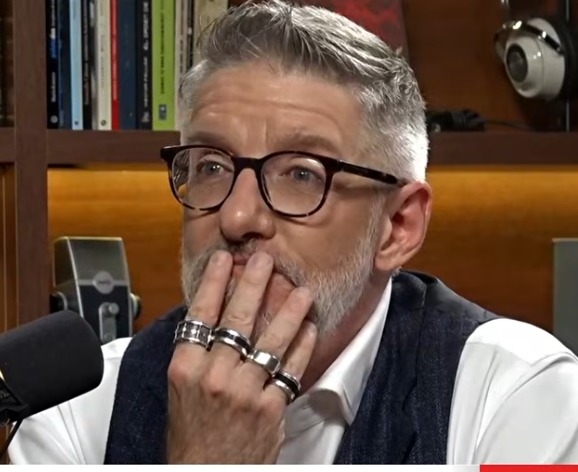
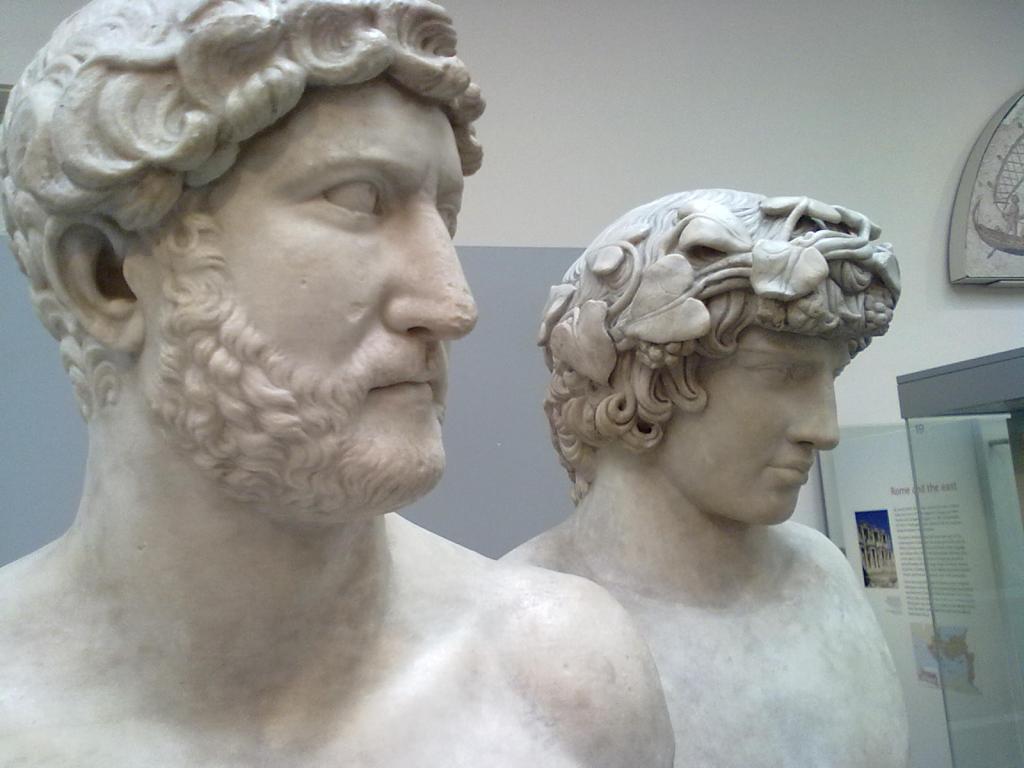
El dispositivo se repite en cada sección del libro. El Hércules Farnese en la tapa no abre el archivo clásico: lo usa como coartada de respetabilidad para que el deseo tenga mármol. Puede ser el Hercules con Caco en la Piazza della Segnoria lo que no cambia la lectura. El Club Gay/Cine Porno “Slave” no desciende al subsuelo gay: organiza una visita guiada con acompañamiento filosófico y salida de emergencia claramente señalizada. Ana no enfrenta una crisis existencial: compra una suspensión temporal del yo — sexo prêt-à-porter, filosofía lista para sentir, anonimato con ticket de entrada y horario de salida. La estructura de la novela no cede. Cada vez que la experiencia amenaza con desorganizar sus categorías, la narración retrocede y la traduce a una forma reconocible.
La operación tiene nombre histórico antes que psicológico. El neoliberalismo convirtió incluso la desestabilización en producto. La entrega puede presentarse como contrato; la servidumbre, como elección; el goce, como mandato; la crisis, como experiencia premium. Novaresio, sabiéndolo o no, escribió exactamente esa transformación: el sujeto que compra momentos de pérdida de control para continuar siendo propietario de sí mismo. “Uno” no nombra la desaparición de la identidad. Nombra una identidad que quiere representar lo universal sin renunciar a su posición de mando. El cuarto oscuro piensa. Un cuerpo tocado por alguien sin rostro piensa. La novela no confía en esa posibilidad, entonces agrega Nietzsche encima.
El neoliberalismo convirtió incluso la desestabilización en producto. La entrega puede presentarse como contrato; el goce, como mandato. En Novaresio, el sujeto que compra momentos de pérdida de control para continuar siendo propietario de sí mismo
Tweet

La frase más radical del libro la dice C, no Uno: “No me alcanzás, precioso. Necesito más.” No significa “quiero una persona mejor”. Significa que ningún cuerpo agota el deseo, ningún vínculo monopoliza el goce, ningún nosotros puede totalizar a un sujeto. Frente a esa imposibilidad de cierre, Uno responde con arquitectura: noviazgo, casa, pareja, familia. Donde aparece el no-todo del sexo, imagina un todo social. La novela dice “no todo por amor” pero su estructura sostiene lo contrario: todo aquello que no se ordena mediante el amor debe justificarse ante él. C debe comparecer como egoísta, narciso o drogadicto porque su negativa a ser contenido no puede quedarse como posición ética. Tiene que convertirse en defecto.
La presentación del libro completa el dispositivo. El ‘psicoanalista’ Gabriel Rolón no actúa como crítico: actúa como sacerdote secular. Su función es la absolución — declarar que los personajes son básicamente humanos, que sus patologías no los vuelven malos, que sus contradicciones merecen ser queridas. “Básicamente” es la palabra decisiva: presupone un núcleo intacto por debajo de los actos, una identidad buena que la compulsión nunca compromete realmente. Eso es exactamente lo que el psicoanálisis debería interrumpir. La industria no condena la homosexualidad de Novaresio. La publica, la humaniza, la serializa y la convierte en prueba de su propia apertura. La crueldad ya no reside en impedir que la diferencia aparezca. Consiste en permitir que aparezca siempre que aprenda a no interrumpir nada.
La presentación del libro completa el dispositivo. El ‘psicoanalista’ Gabriel Rolón no actúa como crítico: actúa como sacerdote secular. Su función es la absolución — declarar que los personajes ‘desviados’ son básicamente humanos, que sus patologías no los vuelven malos, y solo por eso, merecen ser queridos.
Tweet
Lo que finalmente narra Todo por amor, pero no todo no es la irrupción del deseo queer en la literatura comercial sino su educación correcta. El precio que Novaresio no paga sería este: dejar que el sexo piense sin tutores, que el cuerpo exista sin convertirse inmediatamente en tesis, que el extraño permanezca extraño, que la escena anónima no se transforme en alegoría del amor, que el goce desordene realmente la respetabilidad del sujeto que narra. La novela entra al cuarto oscuro pero necesita un aforismo que ni siquiera comprende. Es esa incomprensión, el gran dispositivo de control que este libro, supuestamente marginal, requiere para hacerse aceptable. El porno soft gay, en este libro, como las drogas son modos de experimentación que, rapidamente, son traducidos en, ensayos para la vida en estado de amor esencial, permanente y sin cambios. Jane Austen con olor a semen.
An Aspirational Jane Austenesque Gay Novel Presents the type of Queer that Can Survive Violent Mileism pursuing Love as Self Mortification
Luis Novaresio[1] wants to insert himself into the great genealogy of queer literature without paying the price that every queer person has paid, and must pay: the price of writing from persecuted bodies, lives expelled from respectability, and languages that could no longer return intact to the social order.
Lesbian Argentine poet, Alejandra Pizarnik does not belong to that genealogy because she took her own life, but because her writing carried the disintegration of the self, desire, and language to a point from which there could be no reassuring return. Clown Travesti Batato Barea does not belong to it because he died of AIDS, but because he transformed a stigmatized, precarious, and mortal body into a living challenge to the categories of gender, the “official” theatre establishment, and bourgeois culture.
In neither case was queerness merely a theme, a sexual scene, or a form of cultural accreditation. It was that which placed the work, the body, and the very possibility of remaining socially legible at risk. This was not necessarily a risk they knowingly chose to take, but the cost was, as we know, extremely high, because in Argentina acceptability operates like a Möbius strip, on which inside and outside are never clearly located where they are supposed to be.
Novaresio wants to inherit that tradition—with all the prestige, darkness, and sexual freedom it is presumed to carry—without allowing any part of it genuinely to compromise his position as a respectable journalist, the proprietor of his own narrative, and the administrator of his desire.
He wants the dark room, the anonymous body, the drug, the slave, the penetration, the faceless intimacy. But he cannot allow any of those experiences to genuinely disorganize the subject who narrates them. So he translates them, manages them, and ennobles them with philosophy. Todo por amor, pero no todo is not a dangerous novel. It is a cautious novel dressed as a bold one — and that disguise is precisely its problem.
The device repeats itself across every section of the book. The Farnese Hercules on the cover doesn’t open the classical archive: it uses it as a respectability alibi, so that desire may have marble. “Slave” doesn’t descend into the gay underground: it organizes a guided tour with philosophical accompaniment and a clearly marked emergency exit. Ana doesn’t face an existential crisis: she purchases a temporary suspension of the self — prêt-à-porter sex, philosophy ready-to-feel, anonymity with an entry ticket and a departure time. The novel’s structure never yields. Whenever experience threatens to disorganize its categories, the narration retreats and translates it into something recognizable.
The operation has a historical name before a psychological one. Neoliberalism converted even destabilization into a product. Surrender can be presented as contract; servitude, as choice; enjoyment, as mandate; crisis, as premium experience. Novaresio, knowingly or not, wrote exactly that transformation: a subject who purchases moments of loss of control in order to remain the owner of himself. “Uno” does not name the disappearance of identity. It names an identity that wants to represent the universal without relinquishing its position of command. The dark room thinks. A body touched by someone without a face thinks. The novel doesn’t trust that possibility, so it adds Nietzsche on top.
The most radical line in the book belongs to C, not Uno: “You’re not enough for me, darling. I need more.” It doesn’t mean “I want a better person.” It means that no body exhausts desire, no bond monopolizes enjoyment, no “us” can totalize a subject. Faced with that impossibility of closure, Uno responds with architecture: courtship, a house, a couple, a family. Where the not-all of sex appears, he imagines a social whole. The novel says “not everything for love” but its structure argues the opposite: everything that cannot be ordered through love must justify itself before love’s tribunal. C must appear as selfish, narcissistic, or drug-dependent because his refusal to be contained cannot remain an ethical position. It has to become a character flaw.
The book launch completes the device. The popular psychologist Gabriel Rolón who performs in the media as his friend, doesn’t act as a critic: he acts as a secular priest. His function is absolution — to declare that the characters are basically human, that their pathologies don’t make them bad, that their contradictions deserve to be loved. “Basically” is the decisive word: it presupposes an intact core beneath the acts, a good identity that compulsion never truly compromises. That is precisely what psychoanalysis should interrupt. The industry does not condemn Novaresio’s homosexuality. It publishes it, humanizes it, serializes it, and converts it into proof of its own openness. Cruelty no longer resides in preventing difference from appearing. It consists in allowing difference to appear, as long as it learns not to interrupt anything.
What Todo por amor, pero no todo finally narrates is not the eruption of queer desire into commercial literature but its correct education. The price Novaresio refuses to pay would be this: letting sex think without tutors, letting the body exist without immediately becoming a thesis, letting the stranger remain strange, letting the anonymous scene resist translation into a love allegory, letting enjoyment genuinely disorder the respectability of the subject who narrates. The novel enters the dark room but needs an aphorism it does not even understand. That incomprehension is the great apparatus of control the book—supposedly marginal—requires in order to make itself acceptable. In this novel, soft-core gay pornography and drugs serve as modes of experimentation that are rapidly translated into rehearsals for a life governed by an essential, permanent, and unchanging state of love. Jane Austen with the smell of semen.
[1] Luis Novaresio is one of Argentina’s best-known television and radio journalists, political commentators, and media personalities. Trained as a lawyer, he built his public career within the country’s mainstream broadcasting establishment, cultivating the image of an intellectually serious, institutionally minded liberal: articulate, culturally literate, openly gay, and broadly identified with the professional urban middle class. His significance lies not only in what he says, but in the social position from which he says it. Novaresio represents a form of respectable, media-integrated homosexuality that has been fully incorporated into Argentina’s cultural establishment. This makes his turn to fiction—and particularly to anonymous sex, BDSM, drugs, and queer desire—politically revealing: he approaches experiences historically associated with marginality from the protected position of an already legitimised public figure.





Deja una respuesta